
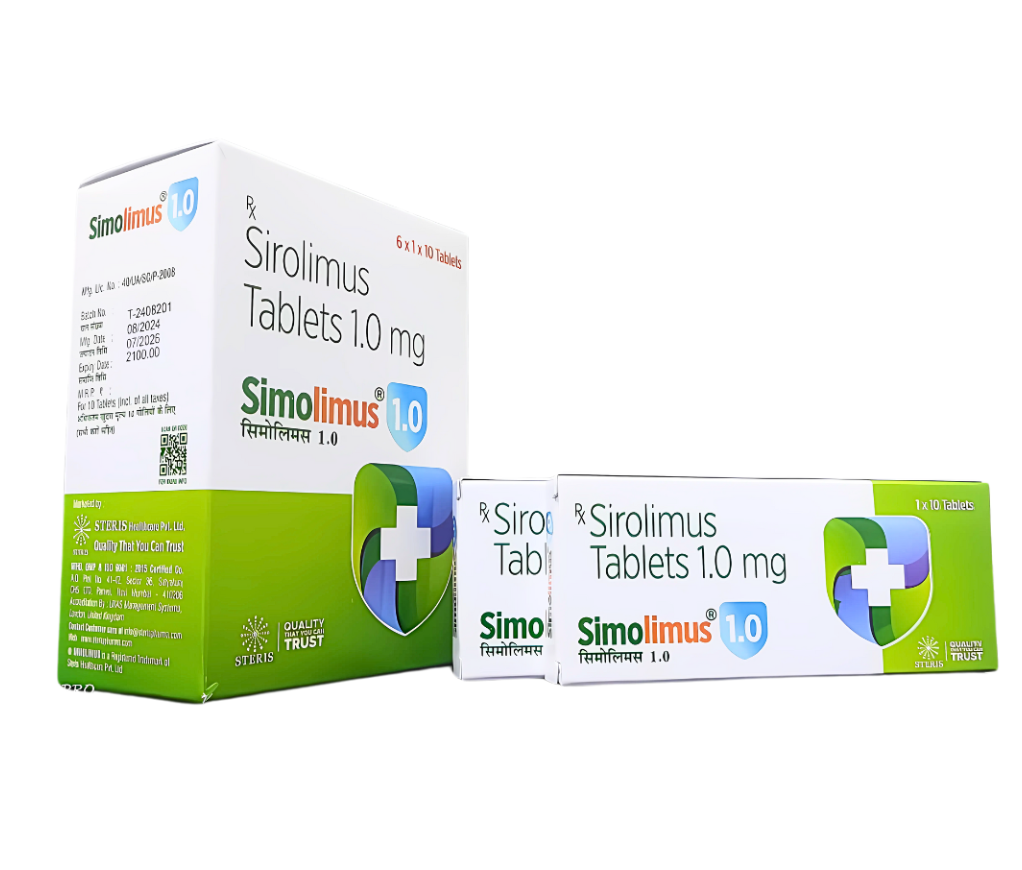
Sirolimus 1mg is an immunosuppressive medication widely used in organ transplantation and certain rare medical conditions. Marketed under the brand name SIMOLIMUS 1.0, this medicine contains Sirolimus 1mg as its active pharmaceutical ingredient. It works by suppressing the immune system to prevent organ rejection after kidney transplantation and is also used in various off-label therapeutic applications.
Patients and healthcare providers often search for terms such as sirolimus 1mg, sirolimus 1mg tablet, sirolimus 1mg tablet uses, tab sirolimus 1mg, sirolimus 1mg tablet price, sirolimus 1mg tab, sirolimus 1mg price in india, buy sirolimus 1mg online, sirolimus 1mg uses in hindi, Sirolimus 1mg dosage, and sirolimus 1mg benefits due to the increasing demand for advanced immunosuppressive therapy.
SIMOLIMUS 1.0 is prescribed only under medical supervision because it affects immune function and requires careful monitoring during treatment.
Mechanism of Action
Sirolimus belongs to the class of drugs known as mTOR inhibitors (mammalian target of rapamycin inhibitors). It suppresses the immune response by inhibiting T-lymphocyte activation and proliferation.
Unlike calcineurin inhibitors, Sirolimus blocks the response to interleukin-2 (IL-2), which is essential for immune cell growth. This action helps reduce the risk of organ rejection in transplant recipients.
How Sirolimus 1mg Works:
Inhibits T-cell and B-cell proliferation
Prevents immune-mediated organ rejection
Reduces abnormal cell growth
Exhibits antiproliferative and anti-inflammatory properties
Because of its unique mechanism, sirolimus 1mg tablet is often combined with other immunosuppressive medications for optimal therapeutic outcomes.
Uses and Indications
1. Prevention of Organ Rejection
The primary indication of Sirolimus 1mg is the prevention of kidney transplant rejection in adult patients.
2. Lymphangioleiomyomatosis (LAM)
Sirolimus is also used in patients with rare lung diseases such as lymphangioleiomyomatosis.
3. Certain Rare Tumors and Disorders
Doctors may prescribe tab sirolimus 1mg for:
Tuberous sclerosis complex
Angiofibromas
Certain vascular abnormalities
Rare autoimmune conditions
4. Off-Label Uses
In some clinical settings, sirolimus 1mg tablet uses may extend to:
Autoimmune disorders
Cancer-related therapies
Drug-eluting stent technology
5. Dermatological and Research Applications
Research continues regarding sirolimus 1mg benefits in anti-aging therapies and skin-related conditions.
Efficacy and Clinical Evidence
Clinical studies have demonstrated that Sirolimus effectively reduces the incidence of acute organ rejection after kidney transplantation.
Key Clinical Findings:
Improved graft survival rates
Reduced risk of chronic transplant rejection
Lower nephrotoxicity compared to calcineurin inhibitors
Effective long-term immunosuppression
Studies also support the efficacy of sirolimus 1mg tab in patients who cannot tolerate traditional immunosuppressive therapies.
Additionally, evidence suggests that Sirolimus may help reduce abnormal cellular proliferation, making it useful in certain rare disease conditions.
Side Effects and Safety Profile
Like all immunosuppressive medicines, Sirolimus 1mg can cause side effects ranging from mild to severe.
Common Side Effects
Headache
Nausea
Diarrhea
Fever
Acne
Mouth ulcers
Joint pain
Swelling of legs
Serious Side Effects
Increased risk of infections
Delayed wound healing
Lung toxicity
High cholesterol and triglycerides
Reduced blood cell counts
Kidney dysfunction
Liver abnormalities
Because sirolimus 1mg tablet suppresses immunity, patients should undergo regular blood monitoring during treatment.
Contraindications and Precautions
Contraindications
SIMOLIMUS 1.0 should not be used in:
Patients allergic to Sirolimus
Individuals with severe uncontrolled infections
Patients with severe liver impairment unless supervised
Precautions
Before starting Sirolimus 1mg dosage, inform the doctor if you have:
Liver disease
Kidney problems
High cholesterol
Diabetes
Active infections
History of cancer
Pregnancy and Breastfeeding
Use during pregnancy only if clearly needed
Breastfeeding is generally not recommended during therapy
Monitoring Requirements
Patients using sirolimus 1mg tablet uses for long durations require:
Blood level monitoring
Kidney and liver function tests
Lipid profile assessment
Complete blood count evaluation
Drug Interactions
Sirolimus interacts with many medications due to its metabolism through the CYP3A4 enzyme system.
Major Drug Interactions
Drugs That Increase Sirolimus Levels
Ketoconazole
Clarithromycin
Erythromycin
Ritonavir
Drugs That Decrease Sirolimus Levels
Rifampicin
Carbamazepine
Phenytoin
St. John’s Wort
Food Interaction
Grapefruit and grapefruit juice may significantly alter the absorption of sirolimus 1mg tab and should be avoided.
Vaccine Precautions
Live vaccines should generally be avoided during treatment because immune suppression may increase infection risk.
Warnings and Regulatory Status
Important Warnings
Increased susceptibility to infections
Possible risk of malignancy
Delayed wound healing
Potential lung complications
Elevated cholesterol levels
Regulatory Status
Sirolimus is approved internationally for transplant-related indications and other specific conditions. In India, sirolimus 1mg price in india may vary depending on manufacturer, availability, and pharmacy location.
Patients should purchase the medication only from licensed pharmacies or trusted healthcare providers when looking to buy sirolimus 1mg online.
Patient Advice and Tips
How to Take SIMOLIMUS 1.0
Take exactly as prescribed
Swallow the tablet whole with water
Maintain consistent timing daily
Take with or without food, but consistently
Important Tips
Avoid missing doses
Do not stop medication suddenly
Avoid close contact with infected individuals
Maintain good hygiene practices
Attend regular follow-up appointments
Storage Instructions
Store the medicine:
At room temperature
Away from moisture and sunlight
Out of reach of children
Patients frequently searching for sirolimus 1mg uses in hindi should always consult qualified healthcare professionals for proper guidance regarding dosage and administration.
Availability
SIMOLIMUS 1.0 containing Sirolimus 1mg is available in tablet form through specialty pharmacies and authorized medical distributors.
People often search online for:
sirolimus 1mg tablet price
sirolimus 1mg price
sirolimus 1mg price in india
buy sirolimus 1mg online
Availability may vary depending on prescription requirements and regional pharmaceutical regulations.
Frequently Asked Questions (FAQs)
1. What is Sirolimus 1mg used for?
Sirolimus 1mg is mainly used to prevent organ rejection after kidney transplantation and for certain rare medical conditions.
2. Can I take Sirolimus 1mg without a doctor’s prescription?
No. Sirolimus 1mg tablet should only be used under strict medical supervision because it suppresses the immune system.
3. What are the common side effects of Sirolimus 1mg?
Common side effects include mouth ulcers, headache, nausea, swelling, diarrhea, and increased infection risk.
4. What should I avoid while taking Sirolimus?
Avoid grapefruit juice, live vaccines, and exposure to infections while taking tab sirolimus 1mg.
5. Is long-term use of Sirolimus safe?
Long-term use can be effective but requires regular monitoring for infections, cholesterol levels, kidney function, and blood counts.
Conclusion
SIMOLIMUS 1.0 containing Sirolimus 1mg is an advanced immunosuppressive medicine used primarily in transplant medicine and certain rare disorders. Its targeted mechanism of action helps reduce organ rejection while offering additional therapeutic benefits in specialized conditions.
Although highly effective, sirolimus 1mg tablet uses require careful medical supervision due to possible side effects and drug interactions. Regular monitoring, adherence to prescribed dosage, and timely follow-up are essential for safe and successful treatment outcomes.
Patients considering buy sirolimus 1mg online or seeking information regarding Sirolimus 1mg dosage, sirolimus 1mg benefits, or sirolimus 1mg price in india should always consult a qualified healthcare provider before starting therapy.