
Introduction
High blood pressure is one of the leading risk factors for cardiovascular diseases worldwide. When left uncontrolled, hypertension can damage blood vessels and vital organs, increasing the risk of heart attack, stroke, kidney disease, and heart failure. Effective blood pressure management is essential for maintaining long-term cardiovascular health and overall well-being.
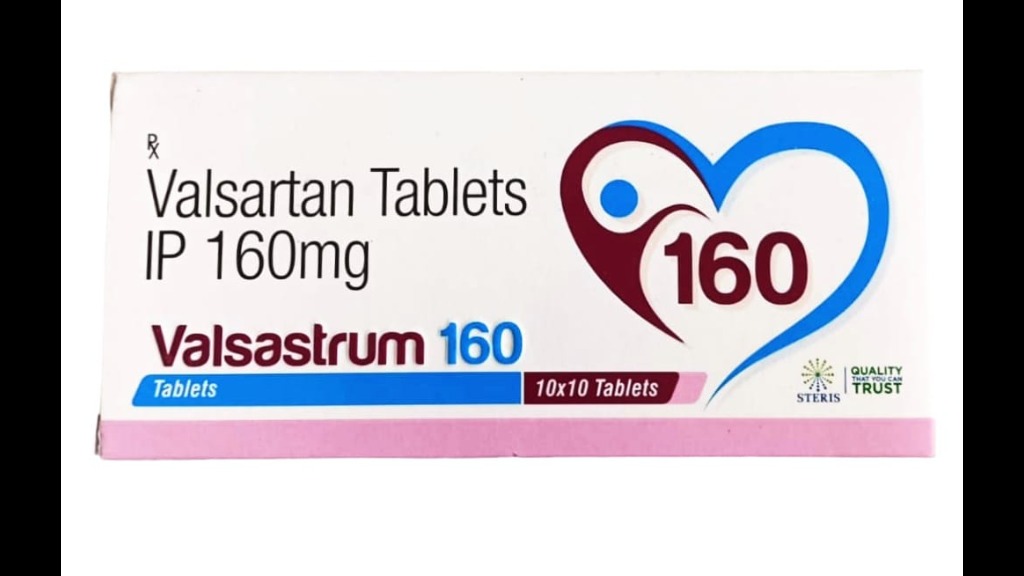
VALSASTRUM 160 contains Valsartan 160 mg, a widely prescribed antihypertensive medication used to manage high blood pressure and various cardiovascular conditions. Valsartan belongs to a class of medicines known as Angiotensin II Receptor Blockers (ARBs). It works by blocking the action of angiotensin II, a hormone that causes blood vessels to constrict. As a result, blood vessels relax and widen, allowing blood to flow more easily and reducing blood pressure.
Beyond controlling hypertension, Valsartan is also used in patients with heart failure and those recovering from heart attacks. By reducing the workload on the heart and improving circulation, it helps protect the cardiovascular system and supports long-term heart health.
VALSASTRUM 160 is often prescribed for patients who require stronger blood pressure control or who do not tolerate ACE inhibitors well. Its once-daily dosing and proven cardiovascular benefits make it a preferred treatment option for many healthcare professionals.
When combined with lifestyle modifications such as a balanced diet, regular exercise, reduced salt intake, and smoking cessation, VALSASTRUM 160 can significantly improve blood pressure control and reduce the risk of serious cardiovascular complications.
Uses of valsartan 160 mg
1. Treatment of Hypertension (High Blood Pressure)
The primary use of VALSASTRUM 160 is to lower and maintain healthy blood pressure levels.
2. Heart Failure Management
Valsartan helps improve heart function and reduce symptoms in patients suffering from heart failure.
3. Post-Heart Attack Treatment
Doctors often prescribe Valsartan after a heart attack to improve survival rates and prevent future cardiovascular events.
4. Cardiovascular Risk Reduction
Effective blood pressure management helps lower the risk of stroke, heart attack, and vascular complications.
5. Protection of Vital Organs
By controlling blood pressure, Valsartan helps protect the kidneys, heart, and blood vessels from long-term damage.
6. Long-Term Hypertension Control
Suitable for patients requiring ongoing blood pressure management and cardiovascular protection.
Benefits of valsartan 160 mg
Effective Blood Pressure Reduction
Valsartan helps lower elevated blood pressure and maintain stable blood pressure levels throughout the day.
Supports Heart Health
The medication reduces the workload on the heart, allowing it to function more efficiently.
Reduces Risk of Stroke and Heart Attack
Maintaining healthy blood pressure significantly decreases the likelihood of major cardiovascular events.
Improves Blood Vessel Function
By relaxing blood vessels, Valsartan promotes healthy circulation and vascular function.
Beneficial for Heart Failure Patients
It helps reduce symptoms and improve quality of life in patients with chronic heart failure.
Once-Daily Convenience
VALSASTRUM 160 is typically taken once daily, improving patient adherence to treatment.
Kidney Protection
Blood pressure control helps reduce kidney damage associated with hypertension and certain chronic conditions.
Long-Term Cardiovascular Protection
Continuous treatment provides ongoing support for heart and vascular health.
Dosage of valsartan 160 mg
The dosage of VALSASTRUM 160 should always be determined by a qualified healthcare professional based on the patient's medical condition and treatment goals.
General Dosage Guidelines
Usually taken once daily.
Can be taken with or without food.
Swallow the tablet whole with water.
Take it at the same time each day for consistent blood pressure control.
Missed Dose
If you miss a dose:
Take it as soon as you remember.
If it is nearly time for your next dose, skip the missed dose.
Do not double the dose to make up for a missed one.
Important Instructions
Continue taking the medication even if you feel well.
High blood pressure often has no symptoms.
Do not discontinue treatment without consulting your healthcare provider.
Regular blood pressure monitoring is recommended.
Side Effects
Like all medications, VALSASTRUM 160 may cause side effects, although many patients tolerate it well.
Common Side Effects
Dizziness
Headache
Fatigue
Low blood pressure
Mild nausea
Less Common Side Effects
Back pain
Muscle aches
Sleep disturbances
Increased potassium levels
Rare but Serious Side Effects
Severe allergic reactions
Significant kidney function changes
Excessively low blood pressure
Irregular heartbeat due to elevated potassium levels
Patients should seek immediate medical attention if they experience serious symptoms or signs of allergic reactions.
Precautions and Warnings
Pregnancy
Valsartan should not be used during pregnancy because it may harm the unborn baby.
Breastfeeding
Consult your doctor before using VALSASTRUM 160 while breastfeeding.
Kidney Disease
Patients with kidney impairment should use this medication under medical supervision and may require regular monitoring.
Liver Disorders
Dose adjustments may be necessary for patients with liver disease.
Dehydration
Conditions causing dehydration, such as excessive sweating, vomiting, or diarrhea, may increase the risk of low blood pressure.
High Potassium Levels
Valsartan may increase potassium levels in the blood. Potassium supplements should only be taken if prescribed.
Drug Interactions
Inform your healthcare provider if you are taking:
Diuretics
Other blood pressure medications
Potassium supplements
NSAIDs
Heart medications
Alcohol Consumption
Alcohol may enhance the blood pressure-lowering effect and increase dizziness.
Driving and Machinery
Some patients may experience dizziness, especially during the initial phase of treatment. Exercise caution when driving or operating machinery.
Regular Monitoring
Routine monitoring of blood pressure, kidney function, and electrolyte levels is often recommended.
Conclusion
VALSASTRUM 160 Valsartan 160 mg is an effective and trusted antihypertensive medication designed to provide long-term blood pressure control and cardiovascular protection. By relaxing blood vessels and improving blood flow, it helps reduce hypertension, lower cardiovascular risks, and support overall heart health.
Its benefits extend beyond blood pressure management, making it valuable for patients with heart failure and those recovering from heart attacks. The convenience of once-daily dosing further enhances treatment adherence and long-term success.
For the best outcomes, VALSASTRUM 160 should be used alongside healthy lifestyle habits such as maintaining a balanced diet, limiting sodium intake, engaging in regular physical activity, avoiding tobacco, and attending routine medical check-ups.
Always follow your healthcare provider's guidance and never alter your dosage without professional medical advice.
High-Ranking FAQs (Google Search & Voice Search Optimized)
What is VALSASTRUM 160 used for?
VALSASTRUM 160 is used to treat high blood pressure, heart failure, and reduce cardiovascular risks after a heart attack.
How does Valsartan 160 mg work?
Valsartan blocks angiotensin II receptors, helping blood vessels relax and reducing blood pressure.
Can I take VALSASTRUM 160 every day?
Yes, it is generally prescribed as a once-daily medication for long-term blood pressure management.
What are the common side effects of Valsartan 160 mg?
Common side effects include dizziness, headache, fatigue, and mild nausea.
Is Valsartan 160 mg good for heart patients?
Yes, it is widely used in patients with hypertension, heart failure, and post-heart attack recovery.
Can VALSASTRUM 160 protect the kidneys?
By controlling blood pressure effectively, it may help protect kidney function from hypertension-related damage.
What is the best time to take Valsartan 160 mg?
It can be taken in the morning or evening, preferably at the same time every day.
Can Valsartan 160 mg be taken with food?
Yes, it can be taken with or without food.
How long does it take for Valsartan 160 mg to work?
Blood pressure reduction may begin within hours, while maximum benefits may develop over several weeks.
Can I stop taking VALSASTRUM 160 if my blood pressure becomes normal?
No. Continue taking the medication unless advised otherwise by your healthcare provider.
High-Ranking English Search Queries (Voice Search & GEO SEO)
What is Valsartan 160 mg used for?
VALSASTRUM 160 tablet uses and benefits
How does Valsartan 160 mg lower blood pressure?
Is Valsartan 160 mg good for hypertension?
What are the side effects of VALSASTRUM 160?
Can Valsartan prevent heart attacks and strokes?
Best medicine for high blood pressure control
Valsartan 160 mg dosage and precautions
Is Valsartan safe for long-term use?
Can heart failure patients take Valsartan 160 mg?
What is the best time to take Valsartan?
Can Valsartan be taken with food?
Valsartan 160 mg benefits for heart health
How effective is Valsartan for hypertension?
Valsartan 160 mg complete patient guide
High blood pressure treatment with Valsartan
Valsartan heart protection benefits
Blood pressure medicine for cardiovascular health
Valsartan 160 mg uses and side effects
How to manage hypertension with VALSASTRUM 160