
Introduction
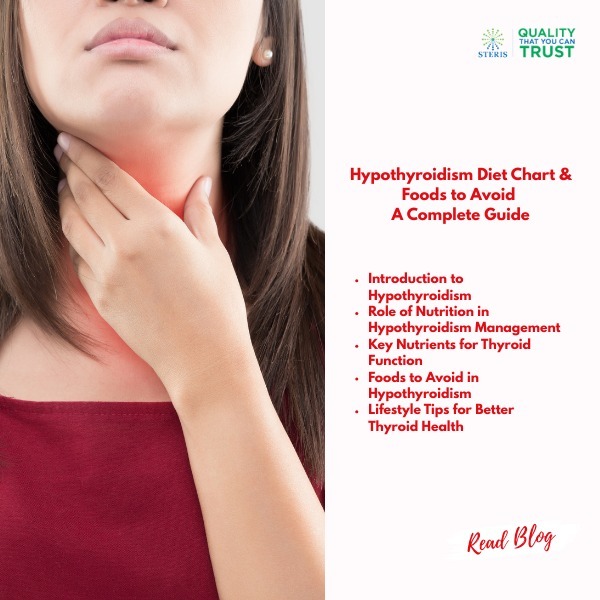
Hypothyroidism is a common condition where the thyroid gland doesn’t produce enough thyroid hormones. These hormones are essential for metabolism, energy production, and the overall function of the body. While medication like levothyroxine is the primary treatment, diet also plays a crucial role in managing symptoms and supporting thyroid health.
Understanding Hypothyroidism
The thyroid gland, located in your neck, regulates your body’s metabolism through the release of hormones like T3 (triiodothyronine) and T4 (thyroxine). When your body doesn’t produce enough of these hormones, it leads to hypothyroidism.
Common Symptoms Include:
Fatigue
Weight gain
Cold intolerance
Depression
Hair thinning
Constipation
Menstrual irregularities
The most common cause of hypothyroidism is Hashimoto’s thyroiditis, an autoimmune disorder where the immune system attacks the thyroid.
Why Diet Matters in Hypothyroidism
While medications help balance hormone levels, nutritional support is vital to:
Promote better metabolism
Prevent weight gain
Reduce inflammation
Support gut health
Enhance energy levels
Some nutrients help the thyroid function better, while others may interfere with hormone production or absorption.
Essential Nutrients for Thyroid Health
Nutrient | Importance | Food Sources |
Iodine | Key for thyroid hormone production | Iodized salt, seaweed, dairy |
Selenium | Protects the thyroid from damage | Brazil nuts, sunflower seeds, tuna |
Zinc | Helps convert T4 into active T3 | Pumpkin seeds, shellfish, chickpeas |
Iron | Supports thyroid enzyme activity | Spinach, red meat, lentils |
Vitamin D | Regulates immune system | Fatty fish, eggs, sun exposure |
Omega-3 Fatty Acids | Reduces inflammation | Flaxseed, walnuts, salmon |
Hypothyroidism Diet Chart (Sample)
Morning (Empty Stomach)
Take thyroid medication with a full glass of water (wait 30-60 minutes before eating)
Breakfast
Oatmeal with chia seeds and almond milk
1 boiled egg
Herbal tea or lemon water
Mid-Morning Snack
Handful of walnuts or Brazil nuts (selenium-rich)
1 apple or banana
Lunch
Grilled chicken or tofu
Quinoa or brown rice
Steamed greens (spinach, kale)
Fresh salad with olive oil dressing
Evening Snack
Greek yogurt (calcium-rich but should be eaten hours after medication)
A few pumpkin seeds
Dinner
Baked salmon or lentil curry
Sweet potato (rich in fiber)
Mixed vegetables (zucchini, carrots, green beans)
Before Bed
Warm chamomile tea
Optional: turmeric milk (for inflammation)
Foods to Avoid in Hypothyroidism
1. Goitrogenic Foods (in excess)
These interfere with iodine uptake by the thyroid:
Raw cruciferous vegetables (cabbage, broccoli, cauliflower)
Soy and soy-based products
Millet
2. Gluten
People with autoimmune thyroid disease may also have gluten sensitivity or celiac disease.
Avoid wheat, rye, and barley unless medically cleared.
3. Processed Foods
Packaged snacks
Sugary cereals
Fast food
4. Excess Sugar and Refined Carbs
Pastries
White bread
Soda and sugary drinks
5. Caffeine (Excessive)
Too much caffeine can interfere with sleep and hormone regulation. If you drink coffee, have it at least an hour after medication.
Lifestyle Tips for Managing Hypothyroidism
Stick to a Routine: Take your medication at the same time each day.
Exercise Regularly: Even light activity boosts metabolism and energy.
Stay Hydrated: Water supports metabolism and digestion.
Manage Stress: Yoga and meditation can help balance hormones.
Regular Testing: Keep up with TSH, T3, and T4 tests.