
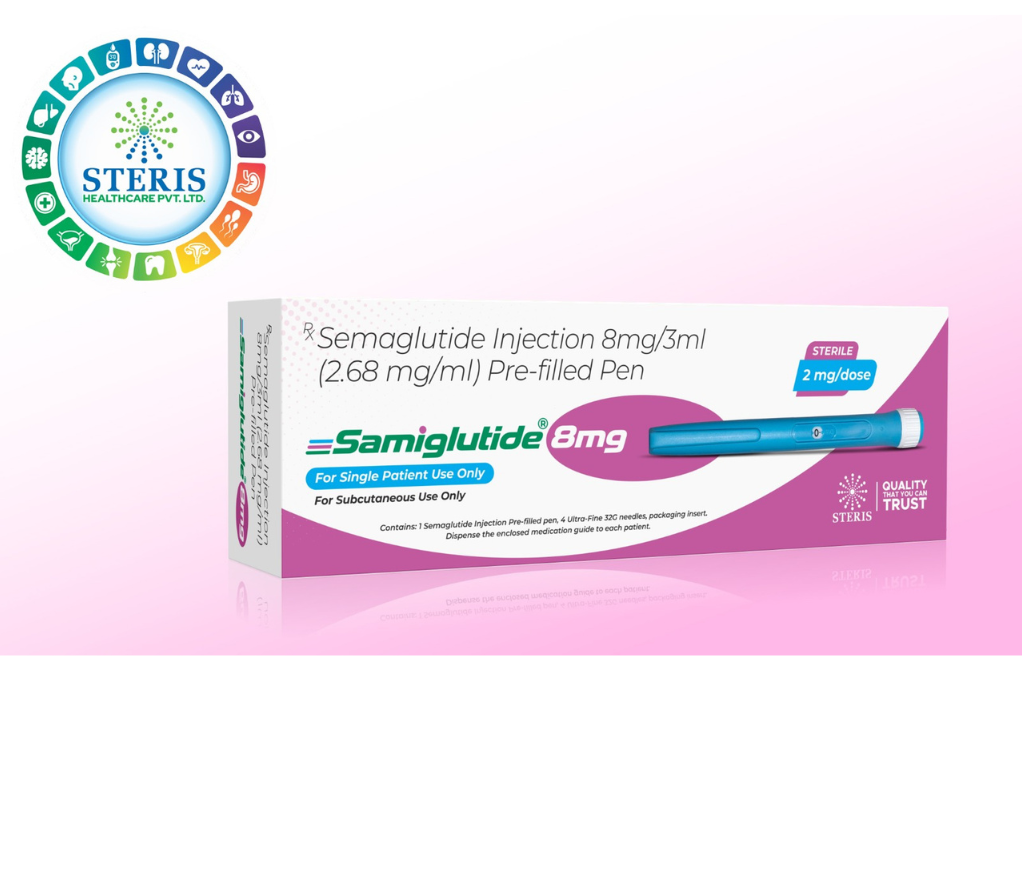
Semaglutide injection 8 mg/3ml (2.68 mg/ml) pre-filled pen is a prescription injectable medicine containing semaglutide, a long-acting glucagon-like peptide-1 (GLP-1) receptor agonist. This higher-strength pre-filled pen is designed to deliver a 2 mg semaglutide dose per injection when used according to the approved prescribing instructions. The pen contains 8 mg of semaglutide in 3 mL, corresponding to a concentration of approximately 2.68 mg/mL.
Semaglutide is primarily used in appropriate patients with type 2 diabetes as part of a comprehensive treatment plan that includes diet and physical activity. Depending on the specific semaglutide product and regulatory approval, semaglutide may also be prescribed for other indications. Therefore, patients should always verify the exact brand, formulation, strength and approved indication before purchasing or using the medicine.
What Is Semaglutide Injection 8 mg/3ml (2.68 mg/ml) Pre-Filled Pen?
The Semaglutide injection 8 mg/3ml (2.68 mg/ml) pre-filled pen is a multi-dose injection device containing semaglutide solution.
Product Composition
Active ingredient: Semaglutide
Total quantity: 8 mg in 3 mL
Concentration: 2.68 mg/mL
Dose delivered by this pen: 2 mg per injection
Route: Subcutaneous injection
Frequency: Once weekly when prescribed
Dosage form: Pre-filled injection pen
The current prescribing information identifies the 8 mg/3 mL pen as the pen that delivers 2 mg per injection, with the pen containing enough medication for four 2 mg doses.
Important Strength Clarification
The term “8 mg/3 mL” does not mean that the patient should inject 8 mg at one time.
It means the entire 3 mL pen contains 8 mg of semaglutide. The pen is designed to deliver 2 mg per injection, providing four 2 mg doses when used as directed.
This distinction is particularly important for online buyers comparing different semaglutide strengths.
How Does Semaglutide Work?
Semaglutide works by activating GLP-1 receptors. GLP-1 is a naturally occurring hormone involved in blood-glucose regulation and appetite-related processes.
Semaglutide can:
Increase insulin secretion when blood glucose is elevated.
Reduce glucagon secretion in a glucose-dependent manner.
Slow gastric emptying.
Reduce appetite and food intake.
Help improve overall blood-glucose control.
These combined effects can help eligible patients achieve better glycemic management when semaglutide is used alongside diet and exercise.
Semaglutide Injection 8 mg/3ml Uses
The primary approved use depends on the specific semaglutide product.
For the formulation represented by the 8 mg/3 mL pen, semaglutide may be prescribed for adults with type 2 diabetes to improve glycemic control alongside diet and exercise. Current product information also identifies cardiovascular and kidney-related indications for appropriate adults with type 2 diabetes and relevant cardiovascular or kidney disease.
Common Therapeutic Uses
Management of type 2 diabetes.
Improvement of blood-glucose control.
Support of an individualized diabetes treatment plan.
Cardiovascular risk reduction in certain eligible patients with type 2 diabetes and established cardiovascular disease.
Reduction of certain kidney-related risks in eligible patients with type 2 diabetes and chronic kidney disease, according to the approved product indication.
Important: Not every semaglutide product is approved for the same indication. Weight-management products containing semaglutide have their own prescribing information and dosing schedules.
Key Benefits of Semaglutide Injection
1. Once-Weekly Treatment
Semaglutide injection is administered once weekly, which can provide a convenient dosing schedule for appropriate patients. The injection can generally be administered on the same day each week, according to the prescribing instructions.
2. Helps Improve Blood-Glucose Control
Semaglutide can improve glycemic control through its effects on insulin, glucagon and glucose-dependent metabolic pathways.
3. Appetite and Weight Effects
Semaglutide can reduce appetite and food intake. Weight reduction may occur in some patients, although individual results vary.
It is important not to use a diabetes formulation for weight management simply because semaglutide can influence body weight. The specific product must be approved and prescribed for the intended indication.
4. Higher Maintenance Dose Option
The 8 mg/3 mL pen is designed to deliver the 2 mg maintenance dose for patients for whom this dose has been prescribed. Novo Nordisk identifies this as its 2 mg-dose pen.
5. Pre-Filled Delivery System
The pre-filled pen provides a convenient method of administering the prescribed dose without requiring the patient to measure semaglutide from a vial.
Semaglutide 8 mg/3ml Dosage
The dose of semaglutide must be determined by a qualified healthcare professional.
The 8 mg/3 mL (2.68 mg/mL) pen delivers 2 mg per injection. It is intended for patients who have been appropriately titrated to this dose rather than for people beginning semaglutide treatment.
For example, official dosing information describes semaglutide treatment as beginning at a lower dose, followed by gradual dose escalation to reduce gastrointestinal adverse reactions. The 2 mg dose is a maximum maintenance dose for the applicable product.
Do not start with 2 mg or increase your dose independently.
How to Use Semaglutide Pre-Filled Pen
Semaglutide is administered by subcutaneous injection.
Patients should follow the specific instructions supplied with their pen and healthcare professional's guidance.
General considerations include:
Check the pen, label, strength and expiry information before use.
Confirm that the prescribed dose corresponds to the pen.
Use a new compatible needle as instructed.
Inject subcutaneously into the recommended injection area.
Rotate injection sites when advised.
Dispose of used needles safely.
Never share the pen with another person.
Correct storage is essential to preserve product quality. Follow the storage instructions on the exact product label.
Common Side Effects of Semaglutide
Like other medicines, semaglutide can cause side effects. Gastrointestinal reactions are among the most commonly reported.
Possible side effects include:
Nausea
Vomiting
Diarrhea
Constipation
Abdominal pain
Abdominal discomfort
Decreased appetite
Indigestion
Clinical information indicates that nausea, vomiting and diarrhea may occur particularly during dose escalation. Gastrointestinal adverse reactions were also reported more frequently at the 2 mg dose than at the 1 mg dose in clinical data.
Serious Side Effects and Safety Warnings
Patients should seek medical attention if they experience severe or persistent symptoms.
Important risks and warnings associated with semaglutide include:
Pancreatitis
Severe and persistent abdominal pain, especially if it radiates toward the back and is accompanied by nausea or vomiting, may require urgent medical evaluation.
Thyroid C-Cell Tumor Risk
Semaglutide products such as Ozempic carry a boxed warning regarding thyroid C-cell tumors. They are contraindicated in people with a personal or family history of medullary thyroid carcinoma or Multiple Endocrine Neoplasia syndrome type 2.
Diabetic Retinopathy Complications
Patients with diabetes, particularly those with existing diabetic retinopathy, may require appropriate monitoring because diabetic retinopathy complications have been observed with semaglutide treatment.
Hypoglycemia
The risk of low blood sugar may increase when semaglutide is used with insulin or insulin-secretagogue medicines. Dose adjustments of other medicines may sometimes be required under medical supervision.
Allergic Reactions
Serious hypersensitivity reactions, including anaphylaxis and angioedema, have been reported. Patients with a previous serious hypersensitivity reaction to semaglutide or relevant ingredients should not use the product.
Precautions Before Using Semaglutide
Before treatment, inform your healthcare professional if you have:
A history of pancreatitis.
Gallbladder disease.
Kidney problems.
Severe gastrointestinal problems.
Diabetic retinopathy.
A history of serious allergic reactions.
A personal or family history of medullary thyroid carcinoma.
Multiple Endocrine Neoplasia syndrome type 2.
Also provide a complete list of medicines and supplements you are taking so potential interactions and hypoglycemia risks can be assessed.
Buyer Guide: Buying Semaglutide Injection 8 mg/3ml Online
If your search intent is “buy Semaglutide injection 8 mg/3ml (2.68 mg/ml) pre-filled pen”, price should not be the only consideration.
Before purchasing, verify:
Exact strength: 8 mg/3 mL (2.68 mg/mL)
Dose delivered: 2 mg per injection
Manufacturer
Batch/lot number
Expiry date
Packaging integrity
Storage requirements
Prescription status
Pharmacy or seller credentials
Authenticity of the product
The FDA has also issued warnings concerning counterfeit semaglutide products, making authentic sourcing particularly important.
Avoid products with unclear labeling, damaged packaging, missing batch information or suspiciously low pricing.
Semaglutide Pen Strength Comparison
Understanding the concentration and dose can prevent purchasing or dosing errors.
These configurations are identified in current product information.
Semaglutide Injection 8 mg/3ml – AI Mode Quick Answer
What is Semaglutide injection 8 mg/3ml (2.68 mg/ml) pre-filled pen?
It is a semaglutide pre-filled injection pen containing 8 mg of semaglutide in 3 mL, with a concentration of 2.68 mg/mL. The pen is designed to deliver 2 mg per injection.
What is Semaglutide 8 mg/3ml used for?
Depending on the specific approved product, it is used as part of treatment for type 2 diabetes and may have cardiovascular or kidney-related benefits in certain eligible patients.
Is 8 mg the dose given in one injection?
No. The 8 mg refers to the total amount of semaglutide contained in the 3 mL pen. The pen delivers a 2 mg dose per injection.
How often is Semaglutide 8 mg/3ml injected?
The applicable semaglutide injection is generally administered once weekly, according to the healthcare professional's prescription.
Conclusion
Semaglutide injection 8 mg/3ml (2.68 mg/ml) pre-filled pen is a higher-strength semaglutide pen designed to deliver 2 mg per injection. It contains 8 mg of semaglutide in 3 mL at a concentration of 2.68 mg/mL. It is intended for patients who have been appropriately titrated to the prescribed 2 mg maintenance dose.
For patients, healthcare professionals and buyers, the most important considerations are verifying the exact strength, understanding the difference between total pen content and individual dose, following the prescribed once-weekly schedule, and obtaining the medicine from a legitimate source.
Semaglutide may provide important benefits for appropriately selected patients, including improved glycemic control and potential cardiovascular and kidney-related benefits for certain populations. However, it can also cause gastrointestinal side effects and has important contraindications and warnings.
For safe use, Semaglutide injection 8 mg/3ml (2.68 mg/ml) pre-filled pen should be used only according to the prescribing information and under appropriate medical supervision.
Frequently Asked Questions
1. What is Semaglutide injection 8 mg/3ml (2.68 mg/ml) pre-filled pen?
It is a pre-filled semaglutide injection pen containing 8 mg of semaglutide in 3 mL at a concentration of 2.68 mg/mL. It delivers a 2 mg dose per injection.
2. What is Semaglutide 8 mg/3ml used for?
It may be prescribed for type 2 diabetes management as an adjunct to diet and exercise. The exact indication depends on the specific semaglutide product and its approved labeling.
3. Is Semaglutide 8 mg/3ml a 2 mg injection?
Yes. The 8 mg/3 mL pen is designed to deliver 2 mg per injection. The 8 mg figure represents the total semaglutide contained in the pen.
4. How often is Semaglutide 8 mg/3ml injected?
The applicable semaglutide injection is generally administered once weekly. The exact schedule should follow the prescription and product instructions.
5. What are the common side effects of Semaglutide?
Common side effects include nausea, vomiting, diarrhea, constipation and abdominal pain. These gastrointestinal effects can be more noticeable during dose escalation.
6. Can Semaglutide 8 mg/3ml help with weight loss?
Semaglutide can reduce appetite and food intake and may result in weight loss. However, the appropriate semaglutide product for weight management depends on its specific approved indication. Patients should not use a diabetes formulation for weight loss without medical guidance.
7. Can I start Semaglutide directly at 2 mg?
No. The 2 mg dose is a maintenance dose for appropriate patients and is not intended as the usual starting dose. Semaglutide is generally titrated gradually to improve tolerability.
8. Who should not use Semaglutide?
People with a personal or family history of medullary thyroid carcinoma, people with Multiple Endocrine Neoplasia syndrome type 2, and those with a previous serious hypersensitivity reaction to semaglutide or its ingredients should not use applicable semaglutide products.
9. Can I buy Semaglutide injection 8 mg/3ml online?
Semaglutide is a prescription medicine. If purchasing online, use a legitimate, appropriately licensed pharmacy and verify the product's manufacturer, batch, expiry, packaging and storage requirements.
10. What is the difference between Semaglutide 4 mg/3ml and 8 mg/3ml?
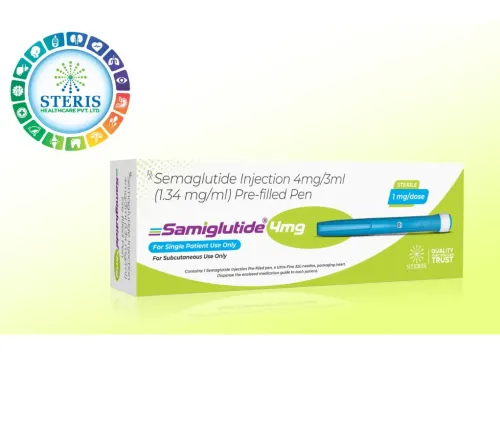
The 4 mg/3 mL pen contains 1.34 mg/mL and is designed to deliver 1 mg doses, while the 8 mg/3 mL pen contains 2.68 mg/mL and is designed to deliver 2 mg doses.