
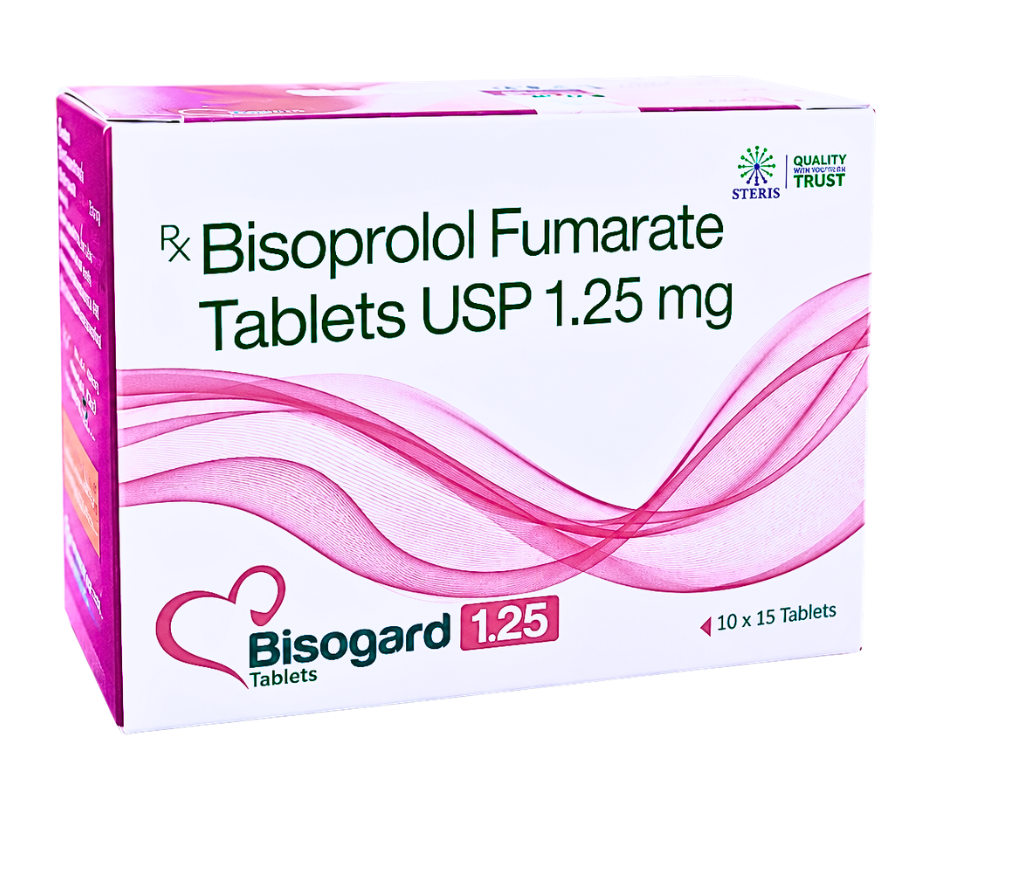
Bisogard 1.25 is a prescription medicine containing Bisoprolol 1.25 mg, a beta-blocker used to manage certain cardiovascular conditions. It is designed to help regulate heart rate, reduce the workload on the heart, and support blood pressure management when prescribed by a healthcare professional. The medicine may also be used as part of a comprehensive treatment plan for stable chronic heart failure, depending on the patient's clinical condition.
Bisoprolol belongs to a group of medicines known as beta-1 selective blockers. It works primarily by reducing the effects of stress hormones on the heart, helping the heart beat more slowly and efficiently. The 1.25 mg strength is a low-dose formulation that may be prescribed when initiating treatment or gradually adjusting the dose under medical supervision.
If you are looking for information about Bisogard 1.25 composition, uses, benefits, and safety, understanding its proper application is essential for informed and responsible medicine use.
Uses
Bisogard 1.25 may be prescribed for selected heart-related conditions based on a doctor's assessment. Its potential uses include:
Chronic heart failure: Bisoprolol may be included in a combination treatment plan for stable chronic heart failure to help reduce cardiac workload and support heart function.
High blood pressure: Bisoprolol can help lower elevated blood pressure when clinically appropriate.
Angina: It may help manage chest pain associated with reduced blood supply to the heart by decreasing the heart's oxygen demand.
Heart rate management: In selected patients, doctors may prescribe bisoprolol to help control an elevated heart rate.
The exact indication depends on the patient's diagnosis, medical history, and prescribed treatment plan. Bisogard 1.25 should not be used to self-treat chest pain or other potentially serious symptoms.
Benefits
When used according to medical advice, Bisogard 1.25 may offer several cardiovascular benefits.
1. Helps control blood pressure: Bisoprolol reduces the heart rate and the force of cardiac contractions, helping lower blood pressure in appropriate patients.
2. Reduces the heart's workload: By limiting the effects of certain stress hormones, it helps the heart work with less effort.
3. Supports heart failure management: For eligible patients with stable chronic heart failure, bisoprolol can form part of a prescribed treatment regimen designed to improve long-term disease management.
4. Helps manage heart rate: Its beta-blocking action can help control an excessively fast heartbeat in selected clinical situations.
5. Provides a low-dose treatment option: The 1.25 mg strength allows doctors to initiate treatment cautiously or adjust therapy gradually when appropriate.
Individual results vary, and benefits depend on the underlying condition, adherence to treatment, and regular medical monitoring.
Dosage
The dosage of Bisogard 1.25 must be determined by a qualified healthcare professional. The prescribed amount depends on the condition being treated, heart rate, blood pressure, other medicines, and individual tolerance.
When prescribed, the tablet is generally taken orally, often once daily, according to the doctor's instructions. Taking it at the same time each day may help maintain a consistent routine. Follow the directions on the prescription label and the product leaflet.
Do not increase, reduce, or discontinue the dose independently. If you miss a dose, follow your doctor's or pharmacist's advice; do not take a double dose to compensate. If you accidentally take more than prescribed, seek prompt medical advice.
Side Effects
Like other prescription medicines, Bisogard 1.25 may cause side effects, although not everyone experiences them. Commonly reported effects of bisoprolol include:
Dizziness or light-headedness
Tiredness or weakness
Slow heartbeat
Low blood pressure
Cold or numb hands and feet
Headache
Nausea, diarrhoea, or other digestive discomfort
Some effects may improve as the body adjusts to treatment. However, persistent or troublesome symptoms should be discussed with a healthcare professional.
Seek urgent medical attention for severe breathing difficulties, fainting, chest pain, significant swelling, or a sudden worsening of heart failure symptoms. Serious reactions require prompt assessment rather than self-treatment.
Precautions and Warnings
Before starting Bisogard 1.25, tell your doctor about your medical history, especially if you have asthma or other breathing problems, diabetes, a slow heartbeat, low blood pressure, circulation problems, or kidney or liver disease.
Inform your healthcare professional about all prescription medicines, over-the-counter products, and supplements you use. Certain heart medicines and other blood-pressure-lowering drugs may interact with bisoprolol. Beta-blockers can also mask some warning signs of low blood sugar, which is particularly important for people with diabetes.
Discuss treatment with your doctor if you are pregnant, planning pregnancy, or breastfeeding. Avoid alcohol if your clinician advises against it, as it may increase dizziness or low blood pressure.
Do not stop taking bisoprolol abruptly unless directed by a healthcare professional. Sudden discontinuation can worsen some heart conditions, so any dose reduction should be medically supervised.