
Introduction
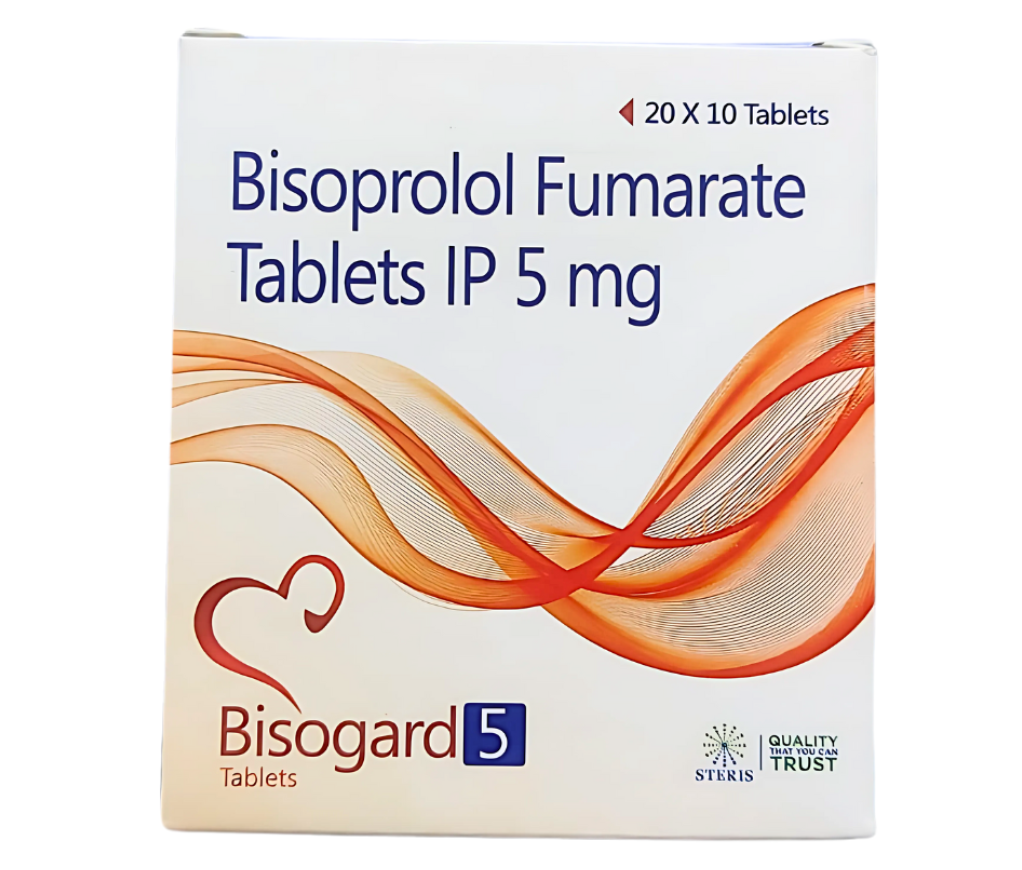
Bisoprolol 5 mg, available as BISOGARD 5, is a selective beta-1 adrenergic receptor blocker widely used in cardiovascular medicine. This medication effectively reduces heart rate and blood pressure, easing the workload of the heart, which makes it invaluable in managing conditions such as hypertension, angina, and heart failure.
Chemical Composition
Active Ingredient: Bisoprolol 5 mg
Mechanism of Action
Bisoprolol selectively and competitively blocks beta-1 adrenergic receptors (primarily in the heart and kidneys). By inhibiting catecholamine (adrenaline and noradrenaline) stimulation of these receptors, bisoprolol decreases heart rate, myocardial contractility, and cardiac output, thereby reducing oxygen demand and workload on the heart. Additionally, bisoprolol suppresses renin release from juxtaglomerular cells in the kidneys, which further helps lower blood pressure by inhibiting the renin-angiotensin system.
Its cardioselectivity limits beta-2 receptor blockade, minimizing respiratory and metabolic side effects commonly seen with nonselective beta blockers. This selective action provides a balanced therapeutic effect in cardiovascular diseases such as hypertension, angina pectoris, and chronic heart failure.
Uses and Indications
Bisoprolol uses encompass treatment of:
Hypertension (high blood pressure)
Chronic stable angina (to reduce chest pain frequency and severity)
Chronic heart failure with reduced ejection fraction (improving survival and symptoms)
Prevention of cardiovascular events post-myocardial infarction
Management of certain arrhythmias and tachycardias
Bisoprolol is often prescribed as part of combination therapy or as an adjunct when other medications are insufficient.
Efficacy and Clinical Evidence
Major clinical trials, including the CIBIS II study, have demonstrated that bisoprolol 5 mg significantly reduces mortality and hospitalization in patients with systolic heart failure. It reduces sudden cardiac death risk, improves functional class, and enhances quality of life. In hypertension, bisoprolol effectively lowers blood pressure with once-daily dosing due to its 10–12 hour half-life and high bioavailability (~90%).
The cardioselective property ensures fewer pulmonary side effects, making it suitable for patients with respiratory comorbidities. Its renal and hepatic clearance in almost equal proportions allows stable dosing without routine adjustment in mild-to-moderate organ impairment.
Side Effects and Safety Profile
Common bisoprolol side effects may include:
Fatigue and dizziness
Bradycardia (slow heart rate)
Cold extremities
Gastrointestinal disturbances (nausea, diarrhea)
Sleep disturbances and depression (less common)
Serious but rare adverse effects:
Worsening heart failure during initiation
Hypotension
Bronchospasm (rare due to beta-1 selectivity)
Masking symptoms of hypoglycemia in diabetic patients
Monitoring is essential during dose titration, especially in patients with pre-existing respiratory or cardiac conditions.
Contraindications and Precautions
Known hypersensitivity to bisoprolol or other beta blockers
Severe bradycardia (<50 beats per minute)
Sick sinus syndrome without pacemaker
Cardiogenic shock or acute heart failure requiring inotropes
Severe peripheral arterial disease
Untreated pheochromocytoma
Caution in patients with asthma, COPD, diabetes, or thyroid disorders
Drug Interactions
Other antihypertensives may potentiate blood pressure lowering effects.
Calcium channel blockers (verapamil, diltiazem) increase risk of bradycardia and heart block.
Antiarrhythmics and digoxin can enhance negative chronotropic effects.
Nonsteroidal anti-inflammatory drugs (NSAIDs) may reduce antihypertensive effects.
Insulin and oral hypoglycemic agents (masking hypoglycemia symptoms).
Always consult healthcare providers before combining medications.
Warnings and Regulatory Status
BISOGARD 5 is approved worldwide and included in essential medicine lists. Strict medical supervision is required during initiation and dose adjustments to avoid adverse cardiovascular effects. Abrupt discontinuation is contraindicated due to risk of rebound hypertension or angina exacerbation. In pregnancy, use only if benefits justify potential risks.
Patient Advice and Tips
Take bisoprolol 5 mg at the same time daily, preferably in the morning, with or without food.
Do not stop therapy abruptly; consult your doctor before any dose changes.
Regularly monitor heart rate and blood pressure.
Inform your doctor about any breathing difficulties or unusual fatigue.
Avoid grapefruit or grapefruit juice as it may affect drug metabolism.
Be cautious with alcohol and avoid abrupt posture changes to prevent dizziness.
Discuss all other medications and supplements with your healthcare provider.
Why Choose Steris Healthcare Pvt Ltd?
Steris Healthcare Pvt Ltd is a globally trusted pharmaceutical manufacturer known for:
Committing to stringent quality control and compliance with international standards.
Using innovative drug formulation processes for consistent efficacy.
Maintaining robust supply chains ensuring availability of essential medicines like BISOGARD 5.
Prioritizing patient safety through rigorous testing and monitoring.
Supporting healthcare professionals with reliable, well-documented products.
Choosing bisoprolol 5 mg from Steris Healthcare guarantees a product backed by quality and trust.
Availability
BISOGARD 5 is widely available at pharmacies and medical suppliers, including Steris Healthcare Pvt Ltd, known for ensuring quality, efficacy, and reliability in cardiovascular therapeutics.
Frequently Asked Questions
What foods should be avoided when taking bisoprolol?
Avoid grapefruit and grapefruit juice as it may alter bisoprolol metabolism. Limit alcohol consumption to reduce dizziness and hypotension risk.Can bisoprolol cause fatigue?
Yes, fatigue is a common side effect, especially during initial treatment stages.Is bisoprolol safe in asthma or COPD?
Use caution; bisoprolol is beta-1 selective but may still rarely precipitate bronchospasm.How long does it take for bisoprolol to work?
Blood pressure reduction and heart rate control typically begin within hours but full benefits may take several weeks.Can I stop bisoprolol suddenly?
No, abrupt discontinuation can cause rebound hypertension or angina exacerbation. Always taper under medical supervision.
Conclusion
Bisoprolol 5 mg (BISOGARD 5) is a clinically proven, cardioselective beta blocker essential in managing hypertension, angina, and heart failure. Its mechanism of selective beta-1 receptor blockade provides effective symptom control with a favorable safety profile. Proper adherence to prescribed dosing, awareness of side effects, and regular medical monitoring enhance patient outcomes. Available through Steris Healthcare Pvt Ltd, BISOGARD 5 ensures quality and therapeutic reliability for cardiovascular health.