
Introduction
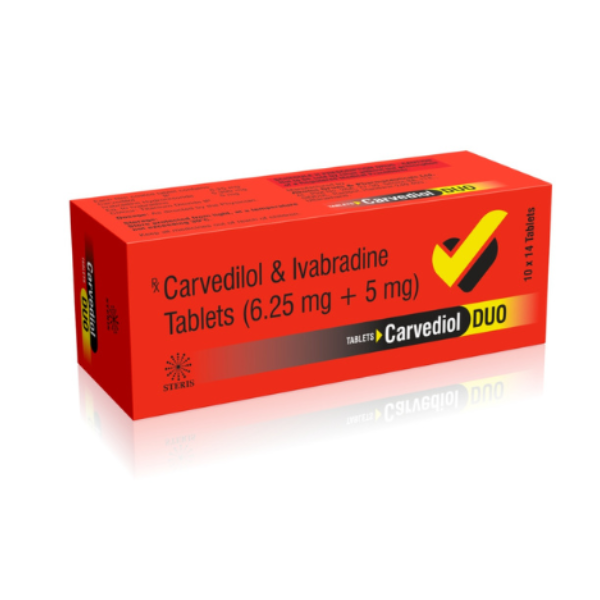
Carvedilol and ivabradine tablets combine two efficacious drugs, carvedilol 6.25 mg and ivabradine 5 mg, designed to work synergistically to improve heart function by reducing heart rate and lowering blood pressure. This combination is especially useful in managing conditions such as hypertension and chronic heart failure, providing enhanced benefits over monotherapy.
Mechanism of Action
Carvedilol: A non-selective beta-blocker with alpha-1 blocking properties, carvedilol relaxes blood vessels and slows the heart rate. It blocks beta-1, beta-2 adrenergic receptors and alpha-1 receptors, leading to decreased blood pressure and reduced cardiac workload, supporting improved heart function.
Ivabradine: Ivabradine selectively inhibits the funny current (If) in the sinoatrial node, lowering the heart rate without affecting myocardial contractility. This reduction in heart rate decreases the heart's oxygen demand and enhances cardiac efficiency.
Together, the drugs reduce heart rate and myocardial oxygen consumption, improving symptoms and outcomes in cardiovascular diseases.
Uses and Indications
Carvediol Duo (carvedilol and ivabradine tablets) is primarily indicated for:
Management of hypertension (high blood pressure)
Treatment of chronic heart failure to improve symptoms and reduce hospitalizations
Reducing risks of cardiovascular events such as heart attack and stroke
Individually, carvedilol 6.25 mg is used for hypertension and heart failure, while ivabradine 5 mg is specifically beneficial for patients with stable angina and heart failure with elevated heart rates.
Efficacy and Clinical Evidence
Clinical studies show that the combination of carvedilol and ivabradine improves left ventricular diastolic dysfunction, achieves target heart rates more effectively, and reduces complications such as encephalopathy and acute kidney injury compared to carvedilol alone. Patients who achieved target heart rates had significantly improved survival rates. Ivabradine enhances exercise tolerance and quality of life in heart failure patients, often outperforming carvedilol alone in controlling heart rate and symptoms.
Side Effects and Safety Profile
Common side effects include:
Fatigue, dizziness, and headache
Bradycardia (slow heart rate)
Visual disturbances, such as transient brightness or halos, particularly with ivabradine
Hypotension (low blood pressure)
Severe allergic reactions are rare but require immediate medical attention. Caution is advised as carvedilol may reduce lacrimal secretion causing dry eyes, and both drugs affect heart rate.
Contraindications and Precautions
Carvediol Duo should not be used in patients with:
Severe bradycardia, heart block without a pacemaker
Cardiogenic shock or severe hepatic impairment
Acute decompensated heart failure
Hypersensitivity to either component
Precautions include monitoring in patients with diabetes, peripheral vascular disease, and thyroid disorders. Use caution during anesthesia and major surgery due to potential hypotension risk.
Drug Interactions
Both carvedilol and ivabradine have additive effects on slowing heart rate, which can increase the risk of bradycardia and conduction disorders if combined with other heart rate-lowering agents such as calcium channel blockers or digoxin. Dose adjustments may be necessary when used together or with other interacting drugs.
Warnings and Regulatory Status
Regular monitoring of heart rate and blood pressure is essential when using carvedilol and ivabradine. Patients should be advised against abrupt discontinuation to prevent adverse cardiac events. The combination therapy is approved and regulated in many countries and is recommended under physician supervision for indicated cardiovascular conditions.
Patient Advice and Tips
Take the medication exactly as prescribed, typically twice daily with meals
Avoid sudden posture changes to reduce dizziness
Monitor heart rate and blood pressure regularly
Report any unusual symptoms such as severe dizziness, fainting, or visual disturbances
Maintain a healthy lifestyle including diet and exercise to enhance medication effects
Availability
Carvediol Duo carvedilol + ivabradine is available as a tablet, marketed by Steris Healthcare Pvt Ltd and other pharmaceutical companies. It is widely accessible in pharmacies and through online medicine stores.
Why Choose Steris Healthcare Pvt Ltd?
Steris Healthcare Pvt Ltd is renowned for its commitment to high-quality manufacturing standards, ensuring safety and efficacy in its pharmaceutical products. Their Carvediol Duo tablets are produced under stringent quality controls, making them a reliable choice for healthcare professionals and patients alike.
Frequently Asked Questions
Can Carvediol Duo be used in patients with asthma?
Caution is advised as carvedilol is a non-selective beta-blocker and may exacerbate bronchospasm.Is dose adjustment necessary in liver impairment?
Yes, dose adjustment or avoidance may be required due to altered metabolism of the drugs.Can ivabradine cause vision changes?
Yes, transient visual phenomena such as seeing halos or flashes may occur, usually diminishing over time.Can this medication be stopped suddenly?
No, abrupt cessation can worsen heart conditions; tapering under medical supervision is recommended.What lifestyle measures enhance the effects of this medication?
A balanced diet, regular physical activity, smoking cessation, and limiting alcohol intake help optimize outcomes.
Conclusion
The carvedilol and ivabradine tablets combination offers a balanced, effective approach to managing hypertension and chronic heart failure by utilizing the complementary actions of carvedilol 6.25 mg and ivabradine 5 mg. With proven clinical benefits, an acceptable safety profile, and availability through Steris Healthcare Pvt Ltd, this medication represents a valuable option for improving cardiovascular health and patient outcomes.