

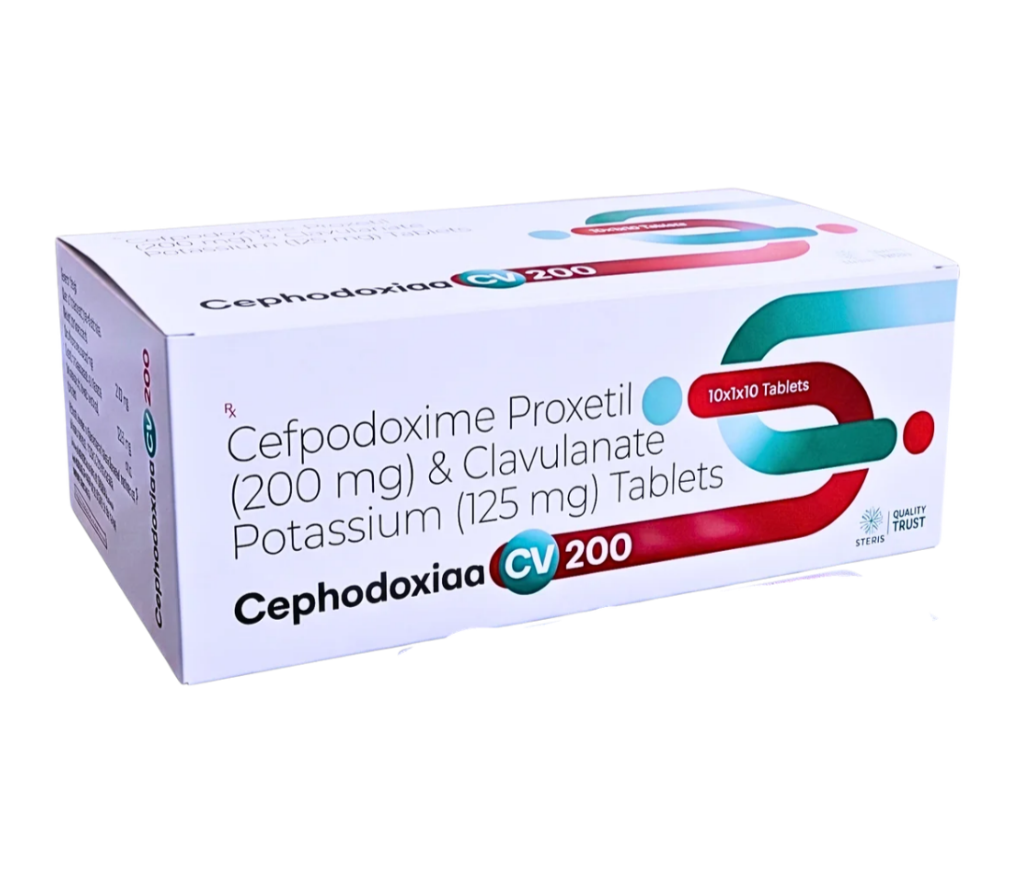
Cefpodoxime Proxetil 200 mg And Clavulanate Potassium 125 mg Tablets are prescription antibiotic medicines used for treating certain bacterial infections when the causative bacteria are susceptible to the combination. This formulation combines cefpodoxime, a third-generation cephalosporin antibiotic, with clavulanic acid, a beta-lactamase inhibitor that helps protect cefpodoxime against certain bacterial resistance enzymes.
The combination is prescribed by healthcare professionals for selected respiratory tract, urinary tract, and uncomplicated skin and soft tissue infections, depending on the patient's condition and bacterial susceptibility.
If you are searching for information about Cefpodoxime Proxetil 200 mg And Clavulanate Potassium 125 mg Tablets, this guide explains their composition, medical uses, working mechanism, potential benefits, precautions, and possible side effects to help you make informed healthcare decisions.
What Are Cefpodoxime Proxetil 200 mg And Clavulanate Potassium 125 mg Tablets?
This medicine is a fixed-dose antibiotic combination containing two active pharmaceutical ingredients.
1. Cefpodoxime Proxetil 200 mg
Cefpodoxime proxetil is an oral third-generation cephalosporin antibiotic. After administration, it is converted into active cefpodoxime, which works by interfering with bacterial cell-wall synthesis. This prevents susceptible bacteria from maintaining their protective cell walls and helps eliminate the infection.
2. Clavulanate Potassium 125 mg
Clavulanate potassium provides clavulanic acid, a beta-lactamase inhibitor. Certain bacteria produce beta-lactamase enzymes that can break down susceptible antibiotics. Clavulanic acid inhibits certain of these enzymes, helping protect cefpodoxime from enzymatic degradation.
Together, these ingredients provide antibacterial activity against selected susceptible organisms. However, this combination does not work against every resistant bacterium.
Key Uses and Benefits of Cefpodoxime Proxetil 200 mg And Clavulanate Potassium 125 mg Tablets
Doctors may prescribe this antibiotic combination for selected bacterial infections, including:
1. Respiratory Tract Infections
This combination may be prescribed for certain susceptible bacterial infections affecting the upper and lower respiratory tract. Depending on clinical assessment, these may include selected throat, sinus, bronchial, or lung infections.
2. Urinary Tract Infections (UTIs)
It may be prescribed for selected bacterial urinary tract infections when the suspected or confirmed organism is susceptible to the medicine.
Symptoms of a UTI can include painful urination, frequent urination, and lower abdominal discomfort. Appropriate diagnosis and antibiotic selection are important.
3. Skin and Soft Tissue Infections
Healthcare professionals may prescribe this combination for certain uncomplicated bacterial skin and soft tissue infections caused by susceptible organisms.
4. Helps Overcome Certain Bacterial Resistance Mechanisms
One important feature of the combination is the complementary action of cefpodoxime and clavulanic acid. Clavulanic acid inhibits certain beta-lactamase enzymes that would otherwise inactivate susceptible beta-lactam antibiotics.
However, it cannot overcome all forms of antibiotic resistance.
5. Supports Targeted Treatment of Susceptible Bacterial Infections
When prescribed appropriately, the combination provides antibacterial coverage against selected susceptible organisms. Treatment selection should consider the infection site, clinical severity, culture results when available, and local antibiotic resistance patterns.
How Do Cefpodoxime Proxetil and Clavulanate Potassium Tablets Work?
The two ingredients work through complementary mechanisms.
Cefpodoxime: Interferes with bacterial cell-wall formation, leading to the death of susceptible bacteria.
Clavulanic acid: Blocks certain beta-lactamase enzymes that can destroy susceptible beta-lactam antibiotics.
This combination can therefore improve antibacterial effectiveness against selected beta-lactamase-producing organisms.
It is important to remember that antibiotics treat bacterial infections, not viral illnesses such as the common cold or influenza.
How to Take Cefpodoxime Proxetil 200 mg And Clavulanate Potassium 125 mg Tablets
Always take this prescription medicine according to your doctor's instructions.
General precautions for administration:
Follow the prescribed dosage and treatment duration.
Take the tablet according to the product leaflet; some formulations recommend administration with food to improve absorption.
Swallow the tablet as directed by the manufacturer.
Do not skip doses or independently change the treatment schedule.
Do not stop treatment early without consulting your prescribing doctor.
If you miss a dose, follow your doctor's or pharmacist's instructions. Do not double the next dose.
The appropriate dosage and duration depend on the infection, age, kidney function, and individual medical history.
Possible Side
Like other prescription antibiotics, this medicine may cause side effects in some individuals.
Commonly reported or possible side effects include:
Nausea and vomiting.
Diarrhoea or loose stools.
Abdominal discomfort or stomach pain.
Headache.
Indigestion.
Skin rash or itching.
Serious Side Effects and Precautions
Seek urgent medical attention if you experience:
Difficulty breathing or swelling of the face, lips, or throat.
Severe allergic reactions.
Severe, persistent, or bloody diarrhoea.
Extensive skin rash, blistering, or peeling.
Severe abdominal pain.
Antibiotic-associated diarrhoea can sometimes indicate a serious intestinal infection, including Clostridioides difficile-associated diarrhoea.
Who Should Take Special Precautions?
Inform your doctor before taking this medicine if you:
Have a known allergy to cephalosporins, penicillins, or other beta-lactam antibiotics.
Have kidney disease or reduced kidney function.
Have a history of severe antibiotic-associated diarrhoea.
Are pregnant or breastfeeding.
Take other prescription medicines or supplements.
Have previously experienced serious allergic reactions to antibiotics.
Dosage adjustments may be necessary in patients with impaired kidney function.
Important Information Before Buying Cefpodoxime Proxetil 200 mg And Clavulanate Potassium 125 mg Tablets
For patients and healthcare professionals evaluating this medicine, the following product information should be checked before dispensing or purchasing:
Exact composition: Cefpodoxime Proxetil 200 mg and Clavulanate Potassium 125 mg.
Dosage form: Tablet.
Manufacturer and marketing authorisation details.
Batch number and manufacturing date.
Expiry date and storage instructions.
Packaging integrity and product authenticity.
Applicable Indian regulatory and prescription labelling.
This is a prescription antibiotic, not an over-the-counter wellness supplement. Purchase and use it only through authorised pharmacies with a valid prescription.
Frequently Asked Questions
1. What are Cefpodoxime Proxetil 200 mg And Clavulanate Potassium 125 mg Tablets used for?
These tablets are prescription antibiotics used for selected susceptible bacterial infections, including certain respiratory tract infections, urinary tract infections, and uncomplicated skin and soft tissue infections. Their use depends on medical diagnosis and bacterial susceptibility.
2. What is the role of clavulanate potassium in this antibiotic combination?
Clavulanate potassium provides clavulanic acid, which inhibits certain beta-lactamase enzymes produced by bacteria. This helps protect cefpodoxime against enzymatic breakdown and improves its activity against selected susceptible bacteria.
3. Can Cefpodoxime Proxetil 200 mg And Clavulanate Potassium 125 mg Tablets treat throat infections?
Doctors may prescribe this combination for certain bacterial throat infections when the causative bacteria are susceptible. It is not effective against viral sore throats, common colds, or influenza.
4. Can this medicine be used for urinary tract infections?
It may be prescribed for selected bacterial urinary tract infections. A healthcare professional should determine whether it is appropriate based on the patient's symptoms, clinical assessment, and urine culture results when indicated.
5. What are the common side effects of Cefpodoxime and Clavulanate tablets?
Common possible side effects include nausea, vomiting, diarrhoea, abdominal discomfort, headache, and skin rash. Severe allergic reactions and antibiotic-associated intestinal infections require immediate medical attention.
6. Should Cefpodoxime Proxetil and Clavulanate tablets be taken before or after food?
Follow the specific product instructions. Some formulations recommend taking cefpodoxime tablets with food to improve absorption. Ask your doctor or pharmacist if you are unsure about the correct administration instructions.
7. Can I stop taking this antibiotic when I feel better?
Do not stop or change your prescribed treatment without consulting your doctor. Follow the prescribed duration, because incorrect antibiotic use can contribute to treatment failure and antimicrobial resistance.
8. Is Cefpodoxime Proxetil with Clavulanate effective against viral infections?
No. Antibiotics work against susceptible bacteria and do not treat viral infections such as the common cold, influenza, or most viral sore throats.
9. Can people with kidney problems take Cefpodoxime and Clavulanate tablets?
People with kidney problems should consult their doctor before using this medicine. Reduced kidney function may require dosage adjustments to prevent excessive antibiotic exposure.
10. Do I need a prescription to buy Cefpodoxime Proxetil 200 mg And Clavulanate Potassium 125 mg Tablets?
Yes. This is a prescription antibiotic. It should be obtained from an authorised pharmacy with a valid prescription from a registered medical practitioner.
Conclusion
Cefpodoxime Proxetil 200 mg And Clavulanate Potassium 125 mg Tablets combine a third-generation cephalosporin antibiotic with a beta-lactamase inhibitor to provide antibacterial activity against selected susceptible organisms.
Cefpodoxime works by interfering with bacterial cell-wall synthesis, while clavulanic acid helps protect the antibiotic against certain bacterial resistance enzymes. This combination may be prescribed for selected respiratory tract, urinary tract, and uncomplicated skin and soft tissue infections.