
Introduction
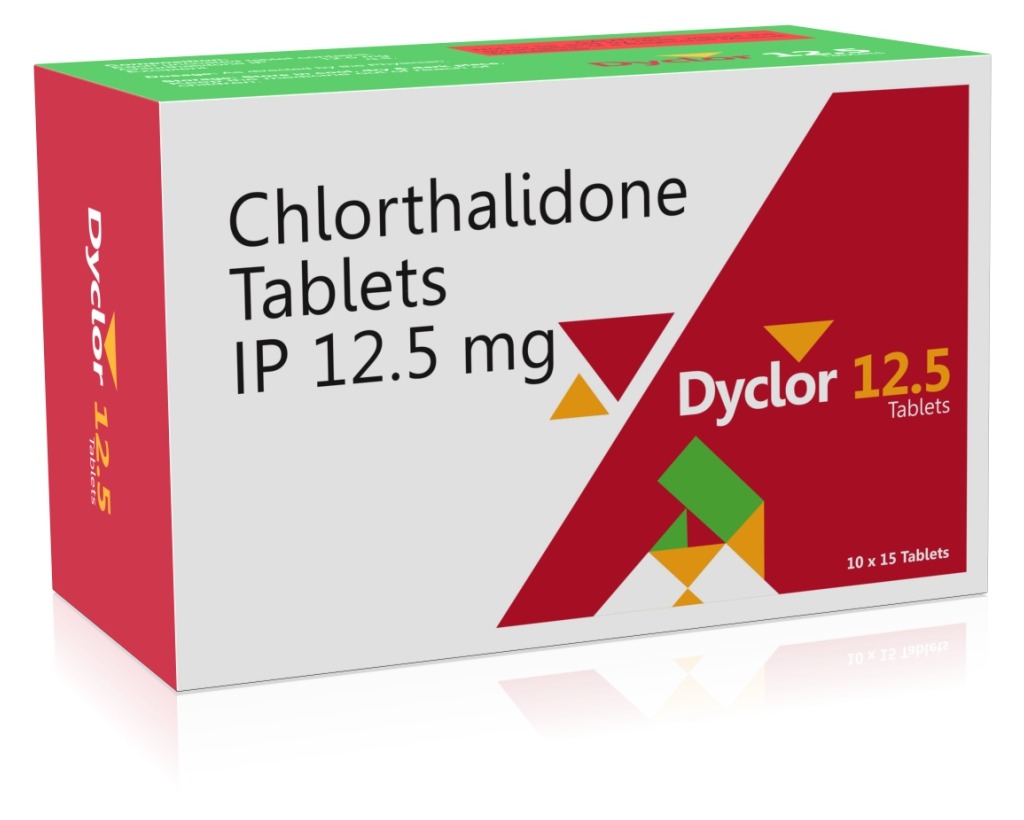
Chlorthalidone 12.5 mg is designed to help patients manage hypertension (high blood pressure) and edema (fluid retention) caused by various medical conditions. This article provides an in-depth look at DYCLOR 12.5, covering everything from its mechanism of action to safety profile, to guide patients and healthcare providers on its effective and safe use.
Mechanism of Action
Chlorthalidone works primarily by acting on the kidneys, specifically inhibiting sodium and chloride reabsorption in the distal convoluted tubules. This inhibition leads to an increased excretion of sodium and water, which ultimately reduces blood volume and lowers blood pressure. Additionally, by decreasing fluid buildup, it helps alleviate swelling and congestion associated with heart, liver, or kidney disorders.
Uses and Indications
chlorthalidone 12.5 mg uses to treat:
Hypertension (high blood pressure)
Edema caused by congestive heart failure, liver cirrhosis, or kidney disorders
Prevention of calcium-containing kidney stones in certain cases
Its ability to reduce blood pressure also helps lower the risk of stroke, heart attack, and kidney problems linked to hypertension.
Efficacy and Clinical Evidence
Clinical studies have consistently demonstrated the efficacy of chlorthalidone 12.5 in controlling blood pressure and reducing cardiovascular risks. It is often preferred due to its longer duration of action compared to other diuretics, providing sustained therapeutic effects throughout the day. The 12.5 mg dose is commonly used as a starting or maintenance dose to balance efficacy with minimal side effects.
Side Effects and Safety Profile
While generally well-tolerated, chlorthalidone side effects can occur and may include:
Increased urination
Dizziness, especially when standing up quickly
Electrolyte imbalances (e.g., low potassium, magnesium)
Dry mouth and muscle cramps
Rarely, more severe effects like gout or blood sugar alterations
Regular monitoring of blood pressure, electrolytes, and kidney function can mitigate most risks, making DYCLOR 12.5 safe when used as prescribed.
Contraindications and Precautions
DYCLOR 12.5 should not be used in patients with:
Anuria (inability to urinate)
Severe kidney or liver disease
Known hypersensitivity to chlorthalidone or sulfonamide-derived drugs
Caution is advised in patients with diabetes, gout, or electrolyte disturbances. It is essential to inform your healthcare provider about any existing medical conditions before starting therapy.
Drug Interactions
Chlorthalidone may interact with several medications, potentially altering its effects or increasing side effects, such as:
Lithium (increased toxicity risk)
Other blood pressure medications (enhanced hypotensive effect)
Nonsteroidal anti-inflammatory drugs (NSAIDs) reducing diuretic efficacy
Corticosteroids and laxatives contributing to electrolyte imbalance
Close medical supervision is recommended to manage such interactions safely.
Warnings and Regulatory Status
DYCLOR 12.5 complies with regulatory standards set by health authorities, ensuring quality and safety. Patients are advised to adhere strictly to prescribed dosages and undergo periodic check-ups. Sudden discontinuation is discouraged without consulting a healthcare provider.
Patient Advice and Tips
Take DYCLOR 12.5 at the same time daily, preferably in the morning to avoid frequent nighttime urination.
Maintain adequate hydration while monitoring fluid intake as advised by your doctor.
Inform your doctor of any side effects or unusual symptoms immediately.
Regularly check blood pressure and electrolyte levels as recommended.
Avoid prolonged sun exposure as chlorthalidone may increase sensitivity to sunlight.
Availability
DYCLOR 12.5, containing chlorthalidone 12.5 mg, is available in major pharmacies and hospitals. It is manufactured by Steris Healthcare Pvt Ltd, ensuring high manufacturing standards and reliable supply.
Why Choose Steris Healthcare Pvt Ltd?
Steris Healthcare Pvt Ltd stands out for producing DYCLOR 12.5 with uncompromised quality, adhering to rigorous Good Manufacturing Practices (GMP). The company is committed to affordability and accessibility, ensuring that patients receive effective and safe medication backed by scientific research and regulatory approvals.
Frequently Asked Questions
What is the lowest dose of chlorthalidone?
The lowest commonly prescribed dose is 12.5 mg, balancing effective treatment with tolerability.What conditions does chlorthalidone treat?
Primarily hypertension and edema related to heart, liver, or kidney problems.How long does chlorthalidone 12.5 last?
It has a long duration of action, lasting up to 24–72 hours.Can I take chlorthalidone with other blood pressure meds?
Yes, with doctor supervision to avoid excessive blood pressure lowering.What should I do if I miss a dose?
Take it as soon as remembered unless close to the next dose; never double dose.
Conclusion
Chlorthalidone 12.5 mg offers a reliable solution for managing hypertension and edema, supported by strong clinical evidence. DYCLOR 12.5, produced by Steris Healthcare Pvt Ltd, combines efficacy, safety, and affordability in one trusted package. Patients should always follow their healthcare provider’s guidance to maximize benefits and minimize risks from chlorthalidone therapy.