
Introduction
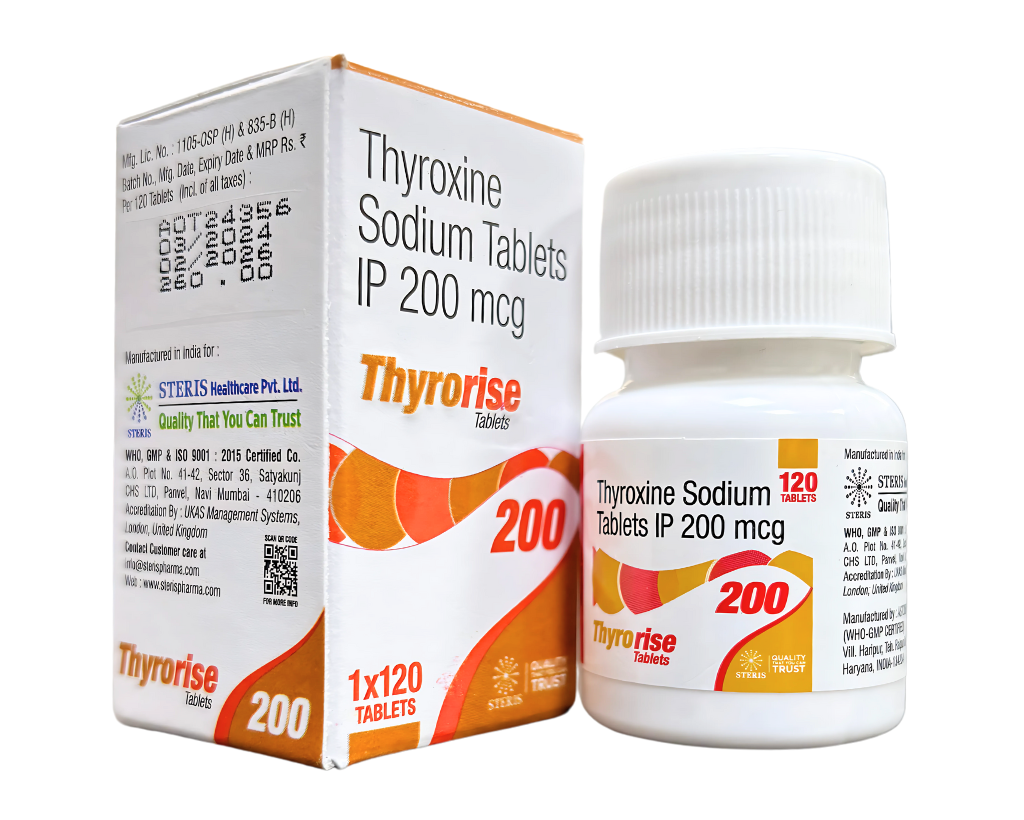
Thyroxine sodium tablets are a critical medication used to manage thyroid hormone deficiencies. One of the well-known brands of this medication is THYRORISE 200, which contains Thyroxine Sodium 200mcg as its active ingredient. This synthetic thyroid hormone is essential for treating hypothyroidism and other thyroid-related disorders by replacing deficient thyroid hormone levels in the body and restoring normal metabolic function.
Mechanism of Action
Thyroxine Sodium, also known as T4, works by mimicking the natural thyroid hormone produced by the thyroid gland. The hormone enters cells and binds to thyroid hormone receptors in the nucleus, influencing DNA transcription and protein synthesis. This results in the regulation of metabolism, growth, development, and energy production in the body. Although both T3 and T4 are active, T3 is the more potent form and is mostly derived from T4 conversion in peripheral tissues. Thyroxine sodium tablets IP provide an external source of T4 to normalize thyroid hormone levels when the gland is underactive.
Uses and Indications
THYRORISE 200 and other thyroxine sodium tablets are primarily indicated for:
Treatment of hypothyroidism (underactive thyroid gland)
Replacement therapy in patients whose thyroid gland has been removed or destroyed (due to surgery, radioactive iodine therapy, or disease)
Management of certain types of goiter
Adjunct therapy for thyroid cancer patients to suppress TSH and reduce recurrence risk
Efficacy and Clinical Evidence
Clinical studies have demonstrated that levothyroxine sodium tablets effectively restore normal serum levels of thyroid hormones and TSH. A meta-analysis of multiple studies showed significant improvement in thyroid function markers and symptom relief in hypothyroid and thyroid cancer patients treated with levothyroxine tablets. The therapy is generally safe and efficacious when dosed and monitored properly. However, the tablet formulation may have some variability in absorption compared to liquid forms, necessitating consistent use and monitoring to maintain therapeutic levels.
Side Effects and Safety Profile
Common side effects may include:
Weight changes
Headache
Nervousness or anxiety
Tremors
Insomnia
Sweating
Palpitations or rapid heartbeat
Serious side effects are rare but can include:
Allergic reactions (rash, swelling, breathing difficulty)
Cardiac symptoms such as chest pain or abnormal heart rhythm
Osteoporosis with long-term overtreatment
Proper dosing and regular monitoring are essential to avoid over- or under-treatment, both of which carry risks.
Contraindications and Precautions
Contraindications include:
Untreated adrenal insufficiency (can precipitate adrenal crisis)
Untreated thyrotoxicosis (excess thyroid hormone state)
Hypersensitivity to any ingredients
Precautions:
Use cautiously in patients with cardiovascular disease or elderly patients to avoid overstimulation of the heart
Regular monitoring of thyroid function tests is critical to adjust doses
Pregnancy and pediatric dosing require special consideration and monitoring
Drug Interactions
Several drugs and dietary substances can interfere with the absorption or efficacy of thyroxine sodium tablets IP:
Antacids, calcium, magnesium, and iron supplements can reduce absorption
Proton pump inhibitors and bile acid sequestrants may alter bioavailability
Certain foods like soy, coffee, grapefruit juice, and high-fiber diets also reduce absorption and should be timed appropriately from levothyroxine intake
Some medications (e.g., rifampin, amiodarone, propranolol) can affect thyroid hormone metabolism
Patients should inform their healthcare provider about all medications and supplements to avoid interactions.
Warnings and Regulatory Status
Not indicated for weight loss or obesity treatment
Overdose can lead to symptoms of hyperthyroidism or thyroid storm, a life-threatening condition
Should be taken on an empty stomach, typically 30-60 minutes before food, to maximize absorption
Regular thyroid function testing is mandated to manage therapy safely
Approved and regulated as a prescription medication globally, including formulations like THYRORISE 200 by Steris Healthcare Pvt Ltd
Patient Advice and Tips
Take thyroxine sodium tablets exactly as prescribed by your doctor without skipping doses
Always take on an empty stomach with a full glass of water
Separate the intake of interfering medications or supplements by at least 4 hours
Report any unusual symptoms such as heart palpitations, chest pain, or significant mood changes to your doctor
Do not change brands or formulations without consulting your healthcare provider, as bioavailability may differ
Monitor thyroid levels as recommended, especially during pregnancy or dosage adjustments
Availability
THYRORISE 200 is widely available in India and sold by Steris Healthcare Pvt Ltd. It is offered in a 200mcg dosage tablet form under strict quality control to ensure efficacy and safety for patients managing hypothyroidism and other thyroid conditions.
Why Choose Steris Healthcare Pvt Ltd?
Steris Healthcare Pvt Ltd is committed to delivering high-quality pharmaceuticals like THYRORISE 200 with stringent quality controls and clinical effectiveness. Their products meet international standards, ensuring patients receive safe, reliable, and effective thyroid hormone replacement therapy.
Frequently Asked Questions
Why are thyroxine sodium tablets used?
They replace or supplement natural thyroid hormone in patients with hypothyroidism or thyroid hormone deficiency.How should I take thyroxine sodium tablets?
On an empty stomach, preferably 30-60 minutes before breakfast, with water.Can I take other medications with thyroxine sodium?
Some drugs and supplements can interfere; always consult your healthcare provider about all your medications.What happens if I miss a dose?
Take it as soon as you remember but do not double up doses. Contact your doctor if unsure.Are there any serious side effects?
Serious side effects are rare but include heart problems and allergic reactions. Regular monitoring reduces these risks.
Conclusion
Thyroxine sodium tablets, such as THYRORISE 200, play a vital role in managing thyroid hormone deficiencies, primarily hypothyroidism. Their ability to restore normal thyroid function significantly improves patients’ quality of life when used correctly. Understanding the medication’s mechanism, appropriate use, safety, and drug interactions is crucial for optimal treatment outcomes.