
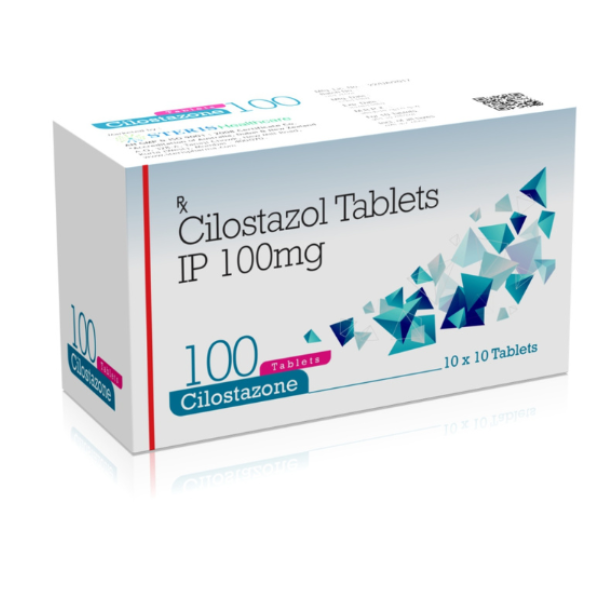
Introduction
Cilostazol 100 mg Tablet is widely prescribed for managing peripheral arterial disease symptoms, especially for patients experiencing leg pain due to poor circulation, known as intermittent claudication. The drug belongs to the class of phosphodiesterase III inhibitors, known for their antiplatelet and vasodilatory effects, making it essential in preventing blood clots and improving blood flow.
Mechanism of Action
Cilostazol acts by inhibiting the enzyme phosphodiesterase III (PDE3), which results in increased levels of cyclic adenosine monophosphate (cAMP) within platelets and vascular smooth muscle cells. Elevated cAMP activates protein kinase A (PKA), which inhibits platelet aggregation and causes vasodilation. This dual action:
Prevents platelets from clumping and forming clots
Relaxes blood vessels, enhancing blood flow and oxygen delivery to tissues
Additionally, cilostazol has antiproliferative effects on vascular smooth muscle cells, reducing arterial thickening and improving endothelial function. It also promotes nitric oxide production, which further contributes to vasodilation.
Uses and Indications
Cilostazol 100 mg Tablet uses include:
Treatment of intermittent claudication to improve walking distance and reduce pain from poor circulation
Secondary prevention of stroke and transient ischemic attacks
Management of peripheral arterial disease
Sometimes used adjunctively after coronary interventions to prevent restenosis
Efficacy and Clinical Evidence
Clinical studies demonstrate that cilostazol improves walking distance significantly in patients with intermittent claudication by promoting vasodilation and inhibiting platelet aggregation. It has also shown benefits in reducing the progression of atherosclerosis and preventing stroke recurrence. Its efficacy as an antiplatelet agent, especially in diabetic patients at higher thrombotic risk, has been well documented.
Side Effects and Safety Profile
Common side effects of cilostazol include:
Headache
Diarrhea
Dizziness
Palpitations or tachycardia
Serious adverse effects are rare but may include bleeding complications due to its antiplatelet activity. The drug is generally well tolerated when prescribed according to dosage guidelines.
Contraindications and Precautions
Cilostazol is contraindicated in patients with:
Heart failure of any severity due to increased mortality risk associated with PDE3 inhibitors in such patients
Active bleeding or hemorrhagic conditions
Known hypersensitivity to cilostazol or any of its components
Precautions should be taken in patients with liver or kidney impairment. It requires careful monitoring when combined with other antiplatelet or anticoagulant therapies.
Drug Interactions
Cilostazol is metabolized primarily by the CYP3A4 and CYP2C19 liver enzymes. Drugs inhibiting these enzymes (e.g., macrolide antibiotics, azole antifungals, some proton pump inhibitors) may increase cilostazol levels and side effects, necessitating dose adjustments. Concomitant use with other antiplatelet agents or anticoagulants can increase bleeding risk.
Warnings and Regulatory Status
Cilostazol carries a boxed warning regarding its use in heart failure patients. It is approved by regulatory authorities like the FDA for improving symptoms in patients with intermittent claudication. It should be used under medical supervision, with dose adjustments as necessary for patients taking CYP inhibitors.
Patient Advice and Tips
Take Tab Cilostazol at least 30 minutes before or 2 hours after meals for optimal absorption
Inform your doctor about all medications you are taking to avoid harmful interactions
Report any signs of unusual bleeding or heart symptoms promptly
Avoid alcohol and smoking as they can worsen circulation problems
Availability
Cilostazol 100 mg Tablet is available in most pharmacies under various brand names, including generics. It is manufactured and supplied by many pharmaceutical companies, including Steris Healthcare Pvt Ltd.
Why Choose Steris Healthcare Pvt Ltd?
Choosing Steris Healthcare Pvt Ltd for your cilostazol 100 mg tablet needs ensures:
High-quality manufacturing standards
Reliable and consistent drug formulation
Competitive pricing with regulatory compliance
Excellent distribution network ensuring availability
Frequently Asked Questions
Which group of drug does cilostazol belong to?
Cilostazol belongs to the phosphodiesterase III inhibitors group with antiplatelet and vasodilatory properties.What are the main uses of cilostazol 100 mg tablet?
It is used primarily to treat intermittent claudication and improve blood flow in peripheral arterial disease.Can cilostazol be taken with other blood thinners?
Yes, but under strict medical supervision due to increased bleeding risk.What are common side effects of cilostazol?
Headache, dizziness, diarrhea, and palpitations are common.Is cilostazol safe for patients with heart failure?
No, it is contraindicated in patients with heart failure.
Conclusion
Cilostazol 100 mg Tablet, marketed as CILOSTAZONE 100, offers a scientifically proven solution for improving blood circulation and walking ability in patients with PAD. Its unique PDE3 inhibition mechanism makes it effective in reducing platelet aggregation and dilating blood vessels.