

Introduction
Dydrogesterone is a synthetic progesterone that mimics the body’s natural hormone to help regulate the menstrual cycle and support pregnancy. It is widely prescribed in gynecology and obstetrics to manage hormonal imbalances. One of the most searched queries by patients and clinicians alike is dydrogesterone tablet uses, as the drug offers versatile therapeutic benefits.
Whether prescribed for cycle irregularities, infertility, or miscarriage prevention, dydrogesterone tablets have earned a reputation for being safe and highly effective. Products containing dydrogesterone 20 mg or lower strengths (e.g., 10 mg) are commonly used under strict medical guidance.
Additionally, dydrogesterone tablet uses in pregnancy play a crucial role in early pregnancy support and luteal phase supplementation, especially in women at risk of miscarriage.
Mechanism of Action
Dydrogesterone is a selective progestin that binds specifically to progesterone receptors. Unlike older synthetic progestogens, it:
Acts directly on the endometrium without suppressing ovulation
Maintains a secretory endometrium to support implantation
Counterbalances estrogen in hormone replacement therapy (HRT
Due to its lack of androgenic, estrogenic, and corticoid effects, dydrogesterone tablets are safe for long-term reproductive use.
Uses and Indications
The broad scope of dydrogesterone tablet uses includes:
Irregular menstruation
Dysmenorrhea (painful periods)
Secondary amenorrhea (absence of menstruation)
Endometriosis
Luteal phase deficiency
Threatened or recurrent miscarriage
Infertility due to progesterone deficiency
Supportive therapy in assisted reproduction (ART/IVF)
Hormone Replacement Therapy (HRT) in menopausal women (combined with estrogen)
Importantly, dydrogesterone tablet uses in pregnancy help maintain early gestation in women with low progesterone levels.
Efficacy and Clinical Evidence
Several clinical trials and real-world studies support the use of dydrogesterone:
A study published in Fertility and Sterility reported higher live birth rates in women with recurrent miscarriage treated with dydrogesterone.
The PROMISE trial confirmed its effectiveness in preventing miscarriage in early pregnancy.
In endometriosis, dydrogesterone significantly reduced pelvic pain and restored regular cycles.
Dydrogesterone is also a key component in ART protocols, helping support the endometrium after embryo transfer.
Both 10 mg and dydrogesterone 20 mg doses are used depending on the severity of the condition.
Side Effects and Safety Profile
Common Side Effects:
Headache
Nausea
Breast tenderness
Fatigue
Rare Side Effects:
Breakthrough bleeding
Rash or skin reactions
Mood changes
Compared to other progestins, dydrogesterone has a lower incidence of side effects and is considered pregnancy-safe under supervision.
Contraindications and Precautions
Contraindications:
Known hypersensitivity to dydrogesterone
Undiagnosed vaginal bleeding
Active thromboembolic disorders
Hormone-sensitive tumors
Precautions:
Use under medical guidance in pregnancy and lactation
Monitor in patients with liver disorders
Discontinue if jaundice or significant bleeding occurs
Drug Interactions
CYP3A4 inducers (e.g., rifampin, carbamazepine) may reduce effectiveness.
May interfere with the activity of anticoagulants or some enzyme-modulating drugs.
No significant interaction with estrogen, making it suitable for HRT combinations.
Warnings and Regulatory Status
Approved by major regulatory authorities for reproductive and hormonal health.
Available by prescription only under Schedule H in India.
Not intended for contraceptive use.
Pregnant women must follow dosage and duration strictly to avoid complications.
Patient Advice and Tips
Take at the same time each day, preferably after food.
Do not stop abruptly; taper as advised.
Track your menstrual cycle while on the medication.
Report any unusual bleeding, pain, or dizziness to your doctor.
In IVF or pregnancy support, maintain all follow-ups for hormone level monitoring.
Availability
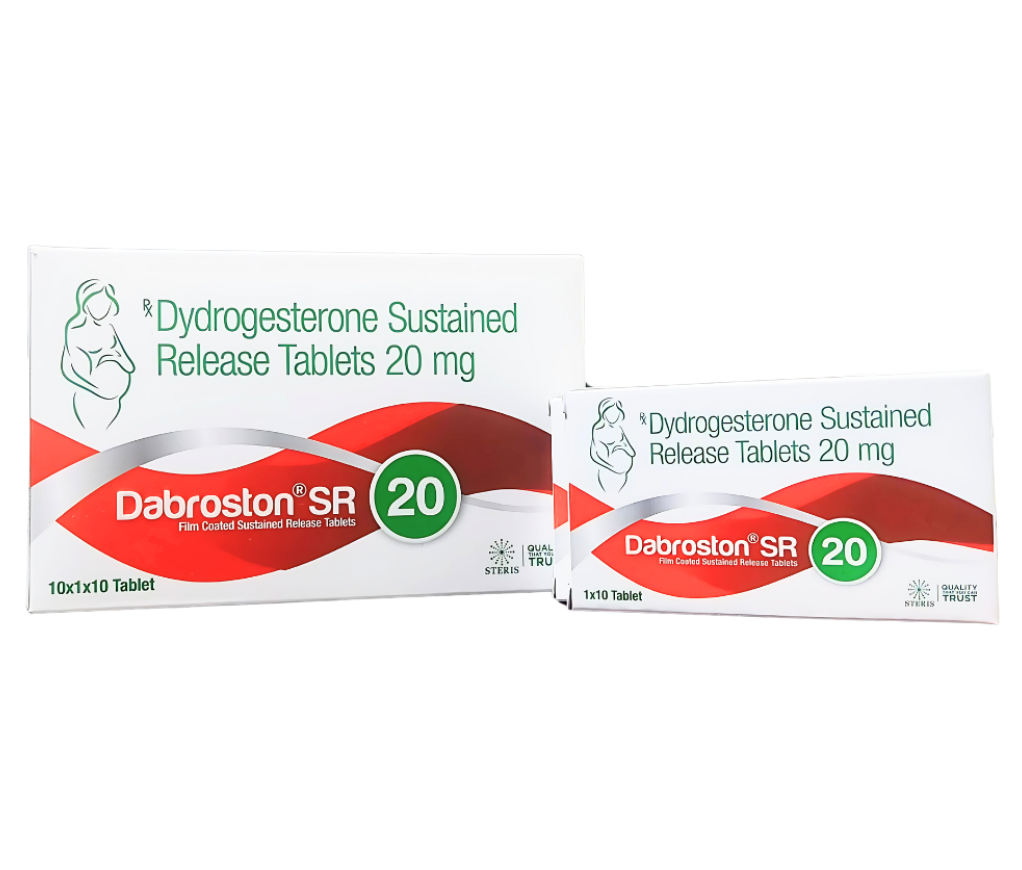
Dydrogesterone tablets are available in multiple strengths, including the commonly prescribed 10 mg and higher-dose dydrogesterone 20 mg formats. These are available in blister packs at major pharmacies and hospital supply chains.
Frequently Asked Questions
1. Does dydrogesterone delay periods?
Yes, dydrogesterone can delay periods if taken continuously, especially when used for luteal phase support or hormonal imbalance management.
2. Is dydrogesterone safe during pregnancy?
Yes. Dydrogesterone tablet uses in pregnancy include preventing miscarriage and supporting early gestation in women with low progesterone.
3. Can dydrogesterone be used for IVF?
Absolutely. It is commonly used in ART (assisted reproductive technology) cycles for luteal support and enhancing implantation.
4. How long can you take dydrogesterone?
It varies by condition—anywhere from a few days to several months. Long-term use should always be under medical supervision.
5. What happens if I miss a dose?
Take it as soon as you remember. If it's near the time of your next dose, skip the missed dose. Do not double-dose.
Why Choose Steris Healthcare Pvt Ltd?
Dydrogesterone 20 mg,Steris Healthcare Pvt Ltd is a name synonymous with quality, trust, and affordability in the Indian pharmaceutical industry. With WHO-GMP certified plants and DCGI-approved formulations, Steris offers clinically trusted hormonal therapies like dydrogesterone with consistent quality.
Reasons to choose Steris Healthcare:
Doctor-recommended formulations
Wide distribution network across India
Competitive pricing
Ethical and transparent business practices
Whether for reproductive support or menstrual regulation, Steris ensures access to reliable, safe hormonal care.
Conclusion
Dabroston SR 20 Dydrogesterone tablet uses span a broad spectrum of women’s health conditions—from irregular cycles to supporting pregnancy and hormone replacement. With strong clinical validation and minimal side effects, dydrogesterone continues to be a gold standard in progesterone therapy.
Choose Steris Healthcare Pvt Ltd for high-quality dydrogesterone therapy—trusted by healthcare professionals, backed by science.