
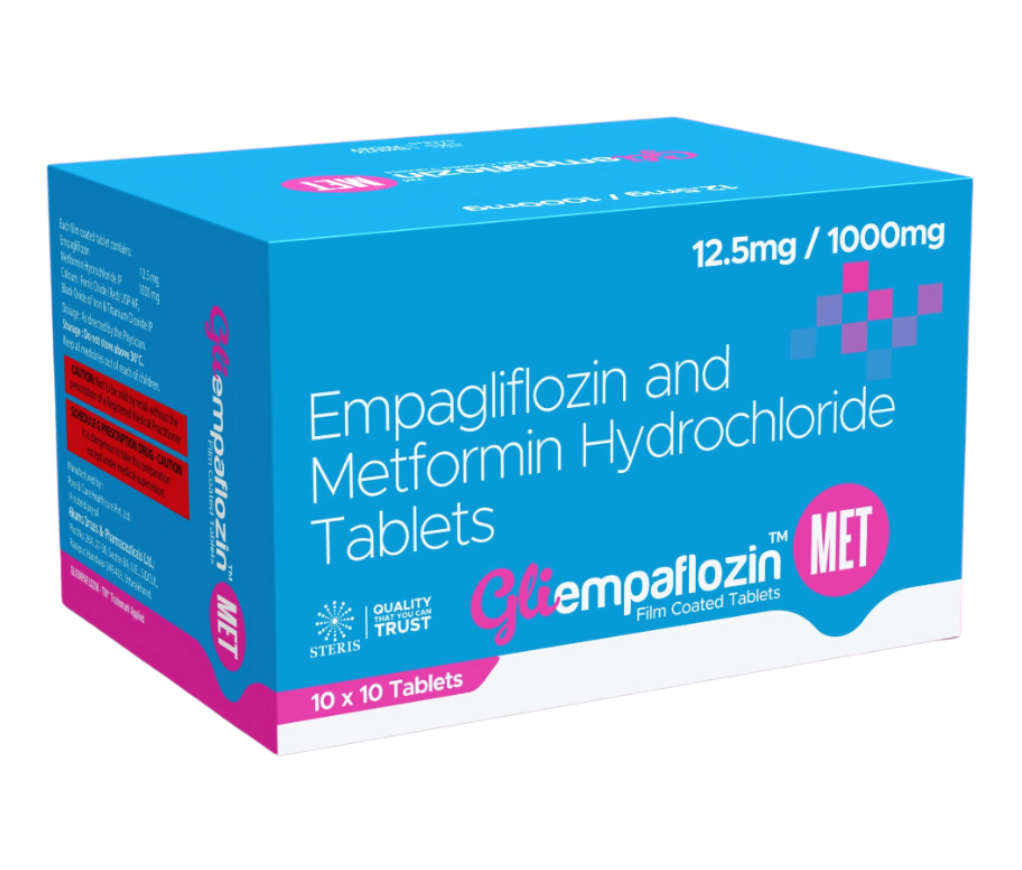
GLIEMPAFLOZIN MET 12.5mg/1000mg is an oral antidiabetic combination designed to support effective blood sugar control in adults with Type 2 Diabetes Mellitus (T2DM). It combines two well-established agents—Empagliflozin, a selective SGLT2 inhibitor, and Metformin Hydrochloride, a first-line biguanide therapy. Together, they target high blood glucose from different pathways, offering more comprehensive management for patients who require dual therapy.
This combination not only helps improve glycaemic control but also supports cardiovascular and renal health, making it a trusted option for long-term diabetes care in India. GLIEMPAFLOZIN MET 12.5mg/1000mg is typically recommended when lifestyle changes and monotherapy are not sufficient to maintain healthy blood sugar levels.
Uses
GLIEMPAFLOZIN MET 12.5mg/1000mg is primarily used for:
1. Management of Type 2 Diabetes Mellitus
The combination helps reduce elevated blood glucose levels, particularly in adults whose blood sugar is inadequately controlled with Metformin alone.
2. Improving Insulin Sensitivity and Glucose Elimination
Metformin reduces hepatic glucose production and improves peripheral insulin sensitivity, while Empagliflozin enhances urinary glucose excretion by inhibiting SGLT2 transporters in the kidneys.
3. Cardiovascular Risk Reduction
Empagliflozin has demonstrated protective benefits in patients with existing heart disease, helping reduce the risk of cardiovascular death.
4. Renal Health Support
The combination can help slow down the progression of diabetic kidney disease in suitable patients.
Benefits
1. Dual Mechanism for Better Glycaemic Control
By addressing glucose levels from the liver, muscles, and kidneys simultaneously, this combination ensures more stable and efficient blood sugar reduction.
2. Helps in Weight Management
Empagliflozin promotes calorie loss through glycosuria, which may assist overweight patients with mild weight reduction when combined with diet and exercise.
3. Lower Risk of Hypoglycaemia
Because both components work independently of insulin secretion, the risk of low blood sugar is significantly reduced compared to several other antidiabetic medicines.
4. Cardioprotective Benefits
Studies show Empagliflozin helps reduce the risk of cardiovascular events, making the combination particularly beneficial for diabetic patients with heart-related risk factors.
5. Kidney Protection
The medicine helps reduce intraglomerular pressure and albuminuria, contributing to long-term renal safety.
6. Convenient Once/ Twice Daily Dosing
Offers better patient adherence due to simplified therapy compared to taking multiple separate tablets.
Dosage
GLIEMPAFLOZIN MET 12.5mg/1000mg is usually taken once or twice daily, depending on the doctor’s recommendation.
It should be consumed with meals to minimise gastrointestinal discomfort caused by Metformin.
Dosage may vary based on:
Patient’s blood glucose profile
Co-morbid conditions
Previous treatment response
Kidney function
Do not self-adjust the dose. Always follow your physician’s guidance for safe and effective use.
Side Effects
Like all antidiabetic combinations, GLIEMPAFLOZIN MET 12.5mg/1000mg may cause some side effects. Most are mild and improve with continued use.
Common Side Effects
Increased urination
Thirst or mild dehydration
Nausea, vomiting, or stomach upset
Metallic taste
Fatigue
Headache
Mild drop in blood pressure
Less Common but Important Side Effects
Genital or urinary tract infections
Lactic acidosis (rare but serious; related to Metformin)
Ketoacidosis (although uncommon, must be monitored)
Electrolyte imbalance
Kidney function changes
Seek medical help immediately if you experience severe abdominal pain, difficulty breathing, rapid heartbeat, dizziness, or symptoms of infection.
Precautions and Warnings
1. Not Suitable for Type 1 Diabetes
This medicine is only approved for Type 2 Diabetes and should not be used in Type 1 Diabetes or diabetic ketoacidosis.
2. Kidney Function Monitoring
Patients with impaired kidney function should use this combination cautiously. Regular renal assessments are required.
3. Stay Hydrated
Because Empagliflozin increases urine output, adequate water intake is essential to prevent dehydration.
4. Avoid Excessive Alcohol
Alcohol may increase the risk of lactic acidosis when taken with Metformin.
5. Inform Your Doctor About All Medications
Drug interactions may require dose adjustments or close monitoring.
6. Pregnancy and Breastfeeding
Use only if recommended by the doctor, as safety data in pregnant or lactating women is limited.
7. Surgery or Radiological Procedures
Metformin may need temporary discontinuation before major procedures involving contrast dye.
Conclusion
GLIEMPAFLOZIN MET 12.5mg/1000mgoffers a powerful and clinically proven combination for effective Type 2 Diabetes Mellitus management in adults. By pairing Empagliflozin’s SGLT2 inhibition with Metformin’s insulin-sensitizing action, it provides comprehensive control over blood glucose levels while supporting heart and kidney health. Its convenient dosing and broad benefits make it a reliable choice for long-term diabetes care when lifestyle changes and monotherapy are insufficient.
For best results, use this therapy under medical supervision, maintain a healthy diet, stay active, and follow regular follow-up appointments to monitor blood sugar trends and overall health.