
Introduction
Ferric carboxymaltose injection is a third-generation intravenous iron formulation that contains colloidal iron (III) hydroxide complexed with carboxymaltose, a carbohydrate polymer. This formulation allows controlled and gradual release of iron, enabling the body to absorb the iron needed efficiently and store the rest safely. Administered intravenously, it corrects iron deficiency anemia effectively by rapidly increasing hemoglobin levels and replenishing iron stores
Mechanism of Action
The mechanism involves the slow release of iron from the ferric hydroxide core stabilized by carboxymaltose. After intravenous administration, the iron-carbohydrate complex is taken up mainly by the cells of the reticuloendothelial system, facilitating iron transfer to iron-binding proteins such as ferritin and transferrin. This process minimizes the release of free ionic iron into the serum, reducing potential toxicity. The released iron is then used to synthesize hemoglobin, restore erythropoiesis, and replenish depleted iron stores in tissues like the bone marrow, liver, and spleen.
Uses and Indications
The primary use of ferric carboxymaltose injection is to treat iron deficiency anemia in adult and pediatric patients who cannot tolerate or do not respond to oral iron therapy. It is also indicated for patients with chronic kidney disease (not on dialysis), postpartum anemia, inflammatory bowel disease, and heavy uterine bleeding. Additionally, it is used to improve exercise capacity in adults with congestive heart failure associated with iron deficiency
Efficacy and Clinical Evidence
Clinical trials have demonstrated that ferric carboxymaltose injection leads to a faster and more sustained increase in hemoglobin levels compared to oral iron sulfate, with better tolerance and fewer side effects. For example, studies have shown that patients treated with ferric carboxymaltose achieve a significant rise in hemoglobin within 4 weeks and replenish iron stores efficiently. The safety profile is favorable, with a low incidence of adverse effects, and patients undergoing multiple doses do not experience iron overload
Side Effects and Safety Profile
Common side effects include nausea, flushing, injection site reactions, dizziness, hypertension, stomach pain, and mild hypophosphatemia. Serious and potentially life-threatening hypersensitivity reactions, though rare, can occur during or shortly after administration, necessitating close monitoring during infusion and for at least 30 minutes afterward. Allergic reactions such as rash, swelling, breathing difficulties, or anaphylaxis require immediate medical attention. Patients should be monitored for blood pressure changes and serum phosphate levels during therapy
Contraindications and Precautions
Contraindications include known hypersensitivity to ferric carboxymaltose or any component of the formulation. It should be used with caution in patients with a history of anaphylaxis to intravenous iron products, active infections, or iron overload conditions. Pregnant and breastfeeding women should use it only if clearly needed, as safety data are limited. Careful assessment is recommended for patients with heart failure, high blood pressure, or liver disease. The exact ferric carboxymaltose dose should always be determined by a healthcare provider based on clinical evaluation.
Drug Interactions
No significant drug interactions have been reported with ferric carboxymaltose injection, but concurrent iron therapies should be avoided to reduce the risk of iron overload. Monitoring is advised if administered alongside other medications affecting iron metabolism.
Warnings and Regulatory Status
The medication requires administration by healthcare professionals in a setting equipped to manage hypersensitivity reactions. It is approved by regulatory authorities such as the FDA for intravenous treatment of iron deficiency anemia. Vigilance for hypersensitivity is emphasized in product labeling, with recommendations for emergency preparedness during administration
Patient Advice and Tips
Patients receiving inj ferric carboxymaltose should report any unusual symptoms immediately, particularly signs of allergic reactions. They are advised to avoid driving or operating heavy machinery if dizziness occurs. Adequate hydration and follow-up blood tests are recommended to monitor treatment response and safety. The injection should only be administered under medical supervision to ensure appropriate dosing and monitoring
Availability
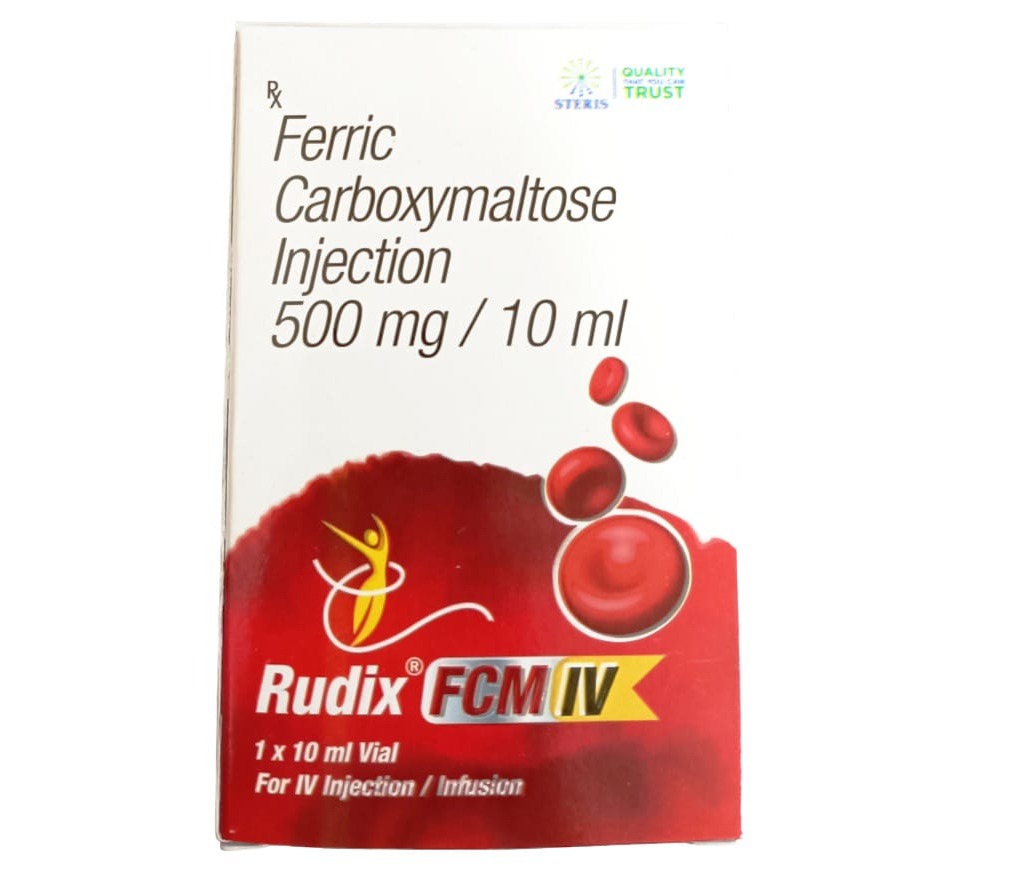
RUDIX FCM IV (Ferric Carboxymaltose 50mg/10ml) is available in vials suitable for intravenous administration. Dosage depends on patient's body weight and severity of anemia, with typical dosing around 15 mg/kg per infusion, not exceeding cumulative doses of 1500 mg, usually given in divided doses spaced a week apart
Frequently Asked Questions
How to give ferric carboxymaltose injection?
It is administered by slow intravenous injection or infusion, typically over 7.5 to 15 minutes, by a trained healthcare professional with monitoring for hypersensitivity during and after administrationWhat are the common uses of ferric carboxymaltose injection?
Used primarily to treat iron deficiency anemia in patients who cannot tolerate oral iron or require rapid iron repletion, including those with chronic kidney disease, postpartum anemia, and inflammatory bowel diseaseWhat is the typical dose of ferric carboxymaltose?
Dosing is generally 15 mg/kg body weight, divided into one or two doses at least 7 days apart, up to a total of 1500 mg per treatment courseWhy choose Steris Healthcare Pvt Ltd for RUDIX FCM IV?
Steris Healthcare Pvt Ltd provides high-quality pharmaceutical formulations that comply with stringent regulatory standards, ensuring safe, effective, and consistent products, backed by robust clinical evidence and pharmacovigilance.Are there any special precautions during ferric carboxymaltose injection?
Yes, patients should be monitored for at least 30 minutes post-infusion for hypersensitivity, and those with a history of allergies or heart conditions should inform their healthcare providers to prevent adverse events
Conclusion
Ferric carboxymaltose injection such as RUDIX FCM IV is an effective and well-tolerated intravenous iron therapy for rapid correction of iron deficiency anemia. Its controlled iron release, favorable safety profile, and clinical efficacy make it a preferred choice in appropriate patients, especially those unable to use oral iron or needing swift repletion. Proper administration and monitoring are essential to maximize benefits and minimize potential risks.