
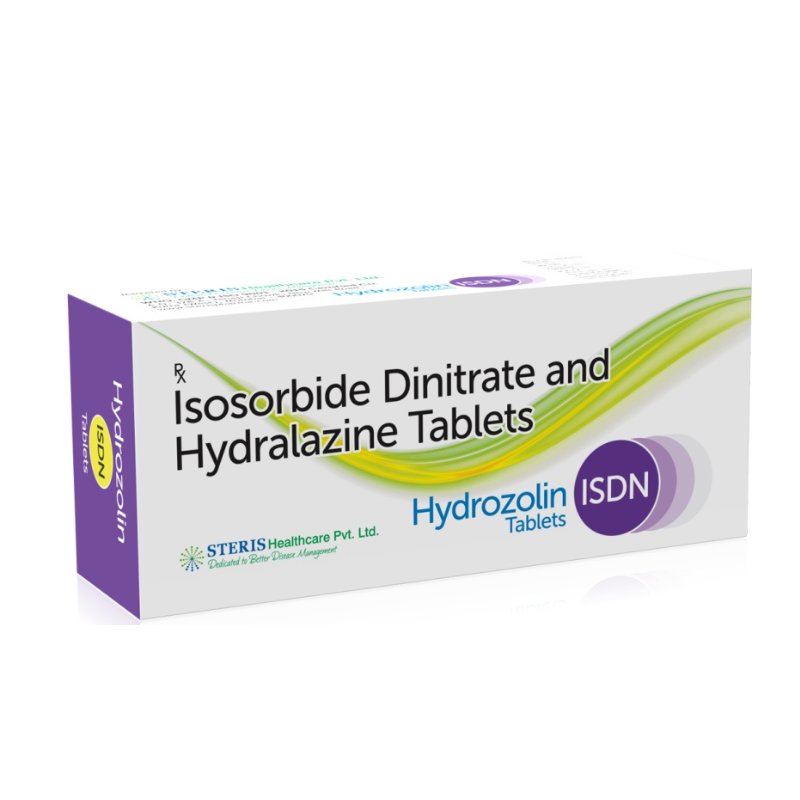
HYDROZOLIN ISDN is a combination cardiovascular medication formulated with Isosorbide Dinitrate (20 mg) and Hydralazine (37.5 mg), designed to improve heart function and manage specific forms of heart failure and hypertension. This dual-action therapy works by relaxing blood vessels, reducing cardiac workload, and improving blood flow to vital organs, especially the heart.
Heart failure and chronic cardiovascular conditions often result from the heart’s inability to pump sufficient blood efficiently. This leads to symptoms such as breathlessness, fatigue, chest pain, and fluid retention. HYDROZOLIN ISDN is particularly beneficial in patients who require vasodilator therapy to reduce both preload and afterload on the heart. The combination of a nitrate and a direct vasodilator provides synergistic effects that improve exercise tolerance, quality of life, and overall cardiovascular outcomes.
Uses
HYDROZOLIN ISDN is primarily prescribed for the management of cardiovascular conditions, including:
Chronic heart failure, especially in patients intolerant to ACE inhibitors or ARBs
Adjunct therapy in moderate to severe heart failure
Management of hypertension in selected patients
Improvement of symptoms such as shortness of breath and fatigue related to heart failure
Reduction of cardiac workload and improvement of blood circulation
This combination therapy is often used under specialist supervision as part of a comprehensive heart failure treatment regimen.
Benefits
HYDROZOLIN ISDN provides multiple therapeutic benefits due to the complementary mechanisms of its active ingredients:
Isosorbide Dinitrate is a nitrate that works by releasing nitric oxide, which relaxes smooth muscles in blood vessels. This leads to venous and arterial dilation, reducing the amount of blood returning to the heart (preload) and decreasing cardiac strain. Improved blood flow also helps relieve chest discomfort and enhances oxygen delivery to the heart muscle.
Hydralazine is a direct arterial vasodilator that reduces systemic vascular resistance. By lowering afterload, it allows the heart to pump blood more efficiently with less effort. This results in improved cardiac output and reduced symptoms of heart failure.
Together, these agents:
Improve heart pumping efficiency
Reduce symptoms of breathlessness and fatigu
Enhance exercise tolerance
Lower the risk of disease progression in heart failure
Improve overall quality of life in patients with chronic cardiac conditions
This combination is especially beneficial in patients with reduced ejection fraction and those requiring alternative vasodilator therapy.
Dosage
The dosage of HYDROZOLIN ISDN should be determined by a physician based on the patient’s medical condition, response to therapy, and tolerance.
Tablets should be taken orally with water.
It is usually administered two to three times daily, depending on clinical recommendation.
The medicine may be taken with or without food, preferably at the same time each day to maintain consistent blood levels.
Patients should strictly follow the prescribed dose and schedule. Abrupt discontinuation should be avoided unless advised by a healthcare professional, as it may worsen symptoms.
Side Effects
Like all medications, HYDROZOLIN ISDN may cause side effects, although not everyone experiences them. Common or possible side effects include:
Headache (very common due to vasodilation)
Dizziness or lightheadedness
Low blood pressure
Flushing or warmth sensation
Nausea or vomiting
Rapid heartbeat (palpitations)
Less common but serious side effects may include severe hypotension, allergic reactions, or lupus-like symptoms associated with hydralazine during long-term use.
If side effects persist, worsen, or cause significant discomfort, medical advice should be sought promptly.
Precautions and Warning
HYDROZOLIN ISDN should be used only under medical supervision.
Caution is advised in patients with low blood pressure, kidney disease, or liver impairment.
Alcohol consumption may increase the risk of dizziness and hypotension.
Patients should rise slowly from sitting or lying positions to avoid fainting.
Not recommended during pregnancy or breastfeeding unless clearly prescribed by a doctor.
Regular monitoring of blood pressure and heart function may be required.
Patients should inform their doctor about all other medications they are taking to avoid potential drug interactions.
Conclusion
HYDROZOLIN ISDN is a clinically effective combination therapy that plays a significant role in the management of heart failure and selected cardiovascular conditions. With its dual action of Isosorbide Dinitrate and Hydralazine, it helps reduce cardiac workload, improve blood circulation, and relieve debilitating symptoms such as breathlessness and fatigue.
When used as prescribed, HYDROZOLIN ISDN supports better heart performance, enhances exercise capacity, and contributes to an improved quality of life for patients living with chronic heart disease. Its proven vasodilatory benefits make it a valuable option in modern cardiovascular care.
HYDROZOLIN ISDN is not just a medication—it is a strategic approach to managing heart health and supporting long-term cardiovascular stability.