
Introduction
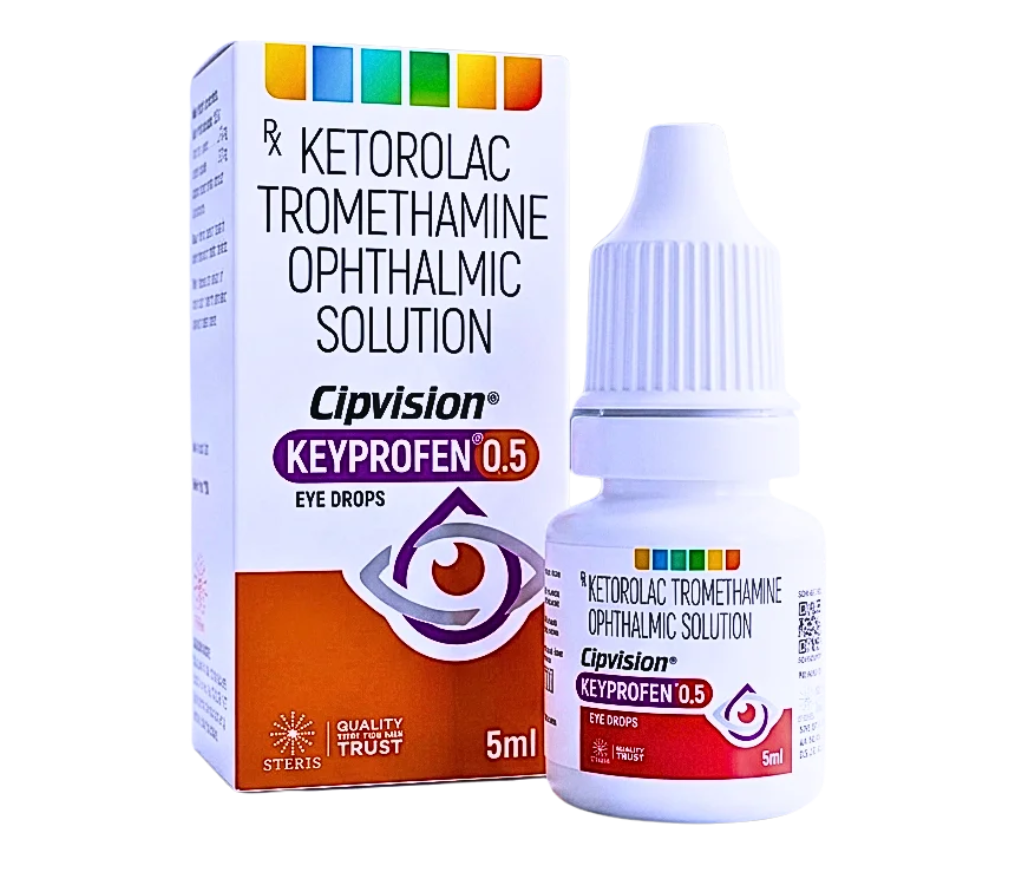
Cipvision Keyprofen 0.5 is the product brand name provided for a Ketorolac Tromethamine Ophthalmic Solution. Ketorolac belongs to a class of medicines called non-steroidal anti-inflammatory drugs (NSAIDs), which help reduce inflammation and associated discomfort in the eye.
Ketorolac eye drops work by inhibiting cyclooxygenase enzymes involved in the production of prostaglandins, substances that contribute to inflammation, pain and itching. Depending on the approved strength and formulation, ketorolac ophthalmic solutions may be prescribed for temporary relief of itching associated with seasonal allergic conjunctivitis or for inflammation following cataract surgery. Certain formulations have different approved uses, so the product label should always be checked. Cipvision Keyprofen 0.5 should be used only according to an ophthalmologist's instructions. Before publishing product-specific claims, confirm the exact strength, approved indications and manufacturer details from the product packaging and prescribing information.
Uses
Ketorolac Tromethamine Ophthalmic Solution may be prescribed for specific eye conditions, depending on its strength and approved indication.
Postoperative eye inflammation: Certain 0.5% formulations are used to manage inflammation following cataract surgery.
Allergic eye itching: Certain formulations are indicated for temporary relief of itching associated with seasonal allergic conjunctivitis.
Postoperative discomfort: Some other ketorolac ophthalmic formulations are approved for reducing pain and burning or stinging following specific corneal refractive procedures.
These uses are formulation-specific and should not automatically be attributed to every ketorolac product. Cipvision Keyprofen 0.5 should not be used to self-treat unexplained eye pain, redness, discharge or changes in vision. An eye examination may be necessary to identify the underlying cause and select the appropriate treatment.
Benefits
When prescribed for an appropriate indication, Ketorolac Tromethamine Ophthalmic Solution may offer several potential benefits.
1. Helps reduce inflammation: Ketorolac inhibits prostaglandin production, helping control inflammatory responses in the eye.
2. Supports postoperative recovery: When prescribed after cataract surgery, an appropriate ketorolac formulation can help manage postoperative inflammation.
3. Helps relieve allergic itching: Formulations approved for seasonal allergic conjunctivitis may temporarily reduce eye itching associated with this condition.
4. Provides targeted ophthalmic treatment: Eye drops deliver medicine directly to the affected eye, allowing topical treatment under the guidance of an eye-care professional.
5. Non-steroidal anti-inflammatory action: Ketorolac is an NSAID rather than a corticosteroid. However, it still has important risks and should not be considered suitable for unrestricted or prolonged use.
The actual benefits depend on the diagnosis, formulation, treatment duration and individual response. These eye drops do not replace an eye examination or other treatment that may be necessary.
Dosage
The correct dosage of Cipvision Keyprofen 0.5 must be determined by the prescribing ophthalmologist and the approved product instructions. Do not assume that dosing instructions for another ketorolac brand or strength apply to this product.
For reference, official prescribing information for certain ketorolac 0.5% ophthalmic solutions specifies one drop four times daily for particular approved indications. The timing and duration differ according to the condition being treated. Follow these general administration steps:
Wash your hands before using the eye drops.
Avoid touching the dropper tip to your eye, eyelids, fingers or other surfaces.
Instil the prescribed number of drops into the affected eye as directed.
If using other eye medicines, ask your ophthalmologist how to space the applications.
Close the bottle securely after use and follow the label's storage instructions.
Do not increase the dose, extend treatment or discontinue postoperative medication without consulting your eye-care professional.
Side Effects
Like other medicines, Cipvision Keyprofen 0.5 may cause side effects. Not everyone experiences them, and their severity can vary.
Possible side effects of ketorolac eye drops include:
Temporary burning or stinging after application.
Eye irritation, redness or discomfort.
Increased tearing or a sensation of something in the eye.
Eye pain or swelling.
Inflammation of the cornea or delayed healing in susceptible patients.
Persistent discomfort, worsening redness, reduced vision or unusual sensitivity to light should be assessed promptly by an ophthalmologist. Stop using the drops and seek urgent medical advice if you experience a serious allergic reaction or significant changes in vision. Corneal complications, although uncommon, can be serious, particularly in patients with pre-existing eye-surface problems or prolonged exposure.
Precautions and Warnings
Before using Cipvision Keyprofen 0.5, tell your ophthalmologist about your medical history, allergies and other medicines.
Allergies: Inform your doctor if you have had allergic reactions to ketorolac, aspirin or other NSAIDs.
Corneal conditions: Patients with corneal defects, dry-eye disease, diabetes or other conditions affecting healing may require additional monitoring.
Bleeding risk: Ketorolac may interfere with platelet function and increase bleeding time. Inform your doctor if you have a bleeding disorder or take medicines that affect blood clotting.
Surgery and healing: Use after eye surgery only as prescribed. NSAID eye drops can delay healing and may increase the risk of corneal complications in susceptible patients.
Contact lenses: Follow the product leaflet and your ophthalmologist's advice about contact lens use during treatment.
Pregnancy and breastfeeding: Seek medical advice before using these drops, particularly during pregnancy.
Other eye medicines: Tell your doctor about all prescription and non-prescription eye drops to avoid inappropriate combinations.
Safe handling: Never share eye drops, and do not use a contaminated or expired bottle.
Seek prompt eye-care assessment if symptoms worsen or fail to improve. Use the medicine for the prescribed duration only.
Conclusion
Cipvision Keyprofen 0.5 is the supplied brand name for a product described as Ketorolac Tromethamine Ophthalmic Solution. Ketorolac is an NSAID that helps reduce eye inflammation and, in certain formulations, provides temporary relief from allergic itching or postoperative discomfort.
The appropriate use, dosage and duration depend on the exact formulation and diagnosis. Follow your ophthalmologist's instructions, observe proper dropper hygiene and report persistent irritation or vision changes. Confirm the product's approved indications and strength from its packaging before relying on brand-specific medical claims.
FAQs
1. What is Cipvision Keyprofen 0.5 used for?
It is described as a Ketorolac Tromethamine Ophthalmic Solution. Ketorolac eye drops may be prescribed for certain types of eye inflammation or allergic itching, depending on the formulation and approved indication.
2. What is the composition of Cipvision Keyprofen 0.5?
The stated active ingredient is Ketorolac Tromethamine. Confirm the exact concentration and complete formulation on the product label.
3. How do Ketorolac Tromethamine eye drops work?
Ketorolac inhibits enzymes involved in prostaglandin production, helping reduce inflammation and associated symptoms such as itching or discomfort.
4. What are the benefits of Ketorolac Tromethamine Ophthalmic Solution?
Depending on the formulation, benefits may include reduced postoperative inflammation or temporary relief of itching caused by seasonal allergic conjunctivitis.
5. What are the common side effects of Cipvision Keyprofen 0.5?
Possible side effects include temporary burning, stinging, irritation, redness and discomfort. Persistent symptoms or vision changes require medical assessment.
6. How should Cipvision Keyprofen 0.5 be used?
Use the drops exactly as prescribed by an ophthalmologist. The dosage and duration depend on the eye condition and the specific product instructions.
7. Can Ketorolac eye drops be used after cataract surgery?
Certain ketorolac 0.5% formulations are indicated for inflammation following cataract surgery. Use Cipvision Keyprofen 0.5 after surgery only if your ophthalmologist confirms it is appropriate.
8. Are Ketorolac eye drops suitable for allergic eye itching?
Certain formulations are approved for temporary relief of itching associated with seasonal allergic conjunctivitis. Not every ketorolac product has the same approved indications.
9. What precautions should be followed when using Ketorolac eye drops?
Avoid touching the dropper tip, inform your doctor about allergies and corneal problems, and follow the prescribed treatment duration. Seek medical advice for worsening symptoms.
10. Can Cipvision Keyprofen 0.5 be used for a long time?
Do not use it for longer than prescribed. Prolonged use of ophthalmic NSAIDs may increase the risk of delayed healing and corneal complications.