
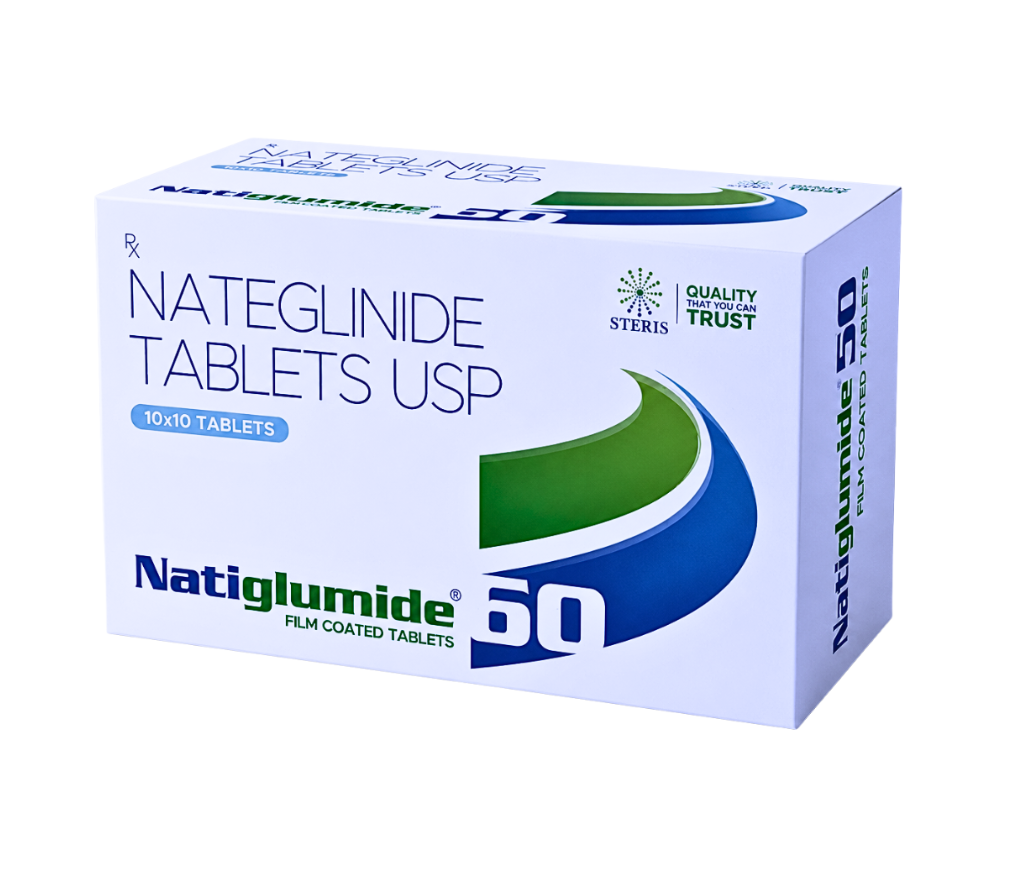
Managing post-meal blood sugar spikes is one of the most critical challenges in diabetes care. Natiglumide 60, manufactured by Steris Healthcare, is a highly targeted, fast-acting prescription medication specifically formulated to address this issue. Containing the active pharmaceutical ingredient nateglinide 60mg, this medication offers an efficient approach to regaining glycemic control for individuals living with Type 2 diabetes.
Introduction
In the journey of DiabetesManagement, controlling sudden blood glucose spikes after eating is crucial to avoiding long-term complications. Natiglumide 60 is a premier Type 2 diabetes prescription medicine designed specifically to regulate these postprandial spikes. The active chemical composition of this drug is nateglinide 60mg, a member of the meglitinide class of oral hypoglycemic agents.
Marketed reliable brands like Steris Healthcare Nateglinide provide patients with a predictable way to achieve stable blood glucose control. For patients diagnosed with Type2Diabetes, maintaining an optimal blood sugar control routine is made substantially easier through the targeted action of nateglinide60mg.
Mechanism of Action
To understand the nateglinide mechanism of action, it helps to view it as a rapid-response trigger for insulin. Unlike older classes of diabetes medications that cause prolonged insulin secretion, Anti-diabetic Nateglinide 60mg acts rapidly and transiently on the pancreatic beta cells.
ATP-Dependent Potassium Channels: Nateglinide binds to specific receptors on pancreatic beta cells, closing ATP-dependent potassium ($K_{ATP}$) channels.
Depolarization: This closure depolarizes the cell membrane, opening voltage-gated calcium channels.
Insulin Release: The influx of calcium triggers the immediate exocytosis (release) of stored insulin.
Because this release mimics the body's natural first-phase insulin response to food, it is considered the best medicine for post meal blood sugar control nateglinide tablets available. It restores early insulin secretion, curbing the liver's glucose production right as carbohydrates are digested.
Uses and Indications
When discussing nateglinide 60 mg tablet uses, its primary application is the treatment of Type 2 diabetes.
Monotherapy: It is indicated as an adjunct to diet and exercise to improve glycemic control in patients with Type 2 diabetes whose hyperglycemia cannot be adequately managed by lifestyle modifications alone.
Combination Therapy: It is frequently prescribed as a Nateglinide 60 mg combination with Metformin or thiazolidinediones when a single drug fails to provide adequate nateglinide 60 mg tablet for type 2 diabetes controlled metrics.
Note for multilingual patients: It is highly sought after as nateglinide 60 mg tablets uses in diabetes treatment in hindi (डायबिटीज के इलाज में उपयोग) due to its specialized action on mealtime sugar management.
Efficacy and Clinical Evidence
Clinical studies demonstrate that nateglinide 60mg significantly reduces HbA1c levels and significantly flattens post-meal glucose curves. Its primary therapeutic value lies in its rapid onset and short duration of action.
Clinical evidence shows that nateglinide 60 mg tablet benefits patients by dramatically lowering the risk of prolonged hyperinsulinemia (excess insulin in the blood between meals). This precise timing significantly reduces the risk of late-afternoon or nighttime low blood sugar compared to traditional long-acting sulfonylureas.
Side Effects and Safety Profile
While highly effective, patients must be aware of nateglinide 60 mg tablet side effects and look out for universal symptoms of glycemic fluctuations.
Common Side Effects
Hypoglycemia: The primary risk factor. If you wonder, can nateglinide 60mg cause low blood sugar levels?, the answer is yes—particularly if a meal is delayed or skipped.
Upper Respiratory Tract Infection (URTI): Mild coughing, cold symptoms, or a runny nose.
Dizziness and Shaking: Often secondary to mild blood sugar dips.
Weight Gain: Mild weight gain can occur, which is a structural feature of many what are the common side effects of diabetes medicines that increase insulin output.
For a deeper dive into managing risks, check the comprehensive medical logs regarding Nateglinide 60 mg dosage and side effects.
Contraindications and Precautions
Before you buy Natiglumide 60 online, ensure you do not fall into any restricted categories.
Who Should Not Take This Medication?
If you are asking who should not take nateglinide 60mg tablets, the following conditions are strictly contraindicated:
Type 1 Diabetes: If you ask, can i take nateglinide if i have type 1 diabetes tablets?, the answer is an absolute no. This medication requires functional beta cells; it will not work for Type 1 diabetes.
Diabetic Ketoacidosis (DKA): This emergency state must be treated exclusively with intravenous insulin.
Severe Hepatic Impairment: The drug is heavily metabolized by the liver.
Drug Interactions
Certain substances can alter how Natiglumide performs in your system:
Enhancers (Increase Hypoglycemia Risk): NSAIDs, salicylates, non-selective beta-blockers, and MAO inhibitors.
Diminishers (Reduce Efficacy): Thiazides, corticosteroids, thyroid products, and sympathomimetics can raise blood sugar, counteracting the medicine.
Alcohol: Can i drink alcohol while taking nateglinide 60mg tablets? It is highly discouraged. Alcohol prolongs the hypoglycemic effects of diabetes medicines and can lead to dangerous, unpredictable drops in blood glucose.
Warnings and Regulatory Status
Natiglumide 60 is a Schedule H prescription drug in India, meaning it cannot be purchased legally without a valid order from a registered medical practitioner. Regular monitoring of HbA1c levels (typically every 3 months) and routine liver function tests are recommended by regulatory guidelines to ensure long-term usage safety.
Patient Advice and Tips
When and How Should I Take This Medication?
When determining nateglinide 60 mg how to use before or after food in hindi or English, follow the "No Meal, No Dose" rule.
Nateglinide 60 mg before food: Take your dose strictly 15 to 30 minutes before your main meals.
Missed Meal: If you skip a meal, skip that specific dose to prevent acute hypoglycemia.
Missed Dose: If you ask, what should i do if i miss a dose of insulin type 2 or oral secretagogues like nateglinide right before a meal? Simply skip it and take your next regular dose before your next major meal. Never take a double dose to make up for a missed one.
Storage
If you need to know how should nateglinide 60mg tablets be stored in residential settings: Store them in a cool, dry, and dark place below 30°C. Keep the tablets in their original blister packaging to protect them from moisture and out of reach of children.
5 Frequently Asked Questions (FAQs)
1. What is Nateglinide 60mg Tablet used for?
Natiglumide 60 is used to treat Type 2 diabetes by lowering blood sugar peaks that occur immediately after meals, helping to maintain a balanced daily glycemic profile.
2. How does Nateglinide 60mg Tablet work?
It stimulates the pancreas to release an immediate, short burst of insulin right after consumption, matching your body’s glucose intake during a meal.
3. When should i take nateglinide 60mg tablet in india?
It should be taken 15 to 30 minutes before your morning breakfast, lunch, and dinner. If you skip any of these meals, skip the corresponding tablet entirely.
4. What are the common side effects of nateglinide 60mg tablets?
The most common side effects include mild hypoglycemia (low blood sugar), temporary dizziness, sweating, and occasional upper respiratory tract irritation.
5. Can I use Natiglumide 60 along with my regular Metformin prescription?
Yes. Doctors frequently combine these two medications because they utilize different pathways to manage blood sugar, providing enhanced glycemic control.
Conclusion
Natiglumide 60 provides an elegant, targeted approach to managing post-meal glucose spikes in Type 2 diabetes patients. By delivering rapid insulin stimulation exactly when your body needs it most, it avoids the prolonged hypoglycemic risks linked with older diabetic medications. Speak with your healthcare provider to see if this option fits your ongoing management routine.