
What Is Nateglinide 60 mg?
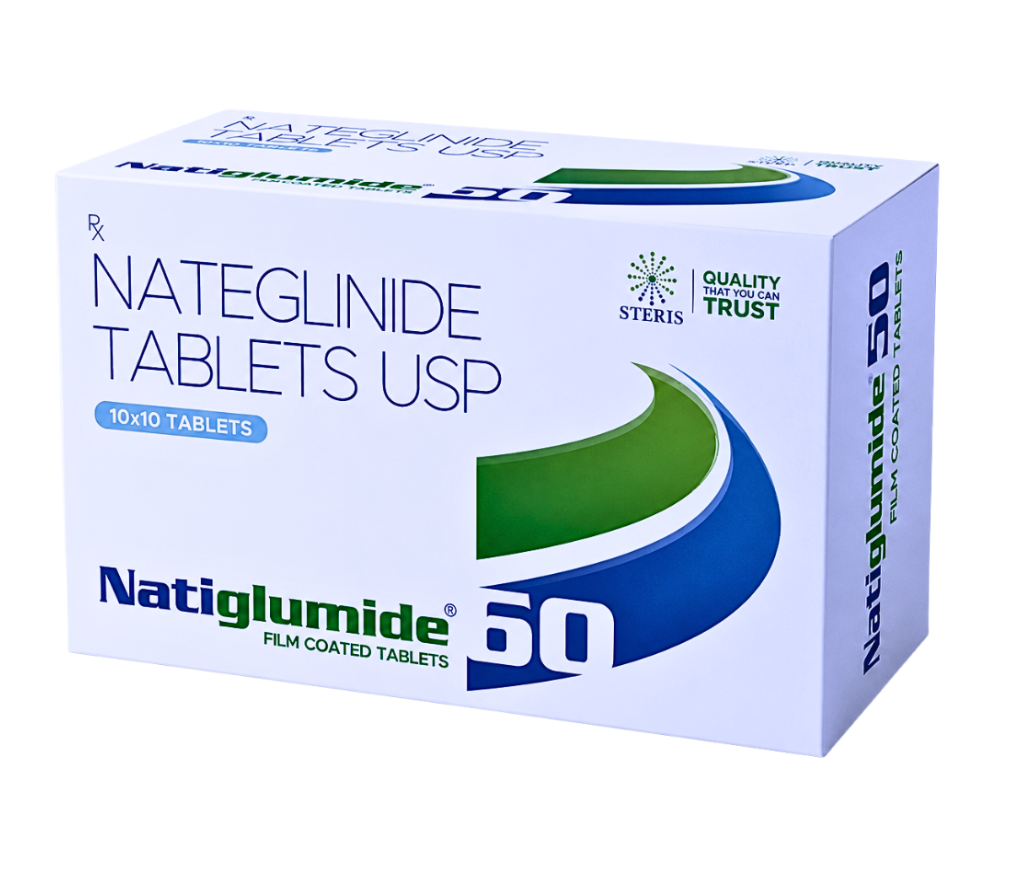
Natiglumide 60 is a prescription oral antidiabetic tablet containing nateglinide 60 mg as its active pharmaceutical ingredient. It belongs to the meglitinide class of drugs — a group of fast-acting insulin secretagogues specifically designed to control post-meal (postprandial) blood sugar spikes in adults diagnosed with Type 2 Diabetes Mellitus (T2DM).
Unlike long-acting diabetes medications that work throughout the day, nateglinide 60 mg tablets act rapidly and briefly — stimulating the pancreas to release insulin only when food is consumed. This targeted mechanism makes Natiglumide 60 one of the most precise mealtime blood sugar control options available today.
Nateglinide tablets USP 60 mg conform to United States Pharmacopeia standards, ensuring pharmaceutical-grade purity, potency, and consistency in every tablet. Whether you are a patient, caregiver, or healthcare provider in India or abroad, this guide provides medically accurate, easy-to-understand information about nateglinide 60 mg brand name Natiglumide 60 — covering uses, dosing, side effects, price, and more.
What Is Nateglinide 60 mg Used For?
Nateglinide 60 mg is primarily used to manage Type 2 Diabetes Mellitus in adults. Its specific therapeutic role is to reduce postprandial hyperglycemia — the dangerous rise in blood sugar that occurs within 1–2 hours after eating.
Primary Uses of Natiglumide 60:
Postprandial Blood Glucose Control: The most important use of nateglinide tab 60 mg is controlling blood sugar spikes after breakfast, lunch, and dinner. When taken 1–30 minutes before each major meal, it triggers a rapid burst of insulin release, blunting the post-meal glucose surge.
Adjunct to Diet and Exercise: Nateglinide 60 mg tablets are prescribed alongside a structured diabetes diet plan and regular physical activity. It is not a substitute for lifestyle management but rather a powerful pharmacological tool to complement it.
Combination Therapy with Metformin: For patients whose blood sugar is not adequately controlled by metformin alone, nateglinide 60 mg oral tablet is frequently added as a combination partner. The two drugs work through entirely different mechanisms — metformin reduces glucose production in the liver, while nateglinide stimulates meal-time insulin — making the combination highly effective.
Patients Sensitive to Hypoglycemia: Because nateglinide's action is meal-dependent and short-lived, it carries a significantly lower risk of hypoglycemia (low blood sugar) compared to older sulfonylurea drugs like glibenclamide. It is therefore preferred in elderly patients or those with irregular meal schedules.
HbA1c Reduction: Regular use of nateglinide tablets 60 mg as prescribed contributes to a meaningful reduction in HbA1c (glycated hemoglobin), the 3-month average blood sugar marker used to assess long-term diabetes control.
What Nateglinide 60 mg Is NOT Used For:
It is not indicated for Type 1 Diabetes, where the pancreas produces no insulin at all.
It is not suitable for diabetic ketoacidosis.
It is not a weight-loss drug, though its meal-time specificity can support healthier eating patterns.
Clinical Insight: According to standard diabetes management guidelines, targeting postprandial glucose is as important as fasting glucose control. Patients with well-controlled fasting sugars but elevated post-meal levels remain at increased cardiovascular risk. Natiglumide 60 directly addresses this gap.
How Does Natiglumide 60 (Nateglinide 60 mg) Work?
Understanding the mechanism of action helps patients take the medication correctly and appreciate why timing matters so much.
Nateglinide 60 mg works by binding to specific ATP-sensitive potassium (K-ATP) channels on the surface of beta cells in the pancreas. Here is the step-by-step process:
You consume a meal → blood glucose begins to rise.
Natiglumide 60 (taken just before the meal) binds to K-ATP channels on pancreatic beta cells.
This binding closes the channels, causing membrane depolarization.
Calcium ions flow into the beta cell, triggering insulin secretion.
The released insulin facilitates glucose uptake into cells, lowering blood sugar back to normal range.
As blood glucose normalizes, nateglinide's stimulation naturally diminishes — preventing excessive insulin release and thus reducing hypoglycemia risk.
The entire action of nateglinide 60 mg oral tablet begins within 20 minutes of ingestion and is largely complete within 4 hours. This rapid, meal-linked activity is what sets it apart from older, longer-acting diabetes drugs.
Nateglinide 60 mg Dosage & How to Take It
Standard Dosage:
Key Dosing Rules:
Always take Natiglumide 60 before meals — not during or after.
The dose is tied to each meal. If you skip a meal, skip the tablet.
Swallow the tablet whole with a glass of water.
Do not crush, chew, or split the tablet unless your doctor advises otherwise.
Doses can be escalated to nateglinide 120 mg per meal if 60 mg provides inadequate control — only under medical supervision.
Can You Take Nateglinide After a Meal?
This is one of the most frequently asked questions about nateglinide tab 60 mg, and the answer is nuanced.
The Recommended Window:
Nateglinide 60 mg should ideally be taken 1 to 30 minutes before a meal. This timing allows the drug to be absorbed and begin stimulating insulin release precisely as glucose from food starts entering the bloodstream. The synchronization of drug action and food-derived glucose is the core principle of its effectiveness.
What Happens If You Take It After a Meal?
Taking nateglinide 60 mg oral tablet after eating significantly changes its clinical profile:
Delayed Peak Insulin: Nateglinide's insulin-stimulating effect will peak after blood sugar has already risen substantially, reducing its effectiveness at blunting the postprandial spike.
Prolonged Action Risk: When taken after food, nateglinide may continue acting after the glucose load has been absorbed, increasing the risk of hypoglycemia (blood sugar dropping too low).
Reduced Efficacy: Clinical studies show that the glycemic benefit of nateglinide is substantially reduced when taken 30+ minutes after a meal begins.
Can You Take It Right at the Start of the Meal?
Yes. If you forgot to take it beforehand and are just beginning to eat, taking Natiglumide 60 at the very start of the meal is acceptable. However, if the meal is already halfway done or complete, it is generally safer to skip that dose rather than risk hypoglycemia.
Practical Tip:
Keep your Natiglumide 60 tablets at the dining table as a reminder. The habit of taking your tablet just before sitting down to eat is the single most important behavioral practice for this medication's success.
Important: Never double up on a missed dose. Always consult your doctor or pharmacist if you are unsure.
Does Nateglinide Cause Weight Gain?
Weight management is a critical concern for people with Type 2 Diabetes, and patients frequently ask whether nateglinide 60 mg tablets contribute to weight gain.
The Short Answer: Minimal to No Significant Weight Gain
Compared to sulfonylureas (like glipizide or glibenclamide) and insulin therapy, nateglinide is associated with significantly less weight gain and in many patients, essentially neutral weight effects.
Why the Weight Impact Is Low:
Meal-Dependent Action: Because nateglinide only stimulates insulin when you eat, it does not cause chronic baseline hyperinsulinemia (persistently high insulin levels), which is a major driver of weight gain with other diabetes drugs.
Short Duration: The drug's brief 3–4 hour activity window means there is minimal insulin circulating during fasting periods — fasting insulin promotes fat storage.
No Appetite Stimulation: Unlike some diabetes medications, nateglinide does not directly stimulate appetite or cause food cravings.
Hypoglycemia-Driven Overeating is Rare: Drugs that frequently cause hypoglycemia often lead to compensatory overeating, which drives weight gain. The low hypoglycemia risk of nateglinide 60 mg reduces this cycle.
What the Evidence Shows:
Multiple clinical trials comparing nateglinide to glibenclamide found that patients on nateglinide gained significantly less weight — and in some cases maintained stable body weight — over 6–12 months of treatment. When combined with metformin (which itself is weight-neutral or modestly weight-reducing), nateglinide 60 mg tablets represent one of the more weight-friendly oral antidiabetic combinations available.
Practical Lifestyle Note:
Weight outcomes always depend on diet and physical activity. Natiglumide 60 gives you the pharmacological advantage of minimal weight-promoting insulin activity, but pairing it with a calorie-conscious diet and regular exercise will deliver the best results for both blood sugar control and weight management.
Nateglinide 60 mg Side Effects
Like all medications, nateglinide 60 mg oral tablet can cause side effects. Most are mild and manageable, but patients should be aware of what to watch for.
Common Side Effects:
Signs of Hypoglycemia to Recognize:
Sudden sweating
Trembling or shakiness
Heart palpitations
Confusion or difficulty concentrating
Pale skin
Intense hunger
If you experience these symptoms, consume fast-acting sugar (glucose gel, fruit juice, or regular soft drink) immediately and contact your healthcare provider.
Serious but Rare Side Effects:
Severe hypoglycemia — more likely if a meal is skipped after taking the tablet
Allergic reactions — rash, itching, swelling of face/lips/tongue (seek emergency care)
Liver enzyme elevations — rare; your doctor may monitor liver function periodically
Who Is More at Risk for Side Effects:
Patients who skip meals after taking the tablet
Those who engage in intense exercise without adjusting food intake
Elderly patients with reduced kidney function
Patients taking other blood-sugar-lowering drugs simultaneously
Note: This list covers the most clinically relevant side effects of nateglinide 60 mg. Always read the patient information leaflet included with Natiglumide 60 and consult your prescribing doctor for personalized guidance.
Who Should Avoid Natiglumide 60?
Nateglinide 60 mg tablets are contraindicated (should not be used) in certain patient groups:
Type 1 Diabetes patients — the pancreas cannot produce insulin, so stimulating it has no effect.
Diabetic Ketoacidosis (DKA) — requires emergency insulin therapy.
Severe liver disease — nateglinide is metabolized in the liver; impaired function changes drug clearance.
Pregnancy and breastfeeding — safety has not been established; insulin is the preferred agent.
Children and adolescents — not approved for patients under 18 years.
Known hypersensitivity to nateglinide or any tablet excipient.
Use with caution in:
Elderly patients (start at 60 mg, monitor closely)
Moderate renal impairment
Patients on NSAIDs, beta-blockers, or MAO inhibitors (drug interactions possible)
Nateglinide 60 mg Price & Cost in India
One of the most searched queries from Indian patients is nateglinide 60 mg price and nateglinide 60 mg cost. Here is what you need to know:
Natiglumide 60 Pricing Overview (India):
Prices may vary by city, pharmacy, and whether purchased at retail or through generic/Jan Aushadhi stores. Always ask your pharmacist for the MRP (Maximum Retail Price) printed on the packaging.
How to Save on Nateglinide 60 mg Cost:
Purchase from Jan Aushadhi Kendras (Government generic drug stores) for significant savings.
Ask your doctor if a 3-month prescription can be written to save on per-strip cost.
Compare prices at online pharmacies (1mg, Netmeds, PharmEasy) which often offer discounts.
Check if your health insurance or CGHS/ESIC coverage includes antidiabetic oral drugs.
Nateglinide 60 mg Brand Name Options:
While Natiglumide 60 is the focus of this guide, other nateglinide 60 mg brand name options available in India include Starlix 60, Glinate 60, and various generic formulations. All contain the same active molecule — nateglinide 60 mg — and should be therapeutically equivalent when sourced from reputable manufacturers.
Nateglinide 60 mg Uses in Hindi
नेटेग्लिनाइड 60 मिग्रा के उपयोग (Nateglinide 60 mg Uses in Hindi)
नेटेग्लिनाइड 60 मिग्रा (ब्रांड नाम: Natiglumide 60) एक एंटीडायबिटिक (मधुमेहरोधी) दवा है जो टाइप 2 मधुमेह (Type 2 Diabetes) के इलाज में उपयोग की जाती है।
मुख्य उपयोग:
खाने के बाद बढ़ने वाली शुगर को नियंत्रित करना — यह दवा भोजन के बाद रक्त में शर्करा (ब्लड शुगर) के स्तर को तेजी से बढ़ने से रोकती है।
इंसुलिन स्राव को उत्तेजित करना — यह अग्न्याशय (पैंक्रियाज) की बीटा कोशिकाओं को भोजन के समय इंसुलिन छोड़ने के लिए प्रेरित करती है।
मेटफॉर्मिन के साथ संयोजन — जब अकेले मेटफॉर्मिन से शुगर नियंत्रण नहीं होता, तब डॉक्टर Natiglumide 60 भी साथ में लिखते हैं।
कैसे लें:
प्रत्येक मुख्य भोजन (नाश्ता, दोपहर का खाना, रात का खाना) से 1 से 30 मिनट पहले एक गोली लें।
यदि भोजन छोड़ दें, तो वह खुराक भी छोड़ दें।
डॉक्टर की सलाह के बिना खुराक न बदलें।
सावधानियां:
अगर चक्कर आएं, पसीना आए, या कंपकंपी हो, तो तुरंत कुछ मीठा खाएं — यह हाइपोग्लाइसीमिया (लो ब्लड शुगर) के लक्षण हो सकते हैं।
गर्भवती महिलाएं और स्तनपान कराने वाली माताएं यह दवा डॉक्टर की सलाह के बिना न लें।
टाइप 1 डायबिटीज में यह दवा उपयोगी नहीं है।
Natiglumide 60 की कीमत भारत में लगभग ₹35 से ₹55 प्रति 10 गोलियों की पट्टी है। जन औषधि केंद्र पर यह और भी कम दाम में मिल सकती है।
Frequently Asked Questions (FAQs)
Q1. What is the difference between nateglinide 60 mg and nateglinide 120 mg?
Nateglinide 60 mg is the starting dose, typically used when beginning therapy or in patients sensitive to hypoglycemia. Nateglinide 120 mg is the full therapeutic dose for patients requiring stronger postprandial glucose control. Your doctor will advise which strength is appropriate. Both strengths should be taken 1–30 minutes before meals.
Q2. Is Natiglumide 60 safe for kidney patients?
Nateglinide is primarily metabolized by the liver, not the kidneys, which makes it relatively safer than some other diabetes medications in patients with mild-to-moderate chronic kidney disease (CKD). However, patients with severe renal impairment should use it cautiously and only under medical supervision.
Q3. Can nateglinide 60 mg tablets be taken with metformin?
Yes. The combination of nateglinide 60 mg + metformin is one of the most commonly prescribed dual-therapy regimens in Type 2 Diabetes management. They work synergistically — metformin reduces hepatic glucose output, while nateglinide controls post-meal spikes. Fixed-dose combination tablets containing both drugs are also available.
Q4. How long does nateglinide 60 mg take to work?
Nateglinide 60 mg oral tablet begins to stimulate insulin release within 20 minutes of ingestion. Peak insulin levels occur at approximately 1 hour. The glucose-lowering effect is mostly complete within 3–4 hours — making it ideal for meal-time blood sugar control without prolonged risk.
Q5. Can I take nateglinide 60 mg if I have liver disease?
Nateglinide is extensively metabolized by the liver. In patients with severe hepatic impairment, drug clearance may be significantly reduced, increasing the risk of hypoglycemia and side effects. It is contraindicated in severe liver disease. Mild-to-moderate liver conditions should be discussed with your physician before starting Natiglumide 60.
Q6. Is nateglinide available over the counter in India?
No. Nateglinide 60 mg tablets are a Schedule H prescription drug in India. You need a valid prescription from a registered medical practitioner to purchase Natiglumide 60 from any pharmacy.
Q7. What should I do if I miss a dose of Natiglumide 60?
If you have not yet started eating, take the missed dose immediately. If you are already mid-meal or have finished eating, skip the missed dose entirely. Never take two doses together or take a dose without eating shortly after — this risks hypoglycemia.
Q8. Can nateglinide 60 mg be used in elderly patients?
Yes, with caution. The 60 mg dose is preferred as the starting point for elderly patients due to their increased risk of hypoglycemia and possible reduced kidney/liver function. Regular blood glucose monitoring is recommended. The physician will determine if dose escalation is appropriate.
Summary: Why Choose Natiglumide 60?
Natiglumide 60 Nateglinide 60 mg stands out as a precisely targeted, well-tolerated, and cost-effective oral antidiabetic option for adults with Type 2 Diabetes who struggle with postprandial blood sugar control. Its key advantages include: