
Introduction
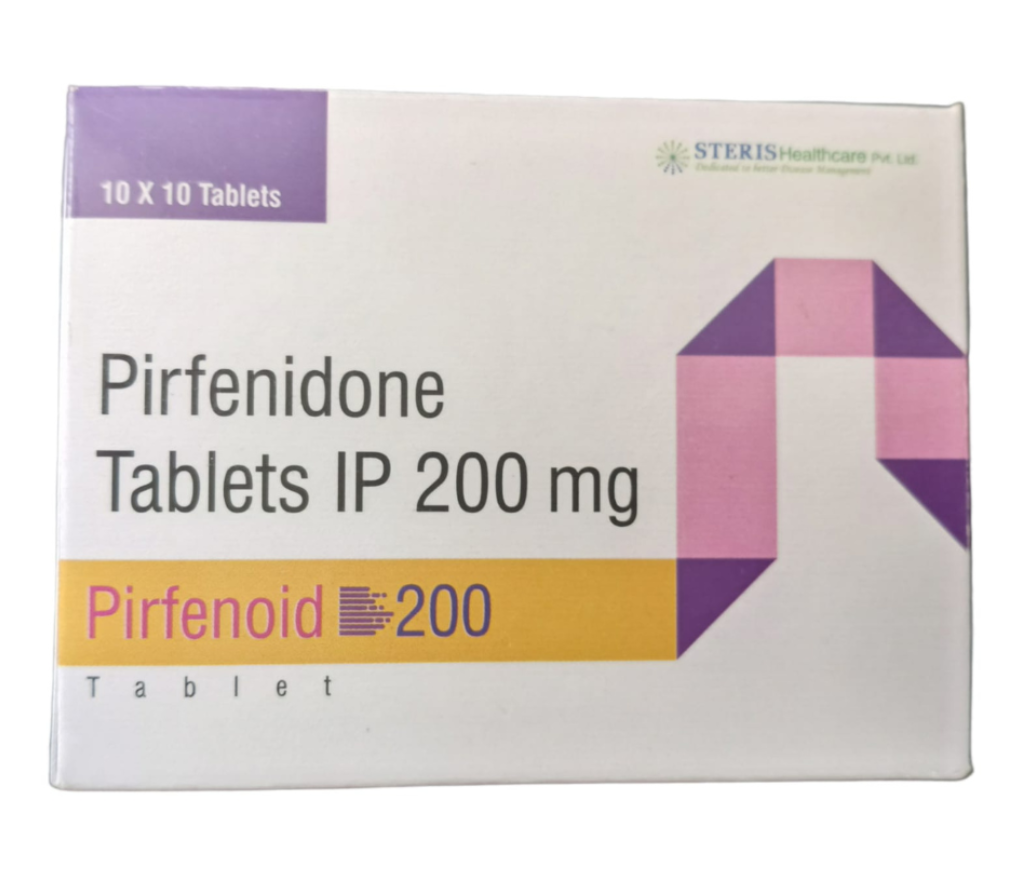
Pirfenidone 200 is formulated with Pirfenidone 200mg as the active chemical composition. It is widely recognized for its role in managing idiopathic pulmonary fibrosis (IPF), a chronic and irreversible lung disorder characterized by lung tissue scarring and fibrosis. By reducing fibrosis, Pirfenidone helps slow disease progression and improve respiratory function.
Mechanism of Action
The therapeutic effect of pirfenidone is achieved through multiple mechanisms:
It reduces fibrotic processes by inhibiting key pro-fibrotic cytokines, especially Transforming Growth Factor-beta (TGF-β), which is responsible for stimulating scar tissue formation in the lungs.
It exhibits strong anti-inflammatory properties by downregulating inflammatory cytokines such as tumor necrosis factor-alpha (TNF-α), interleukins (IL-1, IL-6), and platelet-derived growth factor (PDGF).
Pirfenidone inhibits collagen synthesis and fibroblast proliferation, preventing stiffening and thickening of lung tissues.
It also has antioxidant effects that neutralize free radicals, reducing oxidative stress, which contributes to lung tissue damage in IPF.
This multi-targeted approach makes pirfenidone effective in managing fibrotic lung diseases.
Pirfenidone 200mg Uses
Pirfenidone 200mg is primarily indicated for:
Treatment of idiopathic pulmonary fibrosis (IPF) to slow down disease progression.
Management of lung fibrosis by reducing inflammation and scarring.
It is not a steroid but works through distinct antifibrotic and anti-inflammatory pathways.
Efficacy and Clinical Evidence
Clinical studies demonstrate that pirfenidone significantly slows the decline in lung function in IPF patients, improves exercise tolerance, and enhances quality of life. It has been approved in many countries based on evidence from randomized controlled trials showing decreased pulmonary fibrosis progression and reduced mortality risks.
Side Effects and Safety Profile
Common side effects include:
Gastrointestinal symptoms such as nausea, dyspepsia, and diarrhea.
Skin reactions including rash and photosensitivity.
Fatigue and dizziness in some patients.
These side effects are generally manageable with dose adjustments and supportive care.
Contraindications and Precautions
Pirfenidone is contraindicated in patients with:
Known hypersensitivity to pirfenidone or any of its ingredients.
Significant liver or kidney impairment requiring caution and regular monitoring.
Patients should avoid excessive sun exposure due to photosensitivity risk, and liver function tests should be performed regularly during therapy.
Drug Interactions
Pirfenidone is metabolized primarily by CYP1A2 enzyme; hence, drugs that inhibit or induce this enzyme (e.g., fluvoxamine, ciprofloxacin) can affect pirfenidone blood levels. Caution with other hepatotoxic or photosensitizing agents is advised.
Warnings and Regulatory Status
Approved by major health regulatory bodies worldwide, pirfenidone 200mg carries warnings regarding liver function, potential for photosensitivity reactions, and drug interactions. Patients should be closely monitored during treatment
Patient Advice and Tips
Take pirfenidone with food to reduce gastrointestinal discomfort.
Protect skin from sunlight and wear sunscreen.
Regularly monitor liver function tests as advised by your healthcare provider.
Report any persistent side effects to your doctor promptly.
Adherence to prescribed doses is important for optimal results.
Availability
Pirfenidone 200mg is available as oral tablets under brand names like PIRFENOID 200, produced by pharmaceutical companies such as Steris Healthcare Pvt Ltd.
Frequently Asked Questions
Is pirfenidone a steroid?
No, pirfenidone is not a steroid. It is an antifibrotic and anti-inflammatory agent that acts by inhibiting cytokines involved in fibrosis, distinct from steroids.What is the main chemical in Pirfenidone 200?
The active chemical is Pirfenidone 200mg, a small molecule with antifibrotic properties.How should pirfenidone be taken?
Orally, usually with food to minimize nausea.What conditions does pirfenidone treat?
Primarily idiopathic pulmonary fibrosis (IPF).What are common side effects of pirfenidone?
Includes nausea, rash, and photosensitivity.
Why Choose Steris Healthcare Pvt Ltd?
Steris Healthcare Pvt Ltd offers quality-assured PIRFENOID 200 with strict adherence to manufacturing standards, ensuring effective and safe treatment options for patients with fibrotic lung diseases. Their distribution efficiency and commitment to patient education also support optimal disease management.