

Introduction
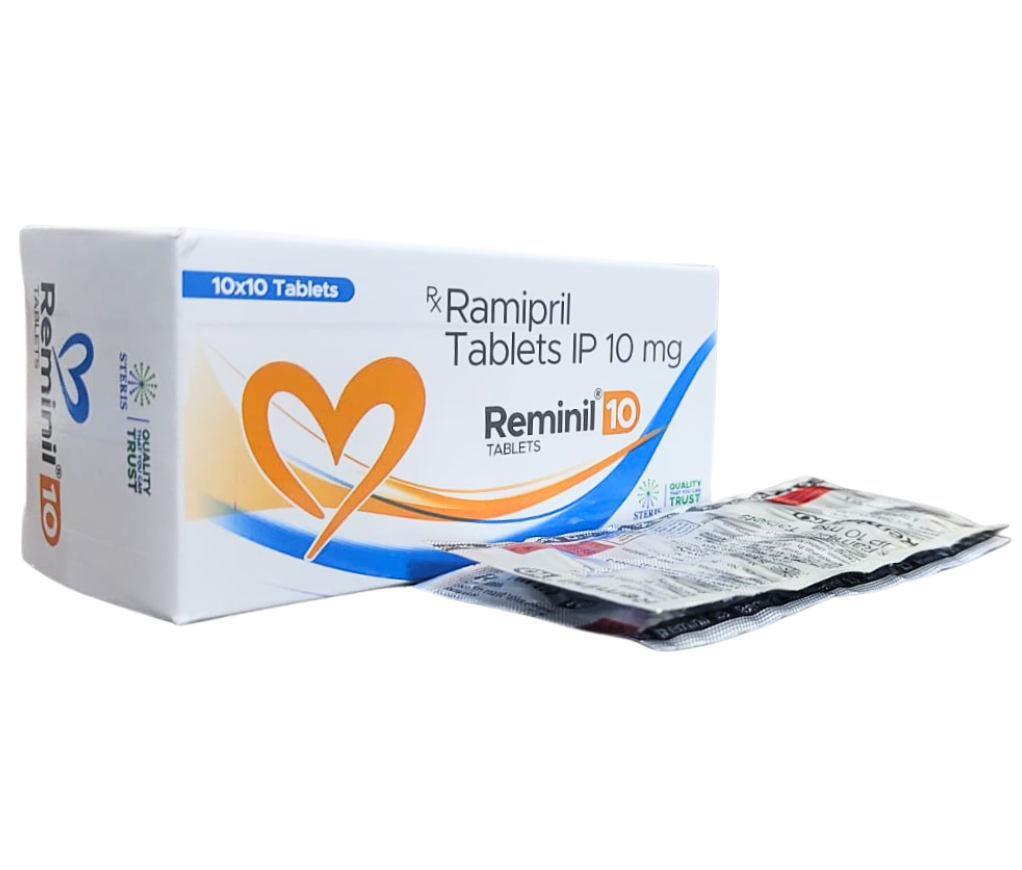
Ramipril 10 mg is widely prescribed to control hypertension and prevent cardiovascular complications. The formulation branded as REMINIL 10 provides an optimal dose of ramipril that helps patients manage their blood pressure and reduce the risk of serious heart problems. Additionally, ramipril 10 mg tablet is used after heart attacks and in heart failure to improve cardiac function and survival.
Mechanism of Action
Ramipril works by inhibiting the angiotensin-converting enzyme (ACE), which blocks the conversion of angiotensin I to angiotensin II, a potent vasoconstrictor. This reduction in angiotensin II leads to vasodilation (relaxation of blood vessels), decreased aldosterone secretion (leading to reduced sodium and water retention), and lower blood pressure. By decreasing the vasoconstrictive and volume-increasing effects of angiotensin II, ramipril improves blood flow and reduces the workload on the heart
Uses and Indications
Ramipril 10 mg is indicated for:
Treatment of essential hypertension to lower high blood pressure.
Reduction of risk for heart attack, stroke, and cardiovascular death in people with heart disease or risk factors.
Management of heart failure, especially after myocardial infarction (heart attack).
Protection of kidney function in diabetic patients with proteinuria (off-label use).
Efficacy and Clinical Evidence
Clinical trials demonstrate that ramipril 10 mg effectively lowers both systolic and diastolic blood pressure, reduces cardiovascular events, and decreases mortality in patients with high cardiovascular risk. It has been shown to improve survival rates when started early after heart attacks and to delay progression of heart failure. Its efficacy is comparable across various age groups and different populations.
Side Effects and Safety Profile
Common ramipril 10 mg side effects include:
Cough (dry, persistent)
Dizziness or lightheadedness, especially on standing (due to blood pressure lowering)
Headache
Fatigue
Gastrointestinal symptoms like nausea
Elevated blood potassium levels (hyperkalemia)
Serious but rare effects include angioedema (swelling of face/throat), kidney impairment, and allergic reactions. Regular monitoring of kidney function and serum electrolytes is recommended during treatment.
Contraindications and Precautions
Ramipril is contraindicated in:
Patients with a history of angioedema related to previous ACE inhibitor use.
Severe renal impairment or bilateral renal artery stenosis.
Pregnancy and breastfeeding due to risk of fetal harm.
Precautions include careful use in patients with low blood pressure, dehydration, kidney dysfunction, or high potassium levels. Dose adjustments may be needed in renal impairment.
Drug Interactions
Ramipril may interact with:
Potassium-sparing diuretics or potassium supplements (risk of hyperkalemia).
Nonsteroidal anti-inflammatory drugs (NSAIDs) which may reduce antihypertensive effect.
Other antihypertensives with additive blood pressure lowering effects.
Lithium (increased lithium toxicity).
Diuretics causing volume depletion (risk of hypotension).
Patients should inform healthcare providers of all medications to avoid adverse interactions.
Warnings and Regulatory Status
REMINIL 10 (ramipril 10 mg) is a prescription-only medicine approved by health regulatory authorities for hypertension and cardiovascular risk reduction. Warnings highlight the risk of hypotension, especially in volume-depleted patients, hyperkalemia, renal function impairment, and rare angioedema. Regular follow-up and laboratory monitoring are essential
Patient Advice and Tips
Take ramipril 10 mg tablet exactly as prescribed, preferably at the same time daily.
It can be taken with or without food.
Avoid sudden standing to reduce dizziness risk.
Do not discontinue without consulting your doctor even if you feel well.
Report any signs of swelling, difficulty breathing, severe dizziness, or persistent cough promptly.
Maintain scheduled blood tests to monitor kidney and electrolyte status.
Limit potassium-rich foods or supplements unless advised otherwise.
Availability
REMINIL 10 tablets are available in various pharmacies, supplied by Steris Healthcare Pvt Ltd, known for high-quality manufacturing standards and affordable pricing. Steris Healthcare ensures patients receive effective and safe ramipril 10 mg tablets backed by regulatory compliance.
Frequently Asked Questions
What are the side effects of ramipril 10 mg?
Common side effects include cough, dizziness, headache, and elevated potassium levels. Serious allergic reactions are rare but require immediate attention.How does ramipril 10 mg work?
It blocks ACE enzyme, reducing angiotensin II levels, leading to vasodilation and lowered blood pressure.Can ramipril 10 mg be taken with food?
Yes, it can be taken with or without food.Is regular monitoring required while on ramipril?
Yes, blood pressure, kidney function, and electrolytes should be regularly checked.Why choose Steris Healthcare Pvt Ltd for REMINIL 10?
Steris Healthcare provides reliable, high-quality, and affordable ramipril 10 mg tablets, ensuring consistent efficacy and safety for patients.
Conclusion
Ramipril 10 mg (REMINIL 10) is an essential medication in managing hypertension and reducing cardiovascular risks. Its well-established mechanism, proven efficacy, manageable safety profile, and trustworthy supply by Steris Healthcare Pvt Ltd make it a prudent choice for long-term cardiovascular health management. Patients should adhere strictly to prescribed regimens and consult healthcare providers for personalized advice and monitoring.