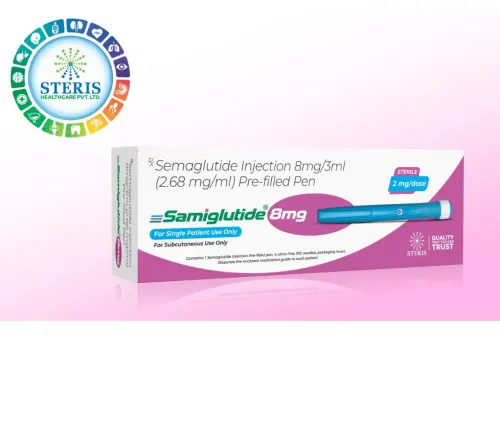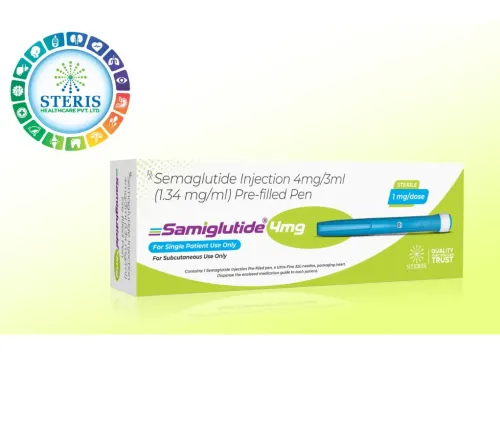

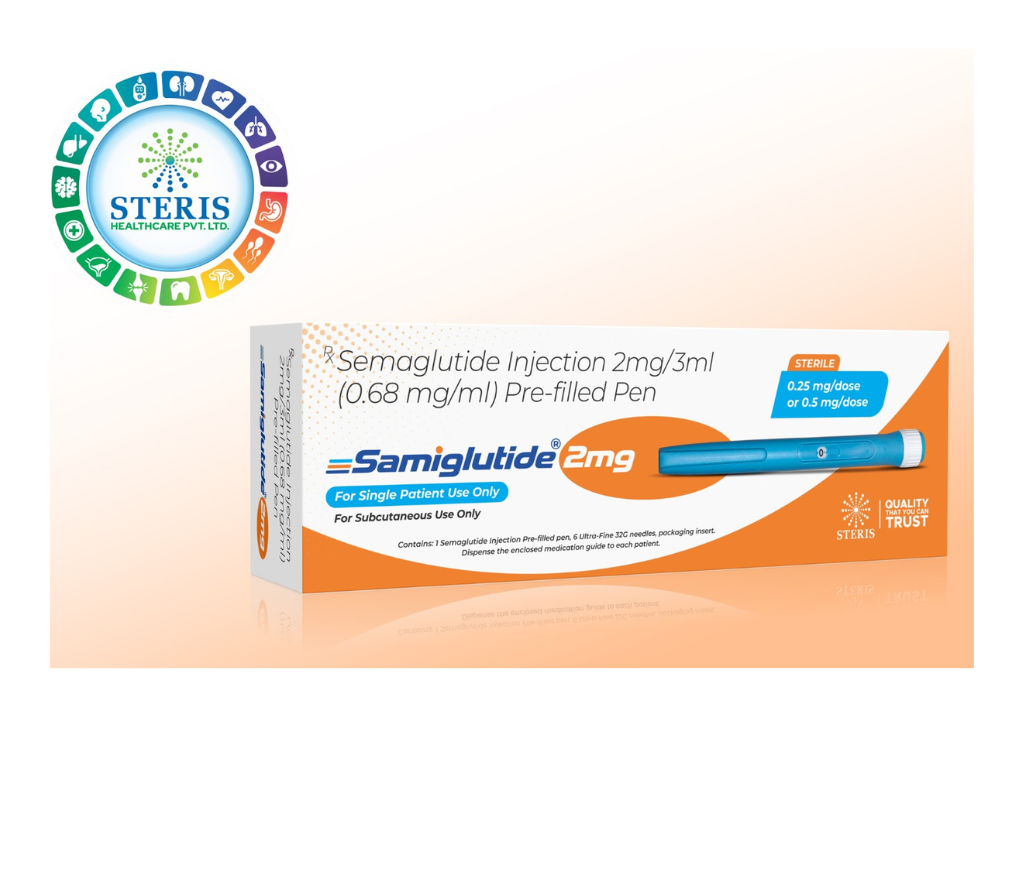
Semaglutide injection 2 mg/3 mL (0.68 mg/mL) pre-filled pen is a prescription injectable medicine containing semaglutide, a glucagon-like peptide-1 (GLP-1) receptor agonist. It is primarily used as part of a comprehensive treatment plan for eligible adults with type 2 diabetes, alongside appropriate diet and physical activity. Semaglutide works by helping the body release insulin when blood glucose is elevated, reducing glucagon secretion, and slowing gastric emptying.
Importantly, the 2 mg/3 mL (0.68 mg/mL) strength is the total amount of semaglutide in the pen, not a 2 mg dose delivered with every injection. The current U.S. prescribing information identifies this pen as delivering 0.25 mg or 0.5 mg per injection.
Uses of Semaglutide Injection
Semaglutide injection 2 mg/3 mL (0.68 mg/mL) pre-filled pen may be prescribed for blood-glucose management in adults with type 2 diabetes. It is generally used together with diet and exercise rather than as a replacement for healthy lifestyle measures.
Its potential clinical uses include:
Supporting blood-glucose control in adults with type 2 diabetes
Helping improve glycemic control when prescribed as part of an appropriate treatment plan
Supporting longer-term diabetes management alongside diet and physical activity
Providing once-weekly GLP-1 receptor agonist therapy
Semaglutide is not insulin and is not intended to replace insulin therapy where insulin is medically required. It is also not indicated for treating diabetic ketoacidosis or type 1 diabetes.
Key Benefits
The main benefit of semaglutide is its ability to influence several physiological processes involved in blood-glucose regulation.
1. Helps Control Blood Sugar
Semaglutide stimulates glucose-dependent insulin secretion and reduces glucagon secretion, helping lower elevated blood glucose. Because these effects are glucose-dependent, its mechanism differs from medicines that directly supply insulin.
2. Convenient Once-Weekly Administration
For approved products and prescribed regimens, semaglutide injection is administered subcutaneously once weekly. This can make treatment convenient compared with medicines requiring more frequent administration. The 2 mg/3 mL pen can deliver 0.25 mg or 0.5 mg doses according to the applicable product instructions.
3. May Support Weight Reduction
GLP-1 receptor agonists can reduce appetite and food intake, and semaglutide treatment may result in weight loss. However, the indication and approved dose for weight management depend on the specific semaglutide product. Patients should not use a diabetes formulation or change its dose specifically for weight loss without medical guidance.
4. Supports Comprehensive Diabetes Management
When appropriately prescribed, semaglutide can form part of a broader diabetes-management strategy involving nutrition, physical activity, glucose monitoring, and regular medical follow-up.
Dosage and Administration
The dose of semaglutide injection 2 mg/3 mL (0.68 mg/mL) must be individualized by a healthcare professional.
For the corresponding 2 mg/3 mL pen, prescribing information describes a starting dose of 0.25 mg once weekly for four weeks, followed by 0.5 mg once weekly, according to the prescribed regimen. The 0.25 mg starting dose is intended for treatment initiation and is not a maintenance dose.
The injection is administered subcutaneously, commonly in the abdomen, thigh, or upper arm. Rotate injection sites and follow the manufacturer's instructions for pen preparation and administration.
If a dose is missed, the applicable product instructions should be followed. For Ozempic, for example, a missed dose may be administered within five days; if more than five days have passed, the missed dose is skipped and the regular schedule resumed.
Side Effects
Like all prescription medicines, semaglutide can cause side effects. The most commonly reported effects are gastrointestinal and may include:
Nausea
Vomiting
Diarrhea
Constipation
Abdominal discomfort
Decreased appetite
These effects may be more noticeable when treatment begins or when the dose is increased.
More serious risks require medical attention. Semaglutide prescribing information includes warnings concerning acute pancreatitis, diabetic retinopathy complications, dehydration and kidney problems, gallbladder disease, hypoglycemia when combined with certain diabetes medicines, and serious hypersensitivity reactions.
Seek urgent medical advice for severe or persistent abdominal pain, significant changes in vision, symptoms of severe allergic reaction, or signs of dehydration or other serious complications.
Precautions and Warnings
Semaglutide should be used only under appropriate medical supervision. It is contraindicated in patients with a personal or family history of medullary thyroid carcinoma (MTC) or Multiple Endocrine Neoplasia syndrome type 2 (MEN 2), and in individuals with a serious hypersensitivity reaction to semaglutide or its ingredients.
Patients should tell their healthcare professional about:
Previous or current pancreatic problems
Kidney or liver conditions
Diabetic retinopathy
Gallbladder problems
Current diabetes medicines
Planned pregnancy or pregnancy
All prescription and non-prescription medicines being used
Patients taking insulin or insulin-secretagogue medicines may have an increased risk of hypoglycemia when semaglutide is combined with them. Medical supervision is therefore important.
Storage and Pen Safety
Before first use, the corresponding Ozempic 2 mg/3 mL pen is refrigerated at 2°C–8°C (36°F–46°F). After first use, the manufacturer's instructions allow specified storage at room temperature or refrigerated for the applicable period. The pen should not be frozen and should be protected from excessive heat and sunlight.
A pre-filled pen is intended for individual patient use. Do not share the pen with another person, even if the needle is changed, because this can transmit blood-borne pathogens.
Buyer-Intent Product Information
If you are searching for semaglutide injection 2 mg/3 mL (0.68 mg/mL) pre-filled pen, verify the following before purchase:
Exact semaglutide strength and concentration
Whether the pen delivers 0.25 mg/0.5 mg or another dose
Manufacturer and authorized product details
Prescription requirements in your country
Batch number and expiry date
Proper storage conditions
Packaging integrity
Availability of appropriate injection needles
Purchase from a legitimate, licensed pharmacy or authorized supplier
Do not select a semaglutide pen based only on the phrase “2 mg.” The total pen strength and the dose delivered per injection are different specifications. For example, the 2 mg/3 mL (0.68 mg/mL) presentation contains 2 mg total semaglutide but delivers 0.25 mg or 0.5 mg per injection.
Conclusion
Semaglutide injection 2 mg/3 mL (0.68 mg/mL) pre-filled pen is a semaglutide-containing GLP-1 receptor agonist formulation used under medical supervision for appropriate patients with type 2 diabetes. It can help improve blood-glucose control and may also influence appetite and body weight. Its once-weekly administration can offer convenience when used according to the prescribed treatment plan.
For buyers, one of the most important product details is that 2 mg/3 mL (0.68 mg/mL) describes the total concentration in the pen; it does not mean that every injection is 2 mg. The corresponding pen delivers 0.25 mg or 0.5 mg per injection.
Semaglutide is a prescription medicine and should be used only according to a healthcare professional's instructions. Proper dosing, storage, monitoring, and awareness of contraindications and adverse effects are essential for safe treatment.
Frequently Asked Questions
1. What is semaglutide injection 2 mg/3 mL used for?
It is a semaglutide injection formulation used as prescribed for blood-glucose management in adults with type 2 diabetes, alongside diet and exercise.
2. Does 2 mg/3 mL mean I inject 2 mg every week?
No. The 2 mg/3 mL (0.68 mg/mL) designation refers to the total amount of semaglutide in the pen. The corresponding pen delivers 0.25 mg or 0.5 mg per injection.
3. How often is semaglutide injection taken?
The corresponding injectable product is administered once weekly according to the prescribed dose and product instructions.
4. What are the common side effects of semaglutide?
Common side effects include nausea, vomiting, diarrhea, constipation, abdominal discomfort, and decreased appetite. Gastrointestinal effects are particularly common during treatment initiation or dose escalation.
5. Can semaglutide injection be used for weight loss?
Semaglutide products have different approved indications and dosing regimens. Some are specifically approved for chronic weight management, while the 2 mg/3 mL presentation discussed here corresponds to a diabetes-treatment pen. Use should follow the indication and prescription for the specific product.
6. Can semaglutide replace insulin?
No. Semaglutide is a GLP-1 receptor agonist, not insulin, and it should not be used as a substitute for insulin when insulin therapy is medically necessary.
7. Who should not use semaglutide?
People with a personal or family history of MTC, MEN 2, or a serious hypersensitivity reaction to semaglutide or its ingredients should not use the corresponding product. A healthcare professional should assess individual suitability.
8. How should a semaglutide pre-filled pen be stored?
Storage requirements depend on the specific product. For the corresponding Ozempic pen, unused pens are refrigerated at 2°C–8°C, while the manufacturer's instructions specify storage conditions after first use. Do not freeze the pen.