
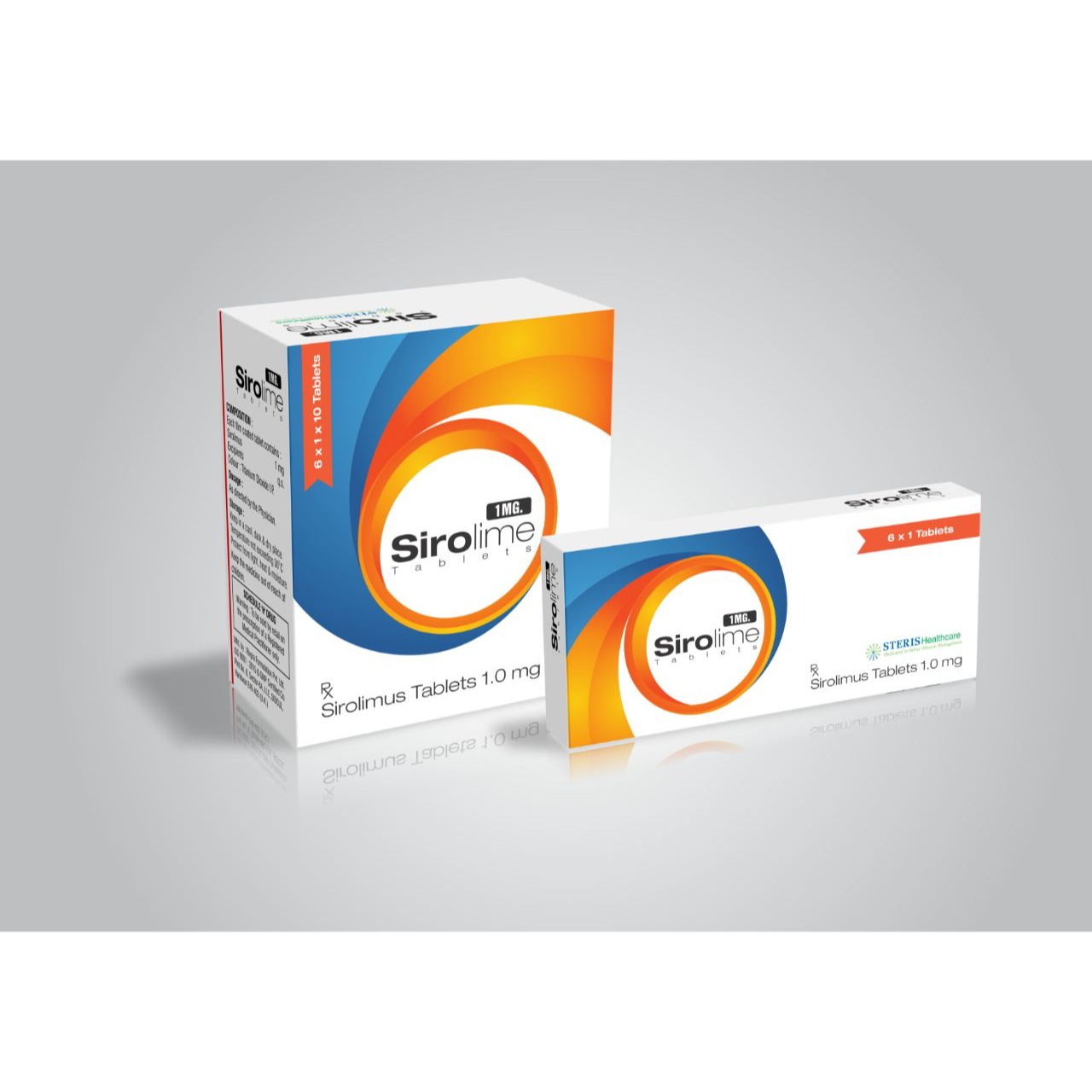
SIROLIME 1 is an oral medication containing Sirolimus 1 mg, a potent immunosuppressant widely used in transplant medicine and certain autoimmune conditions. Sirolimus, also known as rapamycin, works by inhibiting the mTOR (mammalian target of rapamycin) pathway, thereby preventing the activation and proliferation of immune cells that can cause organ rejection or exacerbate autoimmune responses.
SIROLIME 1 is primarily prescribed for patients who have undergone kidney, liver, or heart transplantation to prevent organ rejection. Additionally, it may be used in select autoimmune conditions under specialist supervision. With precise dosing and medical oversight, Sirolimus provides effective long-term immunosuppression while minimizing the risk of organ damage or chronic inflammation.
Uses
SIROLIME 1 is indicated for several clinical purposes, including:
Prevention of organ rejection in kidney, liver, or heart transplant recipients
Adjunct therapy in combination with other immunosuppressants like cyclosporine or corticosteroids
Treatment of certain autoimmune disorders (as advised by a specialist)
Management of lymphangioleiomyomatosis (LAM) – a rare lung disease characterized by abnormal smooth muscle growth
Clinical research applications involving immune modulation
The precise action of SIROLIME 1 makes it particularly suitable for long-term management of patients requiring stable and controlled immune suppression.
Benefits
SIROLIME 1 provides multiple therapeutic advantages due to its unique mechanism of action:
Prevents Organ Rejection: Inhibits T-cell activation, protecting transplanted organs from immune attack
Reduces Inflammation: Modulates the immune response, limiting tissue damage in autoimmune conditions
Synergistic Therapy: Can be combined with other immunosuppressants to enhance effectiveness and reduce doses of other medications
Supports Long-Term Graft Survival: Clinical studies show improved transplant outcomes with Sirolimus-based regimens
Anti-Proliferative Effect: Helps control abnormal cell proliferation in conditions like LAM
Convenient Oral Therapy: Once-daily oral dosing improves patient adherence and treatment consistency
Properly managed therapy with SIROLIME 1 ensures enhanced graft survival, reduced complications, and improved quality of life for transplant patients.
Dosage
The dosage of SIROLIME 1 must be individualized and strictly prescribed by a qualified healthcare professional:
Typical Dose: 1 mg once daily, although dosing may vary based on patient weight, transplant type, and concurrent medications
Administration: Take orally at the same time each day, preferably on an empty stomach or consistently with respect to meals
Monitoring: Blood levels of Sirolimus should be checked regularly to ensure therapeutic efficacy and avoid toxicity
Adjustments: Dose modifications may be required in patients with liver impairment or when used in combination with other immunosuppressants
Patients must not adjust their dose or discontinue therapy without consulting their physician, as this may lead to serious complications, including organ rejection.
Side Effects
While SIROLIME 1 is effective and generally well-tolerated under supervision, it may cause side effects in some patients. Common side effects include:
Mouth ulcers and mucositis
Headache and fatigue
Gastrointestinal disturbances (nausea, diarrhea)
Increased risk of infections due to immune suppression
Swelling of extremities (edema)
Elevated cholesterol and triglyceride levels
Serious but rare side effects:
Impaired wound healing, especially post-transplant surgery
Thrombocytopenia (low platelet count) or leukopenia (low white blood cells)
Liver enzyme abnormalities or kidney function changes
Pneumonitis or lung inflammation
Patients must report any unusual symptoms, such as fever, persistent cough, or jaundice, immediately to their healthcare provider.
Precautions and Warning
Medical Supervision Required: SIROLIME 1 should only be taken under specialist supervision due to its potent immunosuppressive effect
Infection Risk: Avoid exposure to infections; report fever, chills, or other signs of infection promptly
Pregnancy & Lactation: Contraindicated during pregnancy unless specifically prescribed; breastfeeding is not recommended
Vaccinations: Live vaccines should be avoided while on Sirolimus therapy
Liver and Kidney Function: Regular monitoring of liver enzymes, kidney function, and lipid profile is necessary
Drug Interactions: Inform your doctor about all medications, including over-the-counter drugs and herbal supplements
Wound Healing: May impair surgical wound healing; inform your surgeon before any procedure
Strict adherence to these precautions ensures safe and effective therapy while minimizing the risk of severe complications.
Conclusion
SIROLIME 1 Sirolimus 1 mg is a potent immunosuppressive therapy designed for the prevention of organ rejection and the management of select autoimmune conditions. By targeting the mTOR pathway, it controls immune activation, reduces inflammation, and supports long-term organ survival. Its oral administration, predictable pharmacokinetics, and proven efficacy make it a cornerstone in post-transplant care and immune modulation therapy.
When taken as prescribed and under regular medical supervision, SIROLIME 1 ensures enhanced transplant outcomes, reduced risk of organ rejection, and improved patient quality of life. Its unique mechanism of action, combined with appropriate monitoring and patient adherence, makes it a reliable and effective option for modern immunosuppressive therapy.