
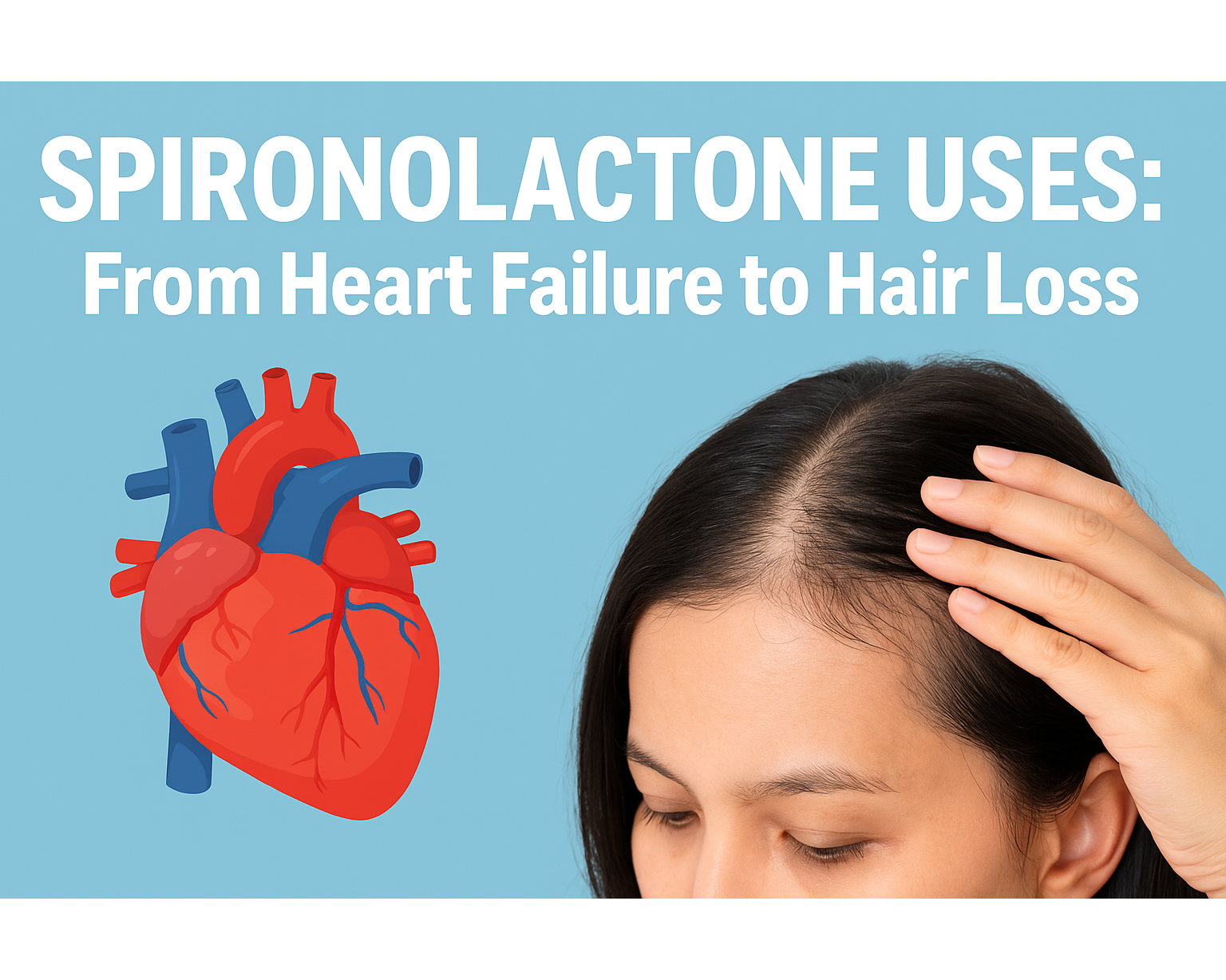
Spironolactone is a versatile medication that has been widely used for decades in treating a range of medical conditions. Originally developed as a diuretic and blood pressure-lowering agent, it has proven benefits for heart, kidney, and hormonal health. In this article, we explore the various uses of Spironolactone, from its primary role in managing heart failure and hypertension to its emerging applications in skin and hair disorders.
What is Spironolactone?
Spironolactone is a potassium-sparing diuretic that works by inhibiting the action of aldosterone, a hormone responsible for water and sodium retention in the body. By reducing fluid buildup, it helps control blood pressure, prevent edema, and reduce strain on the heart. In addition to its cardiovascular effects, Spironolactone has anti-androgen properties, which makes it useful in treating conditions caused by excess male hormones, such as acne and hair loss.
Spironolactone Uses
1. Heart Failure
One of the most critical applications of Spironolactone is in the management of chronic heart failure. By blocking aldosterone, it helps:
Reduce fluid retention, preventing swelling in the legs and lungs
Lower blood pressure, reducing the workload on the heart
Improve survival rates in patients with severe heart failure
Spironolactone is often prescribed alongside other heart medications, such as ACE inhibitors and beta-blockers, to achieve optimal cardiac function.
2. Hypertension (High Blood Pressure)
Spironolactone is effective in treating resistant hypertension, especially in patients who do not respond well to conventional medications. It helps lower blood pressure by promoting sodium excretion while retaining potassium, preventing dangerous electrolyte imbalances.
3. Edema and Fluid Retention
Fluid retention caused by conditions like kidney disease, liver cirrhosis, or chronic heart failure can lead to swelling, discomfort, and breathing difficulties. Spironolactone helps manage edema by promoting excretion of excess water and sodium while conserving potassium, which is essential for heart and muscle function.
4. Hormonal Acne and Skin Conditions
Thanks to its anti-androgen effects, Spironolactone is increasingly prescribed for women suffering from hormonal acne. It reduces the effect of androgens on the sebaceous glands, decreasing oil production and inflammation. Many dermatologists recommend Spironolactone for patients whose acne persists despite topical treatments or oral antibiotics.
5. Hair Loss (Androgenetic Alopecia)
Spironolactone has also gained attention for its role in treating female pattern hair loss. By blocking androgen receptors, it reduces hair follicle miniaturization, helping slow hair thinning and promoting hair regrowth in women. It is important to note that Spironolactone is primarily used for female patients in hair loss treatment due to its hormonal effects.
6. Polycystic Ovary Syndrome (PCOS)
In PCOS, elevated androgen levels can lead to acne, excessive facial and body hair, and scalp hair thinning. Spironolactone helps regulate androgen activity, improving these symptoms and restoring hormonal balance in affected women.
How Spironolactone Works
Spironolactone’s dual action makes it a unique and versatile medication:
Diuretic Action: Inhibits aldosterone in the kidneys, increasing sodium and water excretion while conserving potassium
Anti-Androgen Action: Blocks androgen receptors and reduces androgen production, which helps manage acne, hair loss, and hormonal imbalances
This combination of effects allows Spironolactone to treat both cardiovascular and hormonal conditions effectively.
Dosage and Administration
The dosage of Spironolactone depends on the condition being treated:
Heart failure and hypertension: Typically 25–50 mg daily, adjusted based on response and kidney function
Hormonal acne or hair loss: Usually 50–100 mg daily for women, depending on severity
Edema or fluid retention: Dosage is individualized based on fluid balance and kidney function
It is crucial to follow the doctor’s instructions and have regular monitoring of blood pressure and electrolytes, especially potassium, as excessive potassium levels can be dangerous.
Safety and Side Effects
While Spironolactone is generally well tolerated, some common side effects include:
Increased urination
Dizziness or lightheadedness
Gastrointestinal discomfort such as nausea or diarrhea
Breast tenderness or menstrual irregularities in women
Severe side effects are rare but may include hyperkalemia, kidney dysfunction, or severe allergic reactions. Patients should avoid potassium supplements unless prescribed and report any unusual symptoms to their healthcare provider.
Conclusion
Spironolactone is a versatile and highly effective medication that spans multiple therapeutic areas. From managing heart failure and hypertension to addressing hormonal acne and female hair loss, it provides a wide range of benefits. Proper medical guidance, monitoring, and adherence to prescribed dosage ensure maximum effectiveness and safety.
Spironolactone remains a vital option in modern medicine for patients seeking relief from both cardiovascular and hormonal conditions.