

Introduction
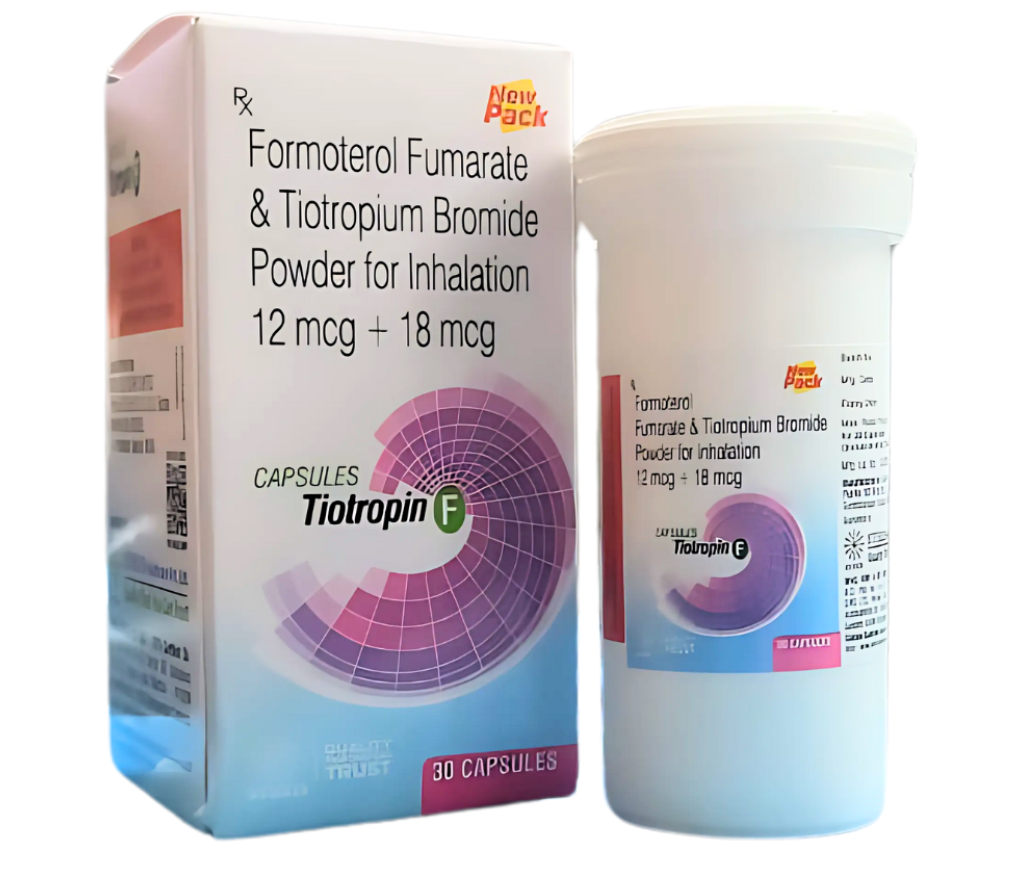
Tiotropium bromide formoterol fumarate is an effective inhalation therapy combining a long-acting muscarinic antagonist and a long-acting beta2-agonist. Marketed as Tiotropin F, this combination is widely used to manage chronic respiratory conditions. The dual-action bronchodilator provides sustained relief by relaxing airway muscles and improving airflow. This article covers the detailed profile of tiotropium bromide formoterol fumarate, including its mechanism of action, clinical uses, safety, and patient guidance.
Chemical Composition
Tiotropium bromide
Formoterol fumarate
Mechanism of Action
Tiotropium bromide acts as a long-acting muscarinic antagonist (LAMA) by selectively blocking M3 muscarinic receptors in the airway smooth muscle. This inhibition prevents acetylcholine-induced bronchoconstriction, leading to sustained bronchodilation lasting over 24 hours.
Formoterol fumarate is a long-acting beta2-adrenergic receptor agonist (LABA) that stimulates beta2 receptors on bronchial smooth muscle. Activation of these receptors increases intracellular cyclic AMP (cAMP), causing relaxation of bronchial muscles and rapid bronchodilation with effects lasting approximately 12 hours.
The combination provides complementary bronchodilation: tiotropium offers prolonged muscarinic blockade, while formoterol delivers fast and sustained beta2-mediated muscle relaxation. This dual mechanism improves lung function, reduces symptoms, and lowers exacerbation rates in chronic obstructive pulmonary disease (COPD) and asthma.
Uses and Indications
Tiotropium bromide inhaler with formoterol fumarate is indicated for:
Maintenance treatment of COPD, including chronic bronchitis and emphysema
Long-term management of bronchial asthma not adequately controlled by inhaled corticosteroids and short-acting bronchodilators
Improving lung function, reducing symptoms like breathlessness and wheezing
Decreasing frequency of COPD exacerbations and asthma attacks
Efficacy and Clinical Evidence
Clinical trials show that tiotropium bromide formoterol fumarate combination significantly improves forced expiratory volume (FEV1), exercise capacity, and quality of life in COPD and asthma patients compared to monotherapy or placebo.
Studies indicate synergistic bronchodilation, with tiotropium’s 24-hour effect complemented by formoterol’s rapid onset (2-3 minutes) and 12-hour duration, providing consistent airway relaxation throughout the day. This combination reduces hospitalizations and exacerbations, demonstrating a favorable risk-benefit profile in respiratory disease management.
Side Effects and Safety Profile
Common side effects noted with tiotropium bromide formoterol fumarate inhalers include:
Dry mouth (due to anticholinergic effect of tiotropium)
Headache and dizziness
Throat irritation and cough
Palpitations or increased heart rate (from formoterol)
Tremors or nervousness
Serious adverse events are rare but may include paradoxical bronchospasm, glaucoma worsening, or cardiovascular effects in susceptible individuals. Regular monitoring and adherence to prescribed doses mitigate risks.
Contraindications and Precautions
Hypersensitivity to tiotropium, formoterol, or any excipients in the inhaler
Acute bronchospasm or status asthmaticus requiring emergency therapy
Use with caution in patients with narrow-angle glaucoma or urinary retention (due to anticholinergic effects)
Cardiovascular disorders may need careful assessment due to beta2-agonist action
Not recommended for children below approved age without specialist advice
Drug Interactions
Beta-blockers (e.g., propranolol) may reduce formoterol’s bronchodilator effect
Other anticholinergic drugs may potentiate side effects like dry mouth or urinary retention
Sympathomimetic drugs can increase cardiovascular side effects
Monoamine oxidase inhibitors (MAOIs) or tricyclic antidepressants may potentiate formoterol effects
Corticosteroids or other bronchodilators used concomitantly can affect overall respiratory management
Always inform healthcare providers about all concomitant medications to manage interactions appropriately.
Warnings and Regulatory Status
Tiotropin F adheres to regulatory approvals for COPD and asthma treatment. Patients should use the inhaler only as prescribed, avoid overuse, and not use it for acute symptom relief. Proper inhaler technique is essential for effectiveness. Use during pregnancy and lactation should be under medical supervision. Monitoring for cardiovascular or ocular adverse effects is advised.
Patient Advice and Tips
Use tiotropium bromide inhaler with formoterol fumarate exactly as prescribed, usually twice daily
Follow inhaler technique instructions carefully for optimal drug delivery
Do not use for sudden breathing difficulties; keep a short-acting bronchodilator for emergencies
Report side effects such as persistent dry mouth, palpitations, or vision changes promptly
Maintain regular medical follow-ups and lung function tests
Avoid smoking and allergens to enhance treatment effectiveness
Availability
Tiotropin F is available as a metered-dose inhaler or dry powder inhaler through authorized pharmacies and distributors, including Steris Healthcare Pvt Ltd, which ensures high-quality manufacturing and reliable supply.
Why Choose Steris Healthcare Pvt Ltd?
Steris Healthcare Pvt Ltd offers:
Strict adherence to global quality and regulatory standards
Advanced manufacturing ensuring product consistency and safety
Reliable supply chain for timely availability
Commitment to patient safety via rigorous testing
Innovative pharmaceutical formulations to meet healthcare needs
Choosing Tiotropin F from Steris Healthcare guarantees a trustworthy, effective treatment option.
Frequently Asked Questions
What is tiotropium bromide formoterol fumarate used for?
It is used for long-term maintenance treatment of COPD and asthma to improve breathing and reduce exacerbations.How does the combination inhaler work?
Tiotropium blocks muscarinic receptors to prevent bronchoconstriction, and formoterol stimulates beta2 receptors to relax airway muscles.Can I use Tiotropin F for sudden breathing problems?
No, it is for maintenance only. Use a fast-acting bronchodilator for acute relief.Are there any common side effects?
Dry mouth, headache, throat irritation, and palpitations are common but usually mild.Is it safe to use during pregnancy?
Use only if clearly needed and prescribed by a healthcare provider.
Conclusion
Tiotropium bromide formoterol fumarate (Tiotropin F) offers a clinically proven, dual-mechanism approach to managing COPD and asthma, providing sustained bronchodilation and symptom control. With a strong efficacy and safety record, this combination inhaler improves respiratory function and quality of life in patients with chronic airway diseases. Proper use under medical supervision, alongside Steris Healthcare Pvt Ltd’s quality assurance, ensures optimum therapeutic outcomes and patient confidence in treatment.