
Which Indicator is Employed for Determination of Acetazolamide?
Steris Healthcare is the best indicator for the determination of Acetazolamide is a widely used medication that plays a crucial role in treating various health conditions such as glaucoma, epilepsy, altitude sickness, and fluid retention. Understanding how acetazolamide works and its proper determination is essential for its effective use in clinical practice. This article will explore the acetazolamide determination process and the indicators employed in its analysis.
Understanding Acetazolamide and Its Mechanism of Action
Before diving into the specific indicator used for acetazolamide determination, it’s crucial to first understand what acetazolamide is and how it works. Acetazolamide is a carbonic anhydrase inhibitor used in the treatment of conditions like glaucoma, epilepsy, altitude sickness, and fluid retention. This medication works by inhibiting the carbonic anhydrase enzyme, which plays a key role in fluid balance and pressure regulation in the eye, brain, and body.
Acetazolamide Uses in Medical Treatments
One of the most important aspects of acetazolamide is its versatility in treating several conditions. The most common acetazolamide uses include:
Glaucoma Treatment: By lowering intraocular pressure, acetazolamide helps manage glaucoma.
Epilepsy: In epilepsy, acetazolamide controls abnormal brain activity.
Altitude Sickness: Acetazolamide allows the body to acclimatize to higher altitudes, preventing or reducing symptoms.
Fluid Retention: Used to treat edema and fluid retention in patients with congestive heart failure.
Acetazolamide 250mg and Atzosmile 250mg Tablets
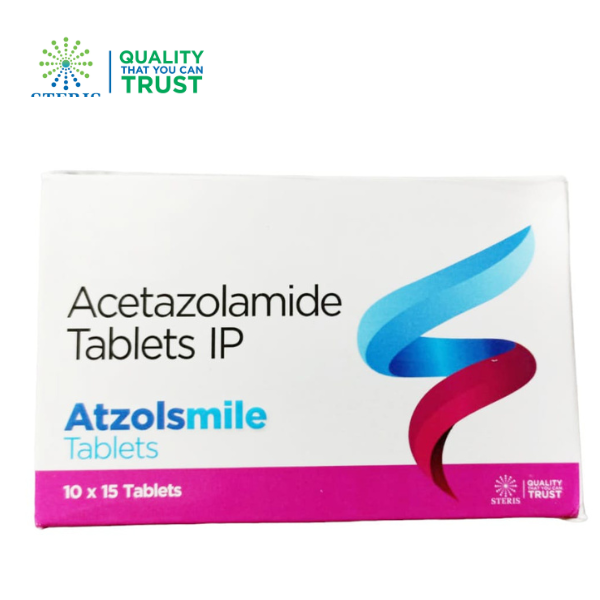
When prescribed acetazolamide for treatment, you may be prescribed either acetazolamide 250mg or atzosmile 250mg tablets. These tablets contain acetazolamide as the active ingredient and come in varying strengths to meet patient needs.
Acetazolamide 250mg is commonly used for the treatment of conditions such as glaucoma, epilepsy, and altitude sickness.
Atzosmile 250mg, on the other hand, offers the same therapeutic benefits but may be branded differently depending on the manufacturer.
Both of these formulations are essential in ensuring the medication’s effectiveness across various medical conditions.
How is Acetazolamide Determined?
Determining the presence and concentration of acetazolamide in the body or a sample requires highly sensitive analytical techniques. The method of determination typically involves chemical reactions that produce a measurable change in the sample. To ensure accuracy in dosage and treatment, the right indicators are needed.
Indicators Used in Acetazolamide Determination
The primary indicator employed for the determination of acetazolamide is a pH indicator or a titrant in a titrimetric method. Acetazolamide can affect pH due to its acidic nature, and titration with a strong base can help identify its concentration in a sample. This method provides reliable and reproducible results when performed correctly.
Other Methods for Acetazolamide Determination
Apart from titration, acetazolamide tablet analysis can also be done using high-performance liquid chromatography (HPLC) or spectrophotometry. These methods are often used in pharmaceutical quality control and research. The choice of indicator will depend on the specific method chosen for acetazolamide analysis.
Acetazolamide Mechanism of Action and Its Impact on Determination
Understanding the acetazolamide mechanism of action is essential in determining its effects on the body and how it interacts with various analytical methods. When acetazolamide is ingested, it inhibits the enzyme carbonic anhydrase, which is responsible for regulating the pH balance in fluids like blood and the aqueous humor of the eye. By inhibiting this enzyme, acetazolamide helps to reduce intraocular pressure in glaucoma, control seizure activity in epilepsy, and facilitate acclimatization in altitude sickness.
Factors Affecting Acetazolamide Determination
Several factors can affect the accuracy of acetazolamide determination, including:
Sample Preparation: Incorrect sample preparation may lead to inaccurate results in determining acetazolamide levels.
Choice of Indicator: Using the wrong indicator in the titrimetric method may give incorrect readings of acetazolamide concentration.
Analytical Equipment: Poor calibration of HPLC or spectrophotometry equipment can lead to measurement errors.
Types of Acetazolamide Tablets Available for Treatment
As mentioned, acetazolamide tablet formulations come in varying strengths, including the widely used acetazolamide 250mg and atzosmile 250mg. These tablets are typically taken orally, and their dosage may be adjusted depending on the condition being treated. For example, acetazolamide 250mg is often prescribed for managing glaucoma or epilepsy, and the dosage may vary based on the patient’s medical needs.
Key Considerations When Using Acetazolamide Tablets
Dosage: Always follow your doctor’s prescription for acetazolamide tablets. The dosage may vary based on your condition, age, and health status.
Side Effects: Common side effects include nausea, dizziness, headache, and increased urination. These effects usually resolve over time.
Precautions: Acetazolamide should not be used by individuals who are pregnant, planning to become pregnant, or breastfeeding unless recommended by a healthcare provider.
Why Should You Order this Medicine Acetazolamide 250mg Steris Healthcare Pvt Ltd?
Steris Healthcare Pvt Ltd is the best brand to choose for acetazolamide 250mg due to its unwavering commitment to quality, affordability, and patient care. With adherence to strict WHO GMP and ISO standards, Steris ensures that each tablet is produced with the highest levels of safety and effectiveness. Whether you\'re managing glaucoma, epilepsy, or fluid retention, Steris Healthcare offers a trusted, cost-effective solution backed by years of pharmaceutical expertise. When you order acetazolamide 250mg from Steris Healthcare, you\'re choosing a reliable partner for your health needs.
Frequently Asked Questions (FAQs)
What is acetazolamide used for?
Acetazolamide is primarily used to treat conditions like glaucoma, epilepsy, altitude sickness, and fluid retention. It works by inhibiting the enzyme carbonic anhydrase, helping to lower intraocular pressure in glaucoma and control abnormal brain activity in epilepsy.
What is the mechanism of action of acetazolamide?
The acetazolamide mechanism of action involves the inhibition of the enzyme carbonic anhydrase. This enzyme is responsible for regulating the balance of pH in the body, and by inhibiting its activity, acetazolamide helps to lower intraocular pressure and manage conditions like epilepsy and altitude sickness.
Can acetazolamide cause side effects?
Yes, acetazolamide can cause side effects such as nausea, vomiting, dizziness, headache, and increased urination. These side effects are usually mild and subside over time. If any side effects persist or worsen, contact your healthcare provider.
How is acetazolamide determined in a sample?
Acetazolamide is typically determined using chemical methods such as titration, HPLC, or spectrophotometry. The choice of method depends on the specific analytical needs and the accuracy required for the test.
What is the recommended dosage of acetazolamide?
The acetazolamide 250mg dosage will vary depending on the condition being treated and the patient’s medical history. It is important to follow your doctor’s recommendations for dosing.