
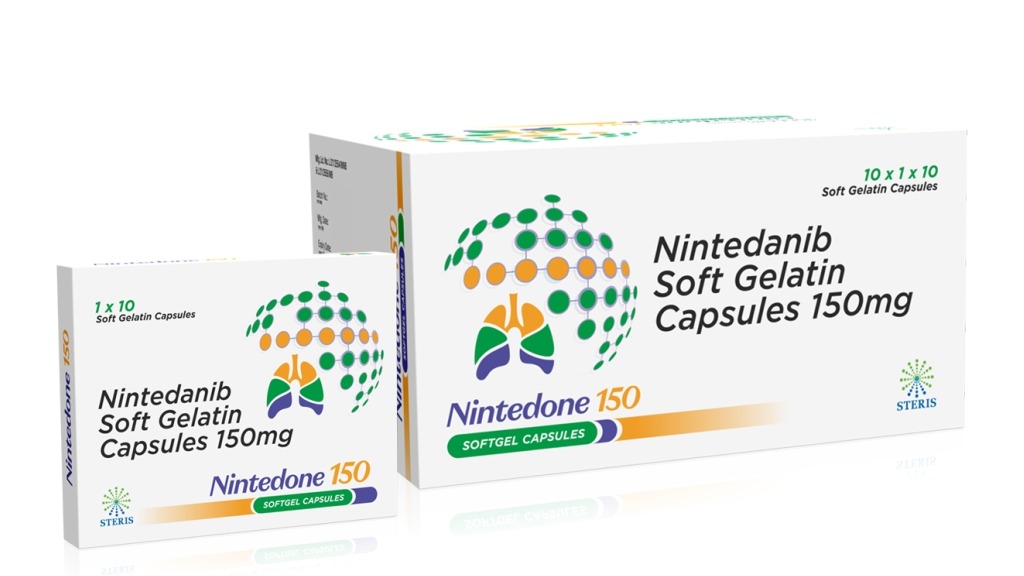
NINTEDONE 150 is a prescription anti-fibrotic medication containing nintedanib 150 mg, a potent tyrosine kinase inhibitor used in the management of progressive fibrosing lung diseases. Nintedanib works by targeting multiple growth factor receptors that contribute to inflammation, scarring, and structural damage in lung tissue. By slowing down these harmful biological processes, NINTEDONE 150 plays a critical role in preserving lung function and improving long-term outcomes in patients with chronic interstitial lung conditions.
Nintedanib was originally developed and globally recognized under the brand Ofev, and it has become one of the cornerstone therapies in pulmonary fibrosis treatment. NINTEDONE 150 provides the same active composition—nintedanib 150 mg—in a high-quality formulation intended for long-term disease management under medical supervision.
Fibrosing lung diseases such as Idiopathic Pulmonary Fibrosis (IPF) and Systemic Sclerosis-Associated Interstitial Lung Disease (SSc-ILD) can lead to progressive breathlessness, reduced oxygen exchange, and declining quality of life. NINTEDONE 150 does not cure these conditions, but it significantly slows their progression, offering patients valuable time and improved disease stability.
Nintedanib 150 mg uses
NINTEDONE 150 (nintedanib 150 mg) is primarily prescribed for the treatment of chronic and progressive fibrosing lung disorders. Its main approved uses include:
1. Idiopathic Pulmonary Fibrosis (IPF)
IPF is a long-term, progressive lung disease characterized by thickening and scarring (fibrosis) of lung tissue without a known cause. Over time, the scarring interferes with normal breathing and oxygen transfer. NINTEDONE 150 helps slow the rate of decline in lung function in patients with IPF.
2. Systemic Sclerosis-Associated Interstitial Lung Disease (SSc-ILD)
Systemic sclerosis is an autoimmune disorder that can affect the lungs, leading to interstitial lung disease. In SSc-ILD, fibrosis develops due to immune-mediated inflammation. Nintedanib 150 mg helps reduce the progression of lung scarring in these patients.
3. Chronic Fibrosing Interstitial Lung Diseases (PF-ILD)
Some interstitial lung diseases of various causes become progressively fibrosing despite conventional treatment. NINTEDONE 150 is used in adults with chronic fibrosing ILDs that show a progressive phenotype, helping to reduce lung function deterioration.
In certain clinical settings, nintedanib has also been studied in combination with chemotherapy for specific types of lung cancer, although this is not its primary indication in most treatment protocols.
Benefits
NINTEDONE 150 offers several clinically proven benefits for patients suffering from progressive lung fibrosis:
1. Slows Disease Progression
The primary benefit of nintedanib 150 mg is its ability to slow the decline in forced vital capacity (FVC), a key measure of lung function. This delay in progression can significantly impact long-term prognosis.
2. Targets Multiple Pathways
Nintedanib works by inhibiting vascular endothelial growth factor (VEGF), platelet-derived growth factor (PDGF), and fibroblast growth factor (FGF) receptors. By blocking these signaling pathways, it reduces fibroblast activity and limits excessive scar tissue formation.
3. Preserves Lung Function
Although it does not reverse existing fibrosis, NINTEDONE 150 helps preserve remaining healthy lung tissue and delays respiratory deterioration.
4. Improves Long-Term Outcomes
Clinical trials have shown that early and consistent treatment with nintedanib can lead to improved disease stability and reduced acute exacerbations in certain patient populations.
5. Once-Tolerated Routine
With a standard dosing schedule of twice daily administration, NINTEDONE 150 can be integrated into long-term treatment plans under specialist supervision.
Nintedanib 150 mg dose
The recommended dosage of NINTEDONE 150 is:
150 mg taken orally twice daily
Approximately 12 hours apart
Taken with food to reduce gastrointestinal side effects
Capsules should be swallowed whole with water. They should not be crushed, chewed, or opened.
If a dose is missed, it should not be doubled. Patients should skip the missed dose and continue with the next scheduled dose.
Dose Adjustments
In cases of intolerance or side effects such as persistent diarrhea or liver enzyme elevation, physicians may:
Temporarily interrupt treatment
Reduce the dose to 100 mg twice daily
Resume at full dose once tolerated
Regular monitoring of liver function tests is required before starting therapy and periodically during treatment.
NINTEDONE 150 should only be used under the supervision of a qualified healthcare provider experienced in treating interstitial lung diseases.
Nintedanib 150 mg side effects
Like all medications, NINTEDONE 150 (nintedanib 150 mg) may cause side effects. Most are manageable with proper medical guidance.
Common Side Effects
Diarrhea – The most frequently reported side effect.
Nausea and vomiting
Abdominal pain
Decreased appetite
Weight loss
Fatigue
Elevated liver enzymes
Diarrhea can often be managed with hydration, dietary changes, and anti-diarrheal medications as prescribed by a doctor.
Less Common but Serious Side Effects
Liver toxicity
Bleeding complications
High blood pressure
Gastrointestinal perforation (rare)
Blood clotting disorders
Patients should immediately consult a healthcare provider if they experience:
Severe abdominal pain
Yellowing of skin or eyes
Unusual bleeding or bruising
Severe persistent diarrhea
Chest pain or shortness of breath
Routine laboratory monitoring helps reduce the risk of serious complications.
Precautions and Warning
Before starting NINTEDONE 150, patients should inform their doctor about their complete medical history.
1. Liver Disease
Patients with moderate to severe liver impairment may require dose adjustments or may not be suitable candidates for treatment.
2. Pregnancy and Breastfeeding
Nintedanib may cause harm to an unborn baby. It is not recommended during pregnancy. Women of childbearing potential should use effective contraception during treatment and for a specified period after discontinuation. Breastfeeding is not advised while taking this medication.
3. Bleeding Risk
Patients taking anticoagulants or those with bleeding disorders should use NINTEDONE 150 cautiously, as it may increase bleeding risk.
4. Cardiovascular Conditions
Individuals with a history of heart disease, stroke, or blood clots should discuss risks with their physician.
5. Gastrointestinal Conditions
Patients with a history of ulcers or diverticular disease should inform their healthcare provider due to rare risks of gastrointestinal perforation.
6. Drug Interactions
Nintedanib is metabolized via certain liver enzymes and transport proteins. Strong inhibitors or inducers of these pathways may alter its effectiveness. Always inform your doctor about:
Prescription medications
Over-the-counter drugs
Herbal supplements
Self-medication or dose modification without medical advice is strongly discouraged.
Conclusion
NINTEDONE 150, containing nintedanib 150 mg, is a clinically established anti-fibrotic therapy designed to slow the progression of serious interstitial lung diseases such as Idiopathic Pulmonary Fibrosis and Systemic Sclerosis-Associated Interstitial Lung Disease. By targeting multiple growth factor pathways responsible for lung scarring, it plays a vital role in preserving lung function and delaying disease advancement.
While it does not cure pulmonary fibrosis, consistent and supervised use of NINTEDONE 150 can significantly improve long-term disease stability and help patients maintain better respiratory capacity. Like all potent therapies, it requires careful monitoring, adherence to prescribed dosage, and awareness of potential side effects.