
Introduction
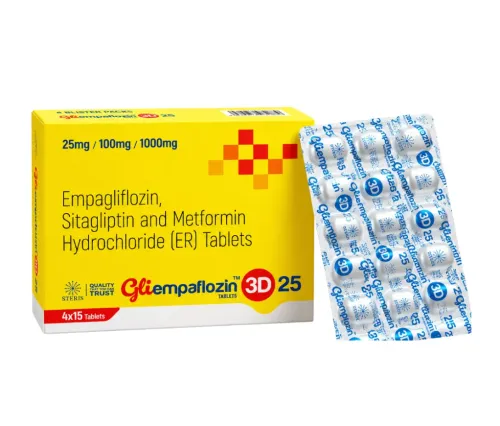
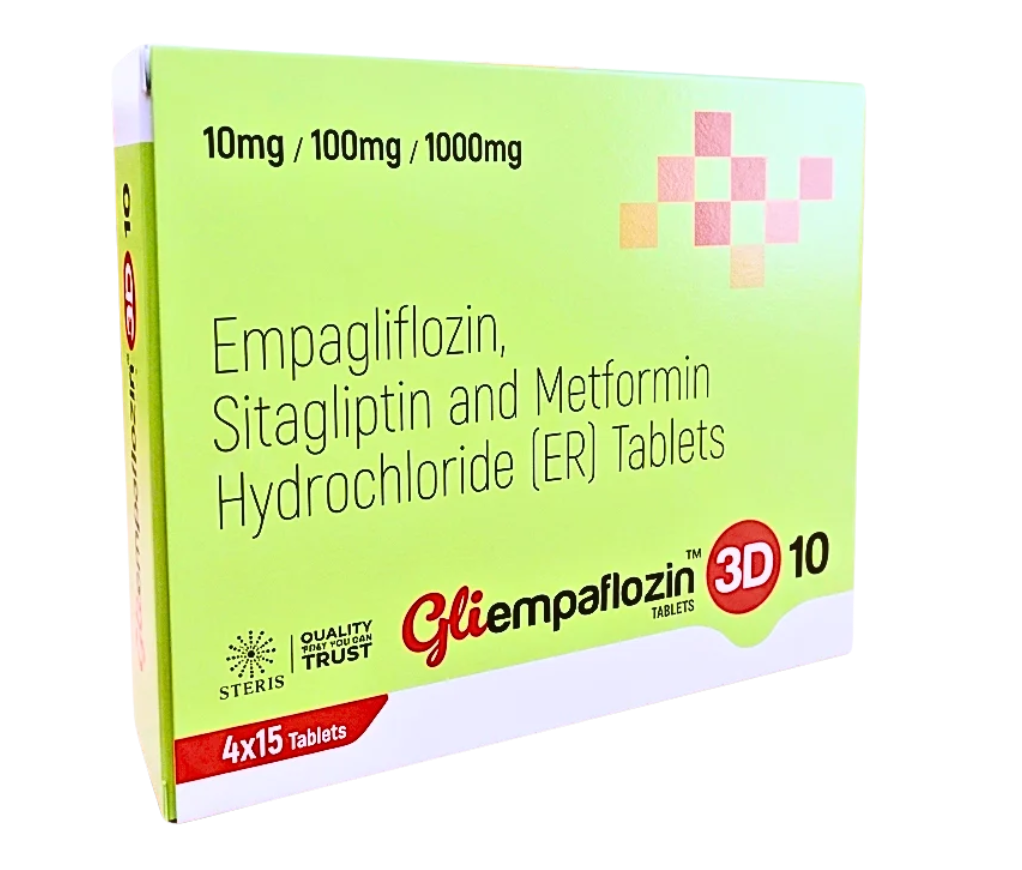
Gliempaflozin 3D 10 is a combination diabetes medicine containing Empagliflozin 10 mg, Sitagliptin 100 mg and Metformin Hydrochloride 1000 mg, as specified in the product composition. It is intended for the management of Type 2 Diabetes Mellitus in appropriately selected patients under medical supervision.
The three active ingredients work through different mechanisms to help regulate blood glucose. Empagliflozin helps the kidneys remove excess glucose through urine. Sitagliptin enhances the activity of incretin hormones, which help regulate insulin release after meals. Metformin reduces glucose production in the liver and improves the body's response to insulin.
By combining these actions, Gliempaflozin 3D 10 may help patients achieve better blood sugar control when diet, exercise and their existing treatment regimen are insufficient. Treatment should be individualized according to medical history, kidney function, blood glucose levels and the advice of a qualified healthcare professional.
Uses
Gliempaflozin 3D 10 is intended to help manage Type 2 Diabetes Mellitus in adults for whom this three-drug combination is appropriate.
Its potential uses include:
Blood glucose control: Helps reduce elevated blood glucose through complementary mechanisms.
Fasting blood sugar management: Metformin reduces excessive glucose production by the liver, supporting glucose regulation between meals.
Post-meal glucose management: Sitagliptin supports glucose-dependent insulin release and helps regulate glucagon levels.
Increased urinary glucose excretion: Empagliflozin reduces glucose reabsorption in the kidneys, allowing more glucose to leave the body through urine.
Long-term diabetes management: Improved glucose control may help lower HbA1c, a measure of average blood sugar over approximately two to three months.
The suitability of this medicine depends on the patient's previous treatment, kidney function, other medical conditions and risk of adverse effects.
Benefits
Gliempaflozin 3D 10 combines three antidiabetic medicines with complementary actions. Its potential benefits include the following:
1. Multiple mechanisms of action: Empagliflozin, Sitagliptin and Metformin target different processes involved in blood glucose regulation.
2. Support for HbA1c reduction: When prescribed appropriately, the combination can help improve overall glycaemic control and support individualized HbA1c targets.
3. Fasting and post-meal glucose management: Metformin primarily reduces hepatic glucose production, while Sitagliptin helps regulate the body's response to rising glucose after meals.
4. Potential weight-management benefits: Empagliflozin may contribute to modest weight loss in some patients. Metformin is generally weight-neutral or may produce modest weight loss, although individual outcomes vary.
5. Convenient combination therapy: Combining three active ingredients in one prescribed formulation may simplify a treatment regimen for suitable patients.
6. Comprehensive diabetes care: Better glucose control, combined with appropriate nutrition, physical activity and regular monitoring, can contribute to long-term diabetes management. The medicine does not replace lifestyle measures or other treatments indicated for an individual's cardiovascular or kidney conditions.
Dosage
The dosage and timing of Gliempaflozin 3D 10 must be determined by the prescribing doctor according to the patient's clinical needs and the product's approved instructions.
Take the medicine exactly as prescribed.
Follow the recommended administration instructions for the specific formulation, particularly whether it contains immediate-release or extended-release Metformin.
Take it with food if instructed, as this may help reduce gastrointestinal discomfort associated with Metformin.
Swallow the tablet as directed on the product leaflet. Do not crush or chew an extended-release tablet unless the approved instructions specifically permit it.
Monitor blood glucose and HbA1c as recommended by your healthcare professional.
If you miss a dose, follow the patient leaflet or consult your pharmacist. Do not double the next dose.
Do not start, discontinue or change your dosage without medical advice.
Side Effects
Gliempaflozin 3D 10 may cause side effects, although not everyone experiences them. Possible adverse effects include:
Nausea, diarrhoea, abdominal discomfort or reduced appetite.
Increased urination and thirst.
Genital fungal infections or urinary tract infections.
Dehydration, dizziness or low blood pressure.
Headache or symptoms associated with changes in blood glucose.
Low blood sugar, particularly when combined with insulin or sulfonylureas.
Seek urgent medical attention for severe or persistent abdominal pain, repeated vomiting, unusual fatigue, rapid or deep breathing, fainting, or signs of a serious allergic reaction. Empagliflozin can be associated with diabetic ketoacidosis, sometimes even without markedly elevated blood glucose. Metformin may rarely cause lactic acidosis, a serious medical emergency.
Writing
Precautions and Warnings
Before taking Gliempaflozin 3D 10, inform your doctor about your medical history, current medicines and any existing kidney or liver problems.
Kidney function: Kidney function should be assessed before treatment and monitored as advised. Metformin and Empagliflozin have important kidney-related prescribing considerations.
Dehydration: Increased urination may cause fluid loss. Maintain appropriate hydration unless your doctor has advised fluid restriction.
Diabetic ketoacidosis: Seek medical advice promptly if you develop nausea, vomiting, abdominal pain, unusual tiredness or difficulty breathing. Severe illness, prolonged fasting and surgery may increase the risk.
Lactic acidosis: Metformin-associated lactic acidosis is rare but serious. Kidney impairment, excessive alcohol consumption and certain acute illnesses can increase the risk.
Pancreatitis: Report severe, persistent abdominal pain, particularly if it spreads to the back. Your doctor may need to assess you for pancreatitis associated with Sitagliptin.
Pregnancy and breastfeeding: Consult your doctor before use because alternative diabetes treatment may be more appropriate.
Other medicines: Tell your healthcare professional about all diabetes medicines, diuretics and other prescription or non-prescription products you take.
Monitoring: Attend regular reviews for blood glucose, HbA1c, kidney function and other tests recommended by your clinician.
Gliempaflozin 3D 10 should not be used as a substitute for medical assessment or prescribed treatment for Type 1 Diabetes Mellitus or diabetic ketoacidosis. Always follow the approved product information and your doctor's instructions.
Conclusion
Gliempaflozin 3D 10 contains Empagliflozin 10 mg, Sitagliptin 100 mg and Metformin Hydrochloride 1000 mg. These three medicines work through complementary mechanisms to support blood glucose management in suitable adults with Type 2 Diabetes Mellitus.
Potential benefits include improved glycaemic control, support for HbA1c reduction and possible modest weight loss in some patients. However, treatment suitability depends on individual health conditions, kidney function and other medicines.
For safe and effective diabetes management, use Gliempaflozin 3D 10 only as prescribed, follow a balanced lifestyle, monitor blood glucose as advised and attend regular medical appointments. Consult a qualified healthcare professional if you experience side effects or have concerns about treatment.
FAQs:
1. What is Gliempaflozin 3D 10 used for?
Gliempaflozin 3D 10 is a combination medicine intended to help manage Type 2 Diabetes Mellitus in adults when all three ingredients are appropriate and prescribed by a healthcare professional.
2. What is the composition of Gliempaflozin 3D 10 tablets?
The stated composition is Empagliflozin 10 mg, Sitagliptin 100 mg and Metformin Hydrochloride 1000 mg. Check the product packaging to confirm the exact formulation.
3. How does Gliempaflozin 3D 10 work?
Empagliflozin increases urinary glucose excretion, Sitagliptin supports glucose-dependent insulin regulation, and Metformin reduces glucose production in the liver.
4. What are the benefits of Empagliflozin, Sitagliptin and Metformin tablets?
Potential benefits include improved blood glucose control and support for HbA1c reduction through three complementary mechanisms. Individual results depend on the patient's condition and treatment plan.
5. What are the common side effects of Gliempaflozin 3D 10?
Possible side effects include nausea, diarrhoea, abdominal discomfort, increased urination, dehydration, genital fungal infections and urinary tract infections.
6. Can Gliempaflozin 3D 10 help with weight loss?
Empagliflozin may contribute to modest weight loss in some patients. However, Gliempaflozin 3D 10 is a diabetes medicine, not a medicine prescribed solely for weight loss.
7. How should Gliempaflozin 3D 10 be taken?
Take it according to your doctor's instructions and the approved product leaflet. Administration may depend on the formulation, particularly the release type of Metformin.
8. Is Gliempaflozin 3D 10 suitable for everyone with diabetes?
No. Its suitability depends on kidney function, medical history, current medicines and other individual factors. It is intended for appropriate patients with Type 2 Diabetes Mellitus.
9. Can Gliempaflozin 3D 10 cause low blood sugar?
Low blood sugar may occur, particularly when the combination is used with insulin or sulfonylureas. Discuss your risk and management plan with your healthcare professional.
10. What precautions are necessary when taking Gliempaflozin 3D 10?
Important precautions include kidney-function monitoring, maintaining appropriate hydration, recognising symptoms of diabetic ketoacidosis, and informing your doctor about planned surgery, prolonged fasting or serious illness.