

Introduction
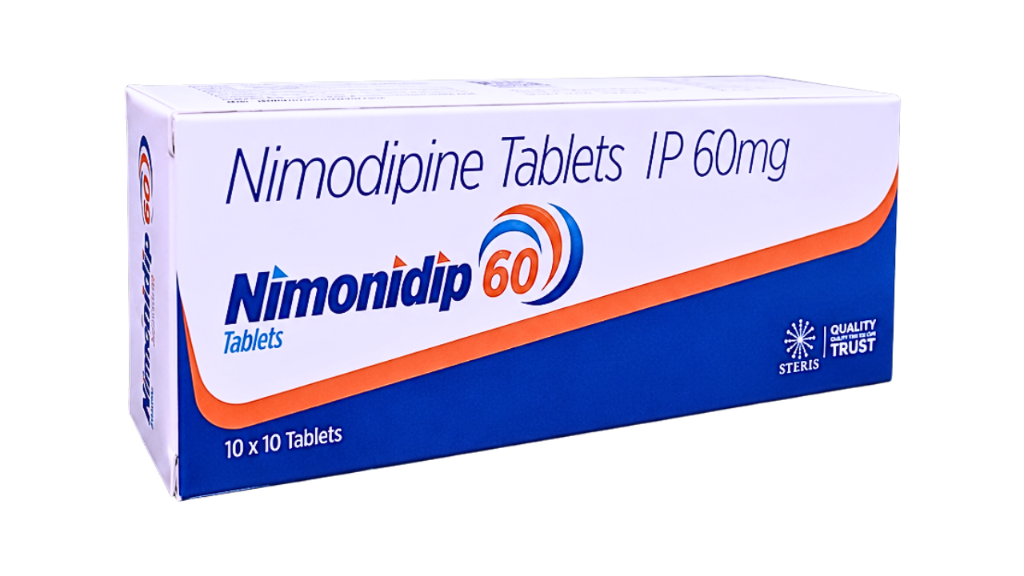
NIMONIDIP 60 is a prescription medication containing Nimodipine Tablets IP 30 mg, a calcium channel blocker specifically designed to improve blood flow in the brain. Nimodipine is widely used in neurological care, particularly for patients who have experienced subarachnoid hemorrhage (SAH), a serious type of bleeding around the brain.
Following a brain hemorrhage, blood vessels may narrow or constrict, reducing blood supply to vital brain tissues. This condition, known as cerebral vasospasm, can lead to severe neurological complications, including stroke and permanent brain damage. NIMONIDIP 60 helps relax and widen blood vessels in the brain, ensuring adequate blood flow and oxygen delivery.
Trusted by healthcare professionals, NIMONIDIP 60 plays a crucial role in reducing the risk of delayed ischemic neurological deficits following brain hemorrhage. Its targeted action on cerebral blood vessels makes it an important medication in neurological intensive care and post-hemorrhage management.
Whether prescribed in hospital settings or continued during recovery, NIMONIDIP 60 contributes significantly to improving neurological outcomes and supporting patient recovery.
Uses of nimodipine tablets ip 30 mg
NIMONIDIP 60 is primarily indicated for the prevention and treatment of complications associated with bleeding in the brain.
1. Subarachnoid Hemorrhage (SAH)
The most common use of Nimodipine is in patients who have suffered a subarachnoid hemorrhage due to a ruptured cerebral aneurysm.
2. Prevention of Cerebral Vasospasm
Following brain hemorrhage, blood vessels can become narrowed, reducing blood flow to brain tissue. NIMONIDIP 60 helps prevent this dangerous condition.
3. Reduction of Neurological Damage
The medication supports adequate cerebral circulation, helping reduce the risk of brain injury caused by decreased oxygen supply.
4. Improvement of Brain Blood Flow
Nimodipine selectively acts on cerebral arteries, helping improve blood circulation in the brain.
5. Post-Neurosurgical Care
In certain neurological and neurosurgical situations, Nimodipine may be used as part of comprehensive patient management under medical supervision.
Benefits of nimodipine tablets ip 30 mg
Supports Healthy Cerebral Blood Flow
NIMONIDIP 60 helps maintain proper blood circulation in the brain by relaxing narrowed blood vessels.
Reduces Risk of Cerebral Vasospasm
One of the most important benefits of Nimodipine is its ability to reduce blood vessel constriction following brain hemorrhage.
Helps Protect Brain Tissue
By improving oxygen and nutrient delivery, the medication may help protect brain cells from damage caused by reduced blood flow.
Improves Recovery Outcomes
Patients receiving Nimodipine after subarachnoid hemorrhage often experience better neurological outcomes compared to those who do not receive appropriate treatment.
Selective Action on Brain Blood Vessels
Unlike many calcium channel blockers, Nimodipine demonstrates a strong affinity for cerebral blood vessels, making it particularly useful in neurological conditions.
Supports Neurological Function
Proper cerebral circulation contributes to better neurological recovery and overall brain function.
Clinically Established Therapy
Nimodipine has been used globally for decades and remains an important medication in neurocritical care.
How nimodipine tablets ip 30 mg Works
Nimodipine belongs to the class of medicines known as calcium channel blockers.
Calcium plays a vital role in the contraction of smooth muscles surrounding blood vessels. Nimodipine blocks the entry of calcium into these muscle cells, causing the blood vessels to relax and widen.
This action helps:
Increase blood flow in cerebral arteries
Prevent vessel narrowing
Improve oxygen supply to brain tissue
Reduce complications following hemorrhage
Support neurological recovery
Its selective activity on cerebral blood vessels makes it particularly effective in managing conditions associated with brain hemorrhage.
Dosage of nimodipine tablets ip 30 mg
The dosage of NIMONIDIP 60 should always be determined by a qualified healthcare professional.
General Dosage Guidelines
Take the medicine exactly as prescribed.
Swallow the tablet whole with water.
Do not crush, chew, or break the tablet unless directed by your doctor.
The medication may be taken with or without food.
Follow the prescribed treatment duration carefully.
Missed Dose
If you miss a dose:
Take it as soon as you remember.
If it is almost time for the next dose, skip the missed dose.
Do not take a double dose to compensate.
Overdose
An overdose may cause:
Severe low blood pressure
Slow or rapid heartbeat
Dizziness
Fainting
Seek immediate medical attention if overdose is suspected.
Side Effects
Like all medications, NIMONIDIP 60 may cause side effects, although not everyone experiences them.
Common Side Effects
Headache
Dizziness
Low blood pressure
Nausea
Flushing
Fatigue
Increased heart rate
Swelling of feet or ankles
Less Common Side Effects
Stomach discomfort
Sweating
Skin rash
Sleep disturbances
Weakness
Serious Side Effects
Seek immediate medical attention if you experience:
Severe allergic reactions
Difficulty breathing
Extreme drop in blood pressure
Chest pain
Severe irregular heartbeat
Loss of consciousness
Most side effects are mild and improve as the body adjusts to treatment.
Precautions and Warnings
Before taking NIMONIDIP 60, discuss your complete medical history with your healthcare provider.
Low Blood Pressure
Since Nimodipine lowers blood pressure, patients with existing hypotension should use it cautiously.
Liver Disease
Individuals with liver impairment may require dosage adjustments and careful monitoring.
Heart Conditions
Patients with cardiovascular disorders should inform their physician before starting treatment.
Pregnancy
Use during pregnancy only if clearly prescribed by a healthcare professional after evaluating potential risks and benefits.
Breastfeeding
Consult your doctor before using Nimodipine while breastfeeding.
Drug Interactions
NIMONIDIP 60 may interact with:
Blood pressure medications
Antifungal drugs
Certain antibiotics
Anti-seizure medications
HIV medications
Grapefruit and grapefruit juice
Always inform your healthcare provider about all medicines and supplements you are taking.
Alcohol Consumption
Alcohol may increase dizziness and lower blood pressure further. Limit or avoid alcohol during treatment.
Driving and Operating Machinery
Nimodipine may cause dizziness or lightheadedness. Avoid driving or operating heavy machinery if affected.
Storage Instructions
Store at room temperature.
Protect from direct sunlight and moisture.
Keep the medicine in its original packaging.
Keep out of reach of children.
Do not use after the expiry date mentioned on the package.
Why Choose NIMONIDIP 60?
NIMONIDIP 60 offers reliable neurological support through its scientifically proven formulation of Nimodipine Tablets IP 30 mg.
Key advantages include:
Supports cerebral blood circulation
Helps prevent cerebral vasospasm
Reduces neurological complications
Trusted by healthcare professionals
Well-established clinical use
Supports brain recovery after hemorrhage
High-quality pharmaceutical manufacturing standards
Conclusion
NIMONIDIP 60 Nimodipine Tablets IP 30 mg is a specialized neurological medication used to improve cerebral blood flow and prevent complications following subarachnoid hemorrhage. Its targeted action on brain blood vessels helps reduce the risk of cerebral vasospasm, supports oxygen delivery to brain tissues, and contributes to better neurological outcomes. When used under proper medical supervision, NIMONIDIP 60 serves as an important component of post-hemorrhage care and brain health management.
FAQs
What is NIMONIDIP 60 used for?
NIMONIDIP 60 is used to prevent cerebral vasospasm and improve blood flow in the brain after subarachnoid hemorrhage.
What is the composition of NIMONIDIP 60?
NIMONIDIP 60 contains Nimodipine Tablets IP 30 mg.
How does Nimodipine work?
Nimodipine relaxes cerebral blood vessels, improving blood flow and oxygen supply to the brain.
Can NIMONIDIP 60 prevent stroke after brain hemorrhage?
It helps reduce complications associated with reduced brain blood flow following subarachnoid hemorrhage.
Is NIMONIDIP 60 a blood pressure medicine?
It belongs to the calcium channel blocker class but is primarily used for cerebral blood vessel protection rather than routine blood pressure management.
What are the common side effects of Nimodipine?
Common side effects include headache, dizziness, low blood pressure, nausea, flushing, and fatigue.
Can I take NIMONIDIP 60 with food?
Yes, it can generally be taken with or without food as directed by your doctor.
Is NIMONIDIP 60 safe for elderly patients?
It may be used in elderly patients under medical supervision with appropriate monitoring.
Can I drink alcohol while taking NIMONIDIP 60?
Alcohol may increase dizziness and lower blood pressure, so caution is advised.
How long should I take NIMONIDIP 60?
The duration of treatment depends on your medical condition and your doctor's recommendations.