
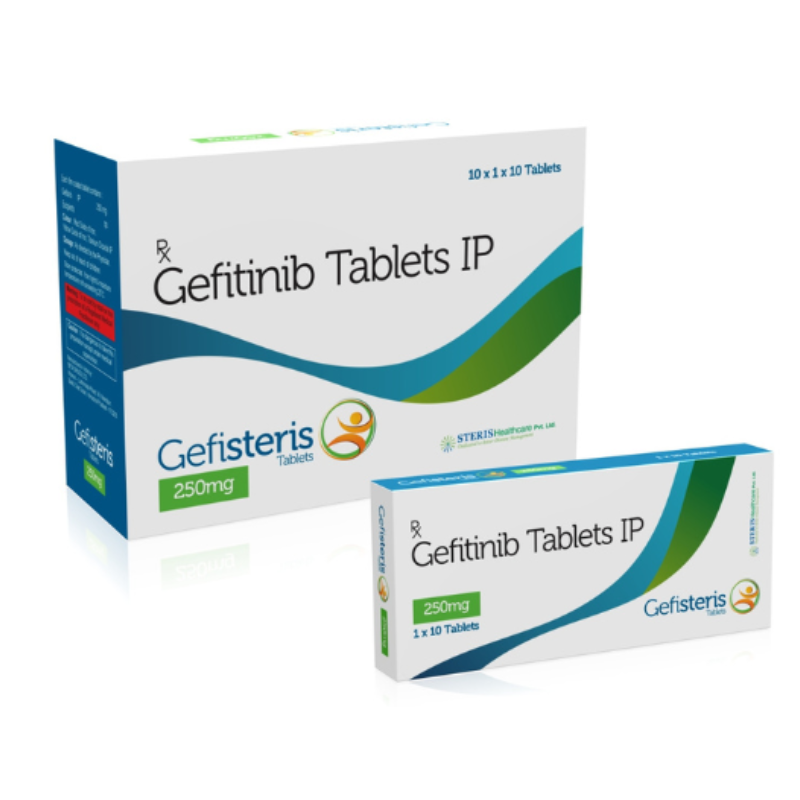
GEFISTERIS 250 is a prescription medication containing Gefitinib 250 mg, a potent tyrosine kinase inhibitor (TKI) primarily used in the treatment of non-small cell lung cancer (NSCLC). This medication works by targeting and inhibiting the epidermal growth factor receptor (EGFR), which plays a critical role in the growth and spread of cancer cells.
Gefitinib is especially effective in patients whose cancer cells exhibit specific EGFR mutations, allowing it to slow tumor progression, improve quality of life, and extend survival. As an oral targeted therapy, GEFISTERIS 250 provides patients with a convenient alternative to intravenous chemotherapy, offering effective disease management with comparatively fewer hospital visits.
The development of Gefitinib has revolutionized the treatment of EGFR-positive NSCLC, providing hope for patients with advanced or metastatic lung cancer. GEFISTERIS 250 is recommended as part of a comprehensive cancer treatment plan under strict medical supervision.
Uses
GEFISTERIS 250 is prescribed for patients with advanced or metastatic non-small cell lung cancer (NSCLC) that is EGFR mutation-positive. Its targeted mechanism makes it effective in slowing the growth of cancer cells and managing tumor progression.
Key Uses:
First-line treatment for EGFR mutation-positive advanced NSCLC
Second-line therapy for patients who have progressed after platinum-based chemotherapy
Management of metastatic lung adenocarcinoma
Reducing tumor progression and controlling cancer-related symptoms
Improving patient quality of life in advanced-stage lung cancer
This medication is specifically designed for patients whose cancer cells are driven by EGFR mutations, making genetic testing an essential step before starting therapy.
Benefits
GEFISTERIS 250 offers several benefits that make it a preferred therapy for EGFR-positive NSCLC:
1. Targeted Cancer Therapy
Gefitinib selectively inhibits the EGFR tyrosine kinase, preventing cancer cells from multiplying while minimizing damage to normal cells.
2. Oral Convenience
Being an oral medication, GEFISTERIS 250 allows patients to take the treatment at home, reducing the need for frequent hospital visits and improving convenience.
3. Improved Tumor Control
Clinical studies have shown that Gefitinib can significantly reduce tumor size, slow disease progression, and extend progression-free survival in EGFR-mutated NSCLC patients.
4. Fewer Severe Side Effects Compared to Chemotherapy
Targeted therapy with Gefitinib generally has less severe systemic side effects than traditional chemotherapy, enhancing patient comfort and adherence.
5. Enhances Quality of Life
By reducing tumor burden and managing symptoms, GEFISTERIS 250 helps patients maintain physical function, energy levels, and daily activity.
6. Suitable for Advanced and Metastatic Cases
Patients with advanced-stage or metastatic NSCLC benefit from Gefitinib as it targets specific pathways that drive cancer growth, even in complex disease scenarios.
Dosage
The dosage of GEFISTERIS 250 Gefitinib 250 mg should always follow a doctor’s prescription, as it depends on the patient’s condition, tolerance, and response to therapy.
Standard Dosage Guidelines:
Recommended dose: 250 mg once daily, orally
Take the tablet at the same time each day, with or without food
Swallow the tablet whole with water; do not crush, chew, or split
Continue therapy until disease progression or unacceptable toxicity occurs
Dose adjustments may be necessary in patients with liver impairment or severe adverse effects
Regular monitoring of liver function, kidney function, and blood counts is essential during treatment. Adherence to the prescribed schedule ensures maximum efficacy.
Side Effects
While GEFISTERIS 250 is generally well-tolerated, some patients may experience side effects. Most are mild to moderate, but severe reactions can occur and require medical attention.
Common Side Effects:
Skin rash or acne-like eruptions
Diarrhea or mild gastrointestinal upset
Nausea or vomiting
Fatigue and weakness
Less Common but Serious Side Effects:
Liver toxicity (elevated liver enzymes, jaundice)
Interstitial lung disease (cough, shortness of breath, fever)
Severe allergic reactions (rash, swelling, difficulty breathing)
Eye problems (dryness, blurred vision)
Patients should report persistent or severe symptoms to their doctor immediately. Routine monitoring and early intervention can minimize the risk of serious complications.
Precautions and Warning
To ensure safe use, several precautions and warnings must be observed while taking GEFISTERIS 250:
Precautions:
Inform your doctor if you have liver, kidney, or lung disease
Genetic testing for EGFR mutation is mandatory before starting therapy
Avoid using St. John’s Wort or other herbal supplements without consulting your doctor, as they may reduce Gefitinib effectiveness
Regular liver function tests and imaging studies are recommended
Warnings:
Not suitable for patients without EGFR mutations
Pregnant or breastfeeding women should avoid Gefitinib
Monitor for signs of interstitial lung disease, which can be life-threatening if untreated
Avoid missing doses or abrupt discontinuation, as it may affect treatment efficacy
Close supervision by an oncology specialist is essential to maximize benefits and minimize risks.
Conclusion
GEFISTERIS 250, containing Gefitinib 250 mg, is an advanced targeted therapy for EGFR-positive non-small cell lung cancer. Its mechanism of action selectively inhibits EGFR, slowing tumor growth, reducing progression, and improving patient outcomes.
With advantages such as oral convenience, effective tumor control, fewer systemic side effects, and suitability for advanced or metastatic cases, GEFISTERIS 250 has become a cornerstone in modern NSCLC treatment.
When used under strict medical supervision, following the prescribed dosage, and accompanied by regular monitoring, GEFISTERIS 250 helps patients manage symptoms, enhance quality of life, and achieve optimal disease control. This targeted therapy provides hope for patients battling advanced lung cancer, offering both efficacy and improved comfort compared to conventional chemotherapy.