
Introduction
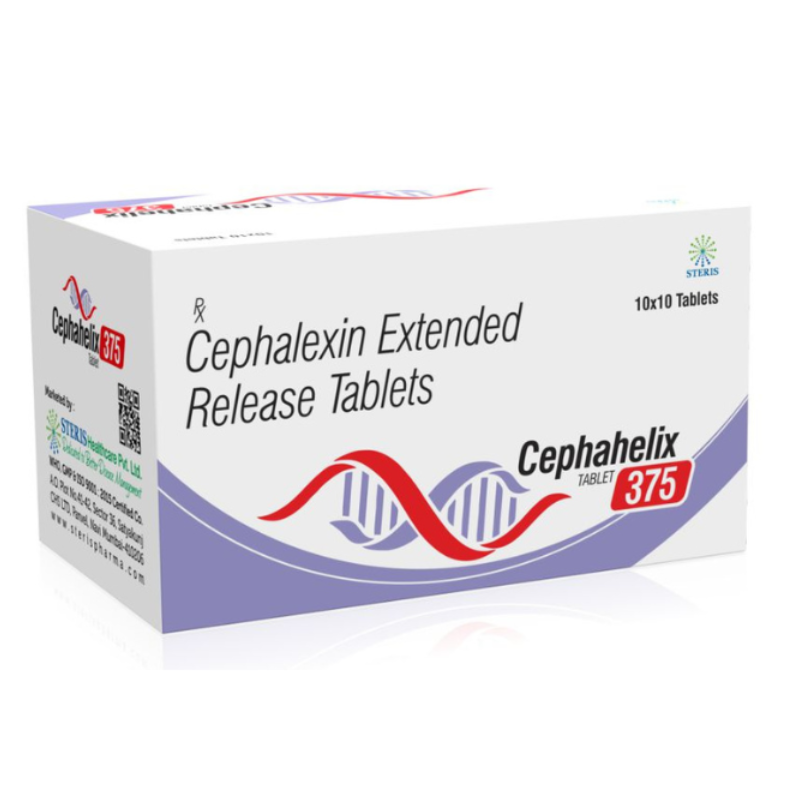
CEPHAHELIX 375 is a prescription antibiotic containing cephalexin 375 mg, a well-established first-generation cephalosporin used to treat a wide range of bacterial infections. Cephalexin works by inhibiting bacterial cell wall synthesis, leading to the destruction of infection-causing bacteria. It is effective against many gram-positive and selected gram-negative organisms, making it a trusted choice in routine clinical practice.
In the Indian healthcare setting, CEPHAHELIX 375 is commonly prescribed for infections of the respiratory tract, skin, soft tissues, urinary tract, bones, and ears. Its proven efficacy, predictable safety profile, and good patient tolerance make it suitable for both acute and moderately severe infections when prescribed by a healthcare professional.
Uses of CEPHAHELIX 375
CEPHAHELIX 375 tablets' primary uses include the treatment of bacterial infections caused by susceptible organisms. It is prescribed for:
Respiratory tract infections, including throat infections and bronchitis
Skin and soft tissue infections, such as cellulitis, boils, and infected wounds
Urinary tract infections (UTIs) caused by sensitive bacteria
Ear infections, including otitis media
Bone and joint infections, as part of combination therapy
Dental infections, when bacterial involvement is suspected
CEPHAHELIX 375 is effective only against bacterial infections and should not be used for viral illnesses such as the common cold or flu.
Benefits of Cephalexin 375 mg
CEPHAHELIX 375 offers several therapeutic benefits that contribute to effective infection control:
Broad antibacterial coverage: Effective against common bacteria responsible for community-acquired infections
Rapid infection control: Helps reduce symptoms such as fever, pain, swelling, and redness
Well-tolerated antibiotic: Suitable for patients who may not tolerate stronger antibiotics
Flexible dosing: Can be used in different infection types based on medical advice
Reliable safety profile: Widely used across age groups under supervision
Convenient oral formulation: Easy to administer, improving patient compliance
These benefits make cephalexin 375 mg a dependable option for treating mild to moderate bacterial infections.
Dosage of CEPHAHELIX 375
The dosage of CEPHAHELIX 375 depends on the type and severity of infection, patient age, and overall health condition.
Adults: Usually 375 mg taken 2 to 3 times daily, as prescribed
Children: Dosage is based on body weight and should be strictly determined by a doctor
The tablet should be swallowed whole with water
Can be taken with or without food, although taking it with food may reduce stomach discomfort
It is important to complete the full course of antibiotics even if symptoms improve early. Skipping doses or stopping treatment prematurely may lead to antibiotic resistance or recurrence of infection.
Side Effects of CEPHAHELIX 375
CEPHAHELIX 375 is generally safe when taken as prescribed, but some patients may experience side effects.
Common side effects include:
Nausea or vomiting
Diarrhoea
Stomach pain or indigestion
Headache
Mild skin rash
Rare but serious side effects may include:
Severe allergic reactions such as itching, swelling, or difficulty breathing
Persistent diarrhoea indicating antibiotic-associated colitis
Abnormal liver enzyme levels (rare)
Most side effects are mild and temporary. However, any severe or persistent symptoms should be reported to a healthcare provider immediately.
Precautions and Warning
Before using CEPHAHELIX 375, the following precautions should be considered:
Allergy history: Inform your doctor if you are allergic to cephalosporins or penicillin antibiotics
Kidney disorders: Dose adjustment may be required in patients with impaired kidney function
Pregnancy and breastfeeding: Use only if clearly prescribed by a healthcare professional
Drug interactions: Inform your doctor about other medicines, including blood thinners or supplements
Gastrointestinal conditions: Use cautiously in patients with a history of colitis
CEPHAHELIX 375 should not be used without medical advice and should never be shared with others, even if symptoms appear similar.
FAQs;
What is cephalexin 375 mg used for?
Cephalexin 375 mg is used to treat bacterial infections such as respiratory tract infections, skin and soft tissue infections, urinary tract infections, ear infections, and dental infections caused by susceptible bacteria.
Is cephalexin 375 mg an antibiotic?
Yes, cephalexin 375 mg is a cephalosporin antibiotic. It works by killing bacteria that cause infections and is effective against both gram-positive and some gram-negative bacteria.
How does cephalexin 375 mg work?
Cephalexin works by inhibiting bacterial cell wall synthesis, which leads to the breakdown and death of bacteria, helping the body clear the infection effectively.
Can cephalexin 375 mg be used for throat infection?
Yes, cephalexin 375 mg is commonly prescribed for bacterial throat infections, including tonsillitis and pharyngitis, when caused by susceptible organisms.
Is cephalexin 375 mg used for UTI?
Yes, cephalexin 375 mg can be used to treat urinary tract infections (UTIs) caused by sensitive bacteria, as prescribed by a doctor.
What is the recommended dosage of cephalexin 375 mg?
The usual cephalexin 375 mg dosage is 2 to 3 times daily, depending on the severity and type of infection. Always follow your doctor’s instructions.
Should cephalexin 375 mg be taken with food?
Cephalexin 375 mg can be taken with or without food. Taking it with food may help reduce stomach discomfort.
What are the common side effects of cephalexin 375 mg?
Common cephalexin 375 mg side effects include:
Nausea or vomiting
Diarrhoea
Stomach pain
Headache
Mild skin rash
These side effects are usually mild and temporary.
Can cephalexin 375 mg cause diarrhea?
Yes, mild diarrhea is a common side effect of cephalexin. However, severe or persistent diarrhea should be reported to a doctor, as it may indicate antibiotic-associated colitis.
Is cephalexin 375 mg safe during pregnancy?
Cephalexin 375 mg is generally considered safe during pregnancy when prescribed by a doctor, but it should only be used under medical supervision.
Can cephalexin 375 mg be taken while breastfeeding?
Yes, cephalexin can be taken during breastfeeding, as only small amounts pass into breast milk. Consult your doctor for personalized advice.
Who should not take cephalexin 375 mg?
Cephalexin 375 mg should be avoided by patients with:
Known allergy to cephalosporin antibiotics
History of severe allergic reactions to penicillin
Severe kidney disease without medical supervision
Why is it important to complete the full course of cephalexin 375 mg?
Completing the full course helps completely eliminate bacteria, prevents recurrence of infection, and reduces the risk of antibiotic resistance.
Is cephalexin 375 mg effective for viral infections?
No, Cephalexin 375 mg does not work against viral infections such as the common cold or flu
Conclusion
CEPHAHELIX 375 (Cephalexin 375 mg) is a trusted and effective antibiotic for the treatment of a wide range of bacterial infections. Its broad antibacterial activity, good tolerability, and convenient oral dosing make it a preferred choice for managing respiratory, skin, urinary, ear, and soft tissue infections.
When used responsibly under medical supervision and with completion of the prescribed course, CEPHAHELIX 375 helps eliminate infection, reduces complications, and supports faster recovery. It remains a reliable option in modern antibiotic therapy, particularly for community-acquired bacterial infections where safety and efficacy are equally important.