
Introduction
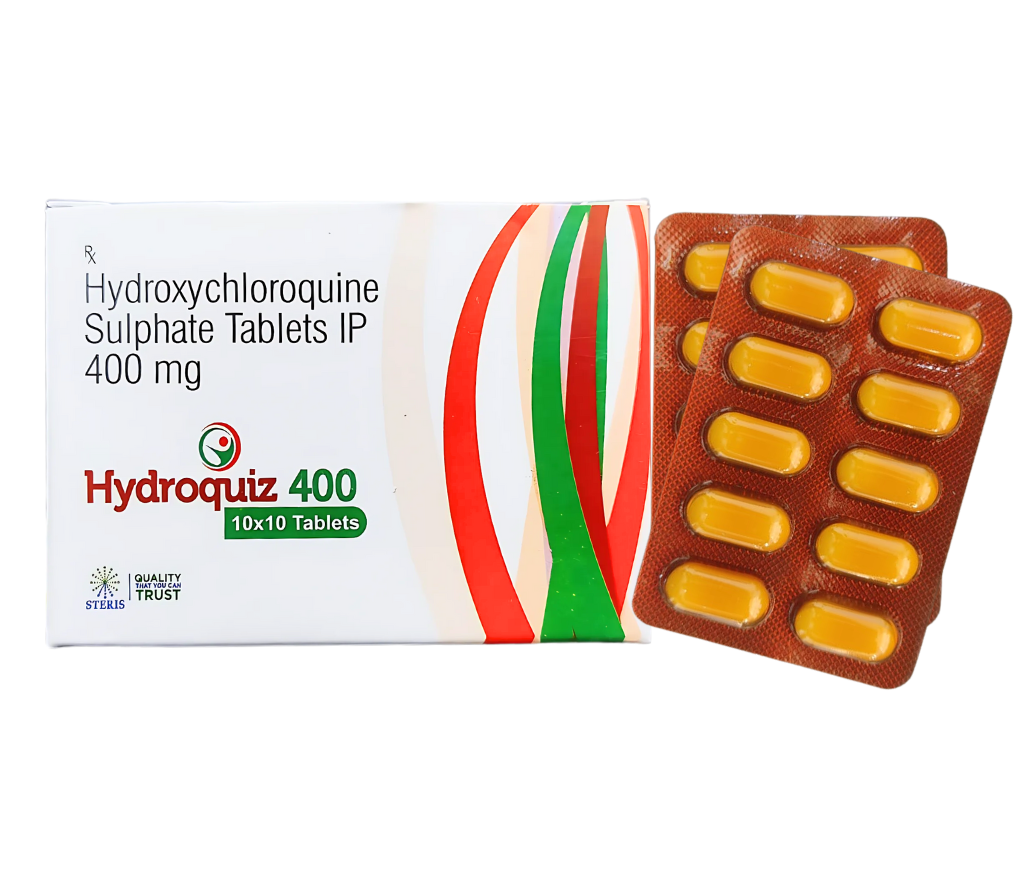
Hydroxychloroquine 400 mg (marketed as HYDROQUIZ 400) is a widely used medication known for its immunomodulatory and antimalarial properties. It plays a significant role in managing autoimmune diseases like rheumatoid arthritis and systemic lupus erythematosus, as well as certain malaria strains. This article provides a detailed insight into hydroxychloroquine 400 mg, including its mechanism of action, clinical uses, efficacy, safety profile, and essential patient advice.
Chemical Composition
Active Ingredient: Hydroxychloroquine 400 mg
Mechanism of Action
Hydroxychloroquine 400 mg exerts its effects primarily by modulating the immune system and interfering with cellular processes. It increases the pH in intracellular lysosomes and endosomes, which inhibits antigen processing and presentation by immune cells. This leads to reduced activation of immune cells such as T cells and a decrease in inflammatory cytokine production (e.g., tumor necrosis factor and interleukin-1). It also suppresses the activation of Toll-like receptors (TLRs), key players in the innate immune response that trigger inflammation in autoimmune diseases. Additionally, hydroxychloroquine interferes with lysosomal activity, proteolysis, and antigen presentation, leading to its immunomodulatory effect. Its antimalarial action involves accumulation in parasite lysosomes, elevating pH and disrupting hemoglobin digestion, which is toxic to the malaria parasite.
Uses and Indications
Hydroxychloroquine 400 mg uses include:
Treatment and management of autoimmune diseases such as rheumatoid arthritis and systemic lupus erythematosus.
Prophylaxis and treatment of certain malaria infections.
Off-label use in some viral infections and inflammatory conditions under medical supervision.
Efficacy and Clinical Evidence
Clinical trials and studies have established hydroxychloroquine 400 mg as an effective disease-modifying agent in autoimmune disorders, reducing flares and symptom severity. Its immunomodulatory effects contribute to improved patient outcomes with a relatively favorable safety profile. While it is not a cure for autoimmune diseases, it significantly slows disease progression and reduces inflammation. Research also supports its safe use in malaria prophylaxis and treatment.
Side Effects and Safety Profile
Common side effects of hydroxychloroquine 400 mg include:
Gastrointestinal upset (nausea, diarrhea)
Headache and dizziness
Skin rash and itching
Rare but serious effects: retinal toxicity (with long-term use), cardiomyopathy, and hypoglycemia.
Regular eye examinations are recommended during prolonged therapy to monitor for retinal damage. Hydroxychloroquine is generally well tolerated when used as prescribed but requires careful monitoring in patients with pre-existing cardiac or retinal conditions.
Contraindications and Precautions
Known hypersensitivity to hydroxychloroquine or related compounds.
Pre-existing retinopathy or maculopathy.
Caution in patients with cardiac arrhythmias or prolonged QT interval.
Pregnancy and breastfeeding: Use only if benefits outweigh risks; consult healthcare provider.
Kidney or liver impairment requires dose adjustment and monitoring.
Drug Interactions
Hydroxychloroquine may interact with:
Other QT-prolonging drugs (increased risk of arrhythmia)
Antidiabetic agents (may enhance hypoglycemic effect)
Antiepileptic drugs (possible altered drug levels)
Cytochrome P450 inhibitors or inducers affecting hydroxychloroquine metabolism.
Patients should inform their healthcare providers about all medications to avoid adverse interactions.
Warnings and Regulatory Status
Hydroxychloroquine is approved by major drug regulatory authorities for specified indications. It must be used under medical supervision with adherence to monitoring protocols due to risks of retinal toxicity and cardiac effects. Warning includes avoiding overdose and ensuring regular ophthalmologic exams.
Patient Advice and Tips
Take hydroxychloroquine 400 mg dosage exactly as prescribed, usually with food to minimize stomach upset.
Do not abruptly stop the medication without medical advice.
Schedule regular eye check-ups during prolonged use.
Report any vision changes, muscle weakness, or cardiac symptoms promptly.
Avoid self-medication and store medicine safely out of reach of children.
Availability
HYDROQUIZ 400 is widely available in pharmacies and through authorized distributors, including Steris Healthcare Pvt Ltd, ensuring access to high-quality hydroxychloroquine 400 mg tablets.
Why Choose Steris Healthcare Pvt Ltd?
Steris Healthcare Pvt Ltd is committed to delivering pharmaceuticals that meet high standards of quality and safety. Their dedication to stringent manufacturing practices, global compliance, reliability, and patient safety ensures that HYDROQUIZ 400 and other medicines consistently perform as intended, supporting optimal therapeutic outcomes.
Frequently Asked Questions
How to take hydroxychloroquine 400 mg?
Take with food or milk at the prescribed dose and schedule; do not exceed the recommended dose. Regular monitoring is important.What is hydroxychloroquine 400 mg used for?
It is primarily used for autoimmune diseases like lupus and rheumatoid arthritis, and for malaria treatment and prevention.Are there any serious side effects?
Yes, long-term use may lead to retinal toxicity; cardiac effects are rare but serious. Regular monitoring is advised.Can hydroxychloroquine be used during pregnancy?
Use only if clearly needed and prescribed by a doctor, weighing benefits against potential risks.What should I do if I miss a dose?
Take as soon as you remember unless it is near the next dose; do not double dose.
Conclusion
Hydroxychloroquine 400 mg (HYDROQUIZ 400) remains an essential medication in the management of various autoimmune disorders and malaria. Its well-researched immunomodulatory and antimalarial mechanisms, combined with established clinical efficacy and a generally safe profile, make it a trusted choice in clinical practice. With appropriate use, monitoring, and guidance from healthcare professionals, patients can benefit from effective disease control and improved quality of life.