
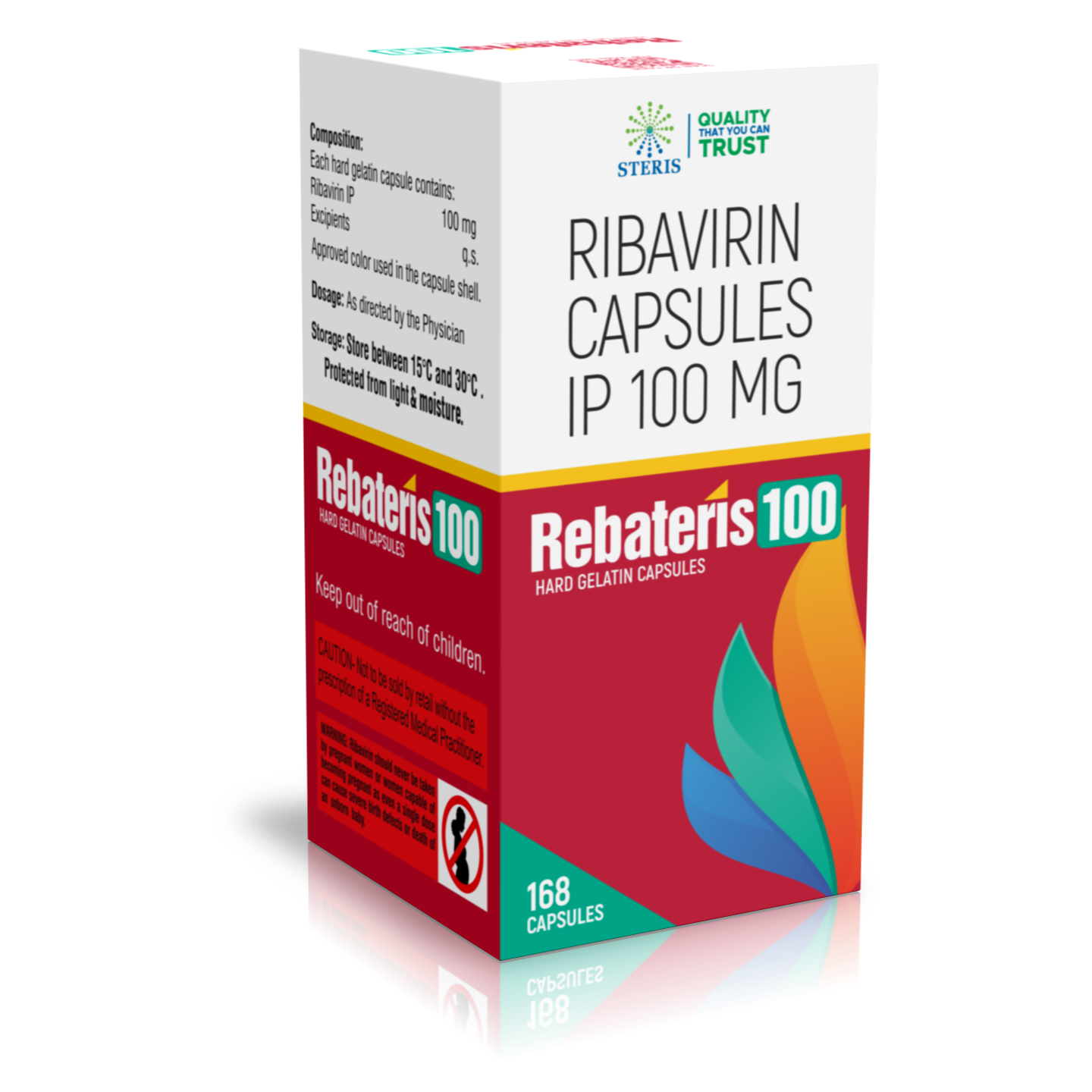
Ribavirin is a broad-spectrum antiviral medication widely used in the treatment of various viral infections, including hepatitis C, respiratory syncytial virus (RSV), and certain viral hemorrhagic fevers. Its discovery revolutionized antiviral therapy due to its efficacy against RNA and DNA viruses. Ribavirin is often prescribed either as a monotherapy or in combination with other antiviral drugs, such as interferon, to enhance its therapeutic effects.
Understanding the mechanism of action, uses, side effects, and chemical structure of ribavirin helps healthcare professionals and patients use it safely and effectively. This article provides a comprehensive guide to ribavirin, including commonly asked questions and practical considerations for clinical use.
Ribavirin Mechanism of Action
Ribavirin is a nucleoside analog, structurally similar to guanosine. Its antiviral action is multifactorial, targeting viral replication at different stages. The key mechanisms include:
1. Inhibition of Viral RNA Synthesis
Ribavirin is phosphorylated inside host cells into ribavirin triphosphate. This active form inhibits viral RNA-dependent RNA polymerase, preventing the replication of viral RNA. By interfering with the replication machinery, ribavirin effectively reduces viral load.
2. Induction of Lethal Mutagenesis
Ribavirin causes incorporation of incorrect nucleotides into the viral RNA during replication, leading to mutations. Excessive mutations accumulate, resulting in non-functional viral progeny. This mechanism, known as lethal mutagenesis, is especially effective against RNA viruses.
3. Inhibition of GTP Synthesis
Ribavirin inhibits inosine monophosphate dehydrogenase (IMPDH), an enzyme required for the synthesis of guanosine triphosphate (GTP). Reduced GTP levels limit viral replication and protein synthesis.
4. Immunomodulatory Effects
Ribavirin can enhance the host immune response by promoting Th1 cytokine production, improving the antiviral defense system. This dual action—direct antiviral effect plus immune modulation—makes ribavirin effective in combination therapies.
Ribavirin Uses
Ribavirin is approved for the treatment of several viral infections, and its uses include:
1. Hepatitis C Virus (HCV) Infection
Often combined with pegylated interferon or direct-acting antivirals (DAAs).
Helps achieve sustained virologic response (SVR), reducing the risk of liver cirrhosis and hepatocellular carcinoma.
2. Respiratory Syncytial Virus (RSV) Infection
Administered via aerosol inhalation, especially in infants and immunocompromised patients.
Reduces viral load and respiratory complications.
3. Viral Hemorrhagic Fevers
Used in the treatment of Lassa fever, Hantavirus infections, and other hemorrhagic viral diseases.
Early administration improves survival rates.
4. Off-Label Uses
Sometimes prescribed for severe influenza infections in high-risk patients.
Investigational use for emerging viral infections, including certain coronaviruses, under strict clinical supervision.
Ribavirin Side Effects
Ribavirin is generally well-tolerated but may cause side effects. Monitoring is essential, especially during long-term therapy.
Common Side Effects
Fatigue and headache
Nausea and vomiting
Loss of appetite
Rash and itching
Serious Side Effects
Hemolytic anemia: Ribavirin can reduce red blood cell count, causing fatigue, shortness of breath, and pallor.
Teratogenicity: Ribavirin is highly teratogenic and contraindicated in pregnancy; both male and female patients must use effective contraception during therapy and for 6 months after treatment.
Liver and kidney function changes: Regular monitoring is required for patients with pre-existing hepatic or renal conditions.
Cardiovascular effects: Rarely, ribavirin may exacerbate heart failure in susceptible patients.
Precautions
Always follow prescribed dosage.
Avoid combining with other nephrotoxic or hepatotoxic drugs without supervision.
Monitor blood counts, liver enzymes, and kidney function periodically.
Ribavirin Structure
The chemical structure of ribavirin provides insight into its mechanism as a nucleoside analog:
Chemical Name: 1-β-D-ribofuranosyl-1,2,4-triazole-3-carboxamide
Molecular Formula: C8H12N4O5
Molecular Weight: 244.2 g/mol
Structure Characteristics:
Ribavirin contains a triazole ring, which mimics guanosine.
The ribose sugar moiety allows incorporation into viral RNA.
Its design facilitates inhibition of viral polymerase and lethal mutagenesis.
The combination of ribavirin’s triazole base and ribose sugar is responsible for its potent antiviral activity against RNA viruses.
Frequently Asked Questions
1. Can ribavirin be used in children?
Yes, ribavirin aerosol is sometimes prescribed for children with severe RSV infection. Oral forms are used under pediatric supervision for specific viral infections.
2. Is ribavirin safe during pregnancy?
No. Ribavirin is highly teratogenic. Both male and female patients must avoid conception during treatment and for at least six months afterward.
3. How is ribavirin administered?
Oral capsules or tablets for hepatitis C
Aerosol inhalation for RSV
Intravenous administration in specialized hospital settings for viral hemorrhagic fevers
4. Can ribavirin cause anemia?
Yes, hemolytic anemia is a known side effect. Regular blood monitoring is necessary during therapy.
5. How long does it take for ribavirin to work?
The duration depends on the infection. For HCV, ribavirin is typically used in combination therapy for 12–48 weeks. Symptom relief in RSV may occur within a few days of aerosol therapy.
6. Does ribavirin interact with other medications?
Yes, it may interact with drugs such as azathioprine, didanosine, and certain immunosuppressants. Always consult your healthcare provider before starting combination therapy.
Conclusion
Ribavirin is a versatile antiviral drug with broad-spectrum efficacy against RNA and DNA viruses. Its mechanisms—including viral RNA inhibition, lethal mutagenesis, and immune modulation—make it a cornerstone in the management of chronic hepatitis C, RSV infections, and hemorrhagic viral fevers.
While ribavirin offers substantial benefits, careful monitoring is essential due to potential side effects like hemolytic anemia and teratogenicity. Understanding its structure, mechanism of action, uses, and precautions helps healthcare providers optimize therapy while minimizing risks.
By adhering to medical guidance and proper dosing, ribavirin remains a vital component of modern antiviral therapy, providing hope and improved outcomes for patients with serious viral infections.