
Introduction
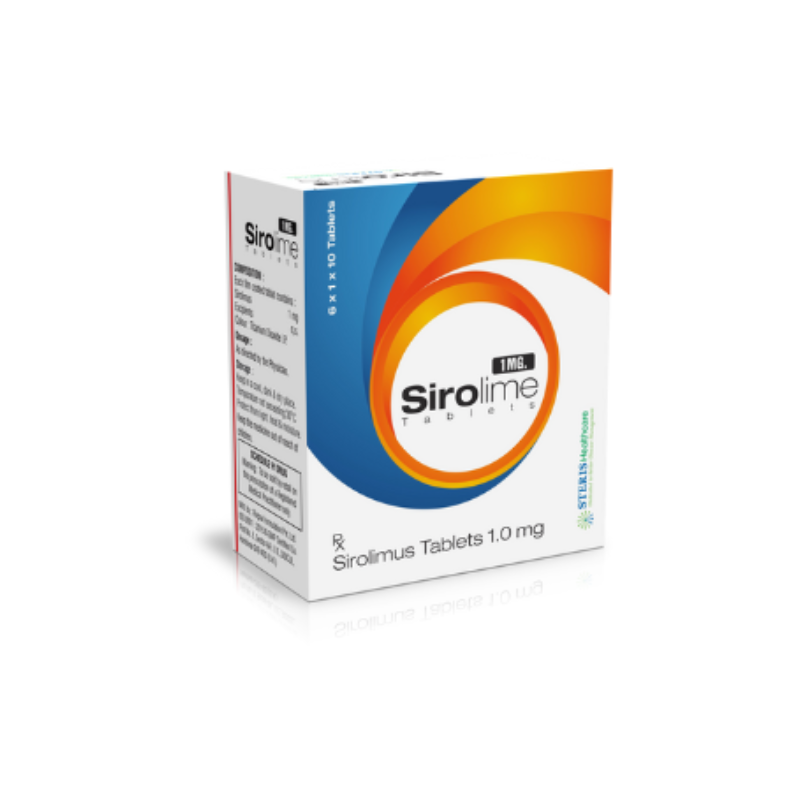
Organ transplant patients require precise medication to prevent organ rejection and maintain long-term health. SIROLIME 1 contains Sirolimus 1 mg, an immunosuppressant used to prevent organ rejection in patients who have undergone kidney or other organ transplants. Sirolimus works by inhibiting the activity of immune cells that could attack the transplanted organ, thereby reducing the risk of rejection and supporting graft survival. Its unique mechanism of action makes SIROLIME 1 a vital part of post-transplant therapy under careful medical supervision.
Uses
SIROLIME 1 is primarily used for:
Prevention of organ rejection in kidney transplant patients
Supporting long-term survival of transplanted organs
As part of combination therapy with other immunosuppressive medications such as corticosteroids or calcineurin inhibitors
In certain cases, for off-label use in managing specific autoimmune conditions under strict medical supervision
It is intended for adult patients who have undergone organ transplantation and require immunosuppressive therapy.
Benefits
SIROLIMUS 1 provides multiple benefits in post-transplant care:
Prevents Organ Rejection—Suppresses immune activity that can target the transplanted organ.
Supports Graft Survival—Helps maintain long-term function of transplanted kidneys or other organs.
Reduces Dependence on High-Dose Steroids—Can be used in combination therapy to minimize steroid-related side effects.
Targeted Immunosuppression—Acts selectively on T-cell activity, reducing unnecessary suppression of other immune functions.
Improved Post-Transplant Outcomes – Contributes to better overall recovery and quality of life after organ transplantation.
Dosage
The dosage of SIROLIME 1 should always be determined by a healthcare professional, tailored to the patient’s weight, transplant type, and co-administered medications:
Typical dose: As prescribed by your transplant physician, often once daily.
Can be taken with or without food, although consistent timing is important.
Regular blood level monitoring is essential to ensure therapeutic effectiveness and prevent toxicity.
Do not adjust the dose or stop therapy without consulting your doctor. Abrupt discontinuation may increase the risk of organ rejection.
Side Effects
SIROLIMUS 1 is generally well-tolerated but may cause side effects, including:
Increased risk of infections due to immune suppression
High cholesterol or triglyceride levels
Swelling in hands, feet, or legs
Mouth ulcers or mild gastrointestinal discomfort
Rarely, low blood counts, liver dysfunction, or delayed wound healing
Patients should immediately report severe or unusual symptoms to their healthcare provider.
Precautions and Warnings
Use SIROLIMUS 1 under strict medical supervision to prevent organ rejection.
Avoid live vaccines while taking this medication.
Inform your doctor about any other medications to prevent drug interactions, especially with antifungals, antibiotics, or other immunosuppressants.
Pregnant or breastfeeding women should not use SIROLIME 1 unless specifically advised by a physician.
Regular blood tests are required to monitor drug levels, kidney function, liver function, and lipid profiles.
Maintain good hygiene and avoid exposure to infections due to immune suppression.
FAQs;
1. What is SIROLIME 1 used for?
SIROLIMUS 1 is used to prevent organ rejection in patients who have undergone kidney or other organ transplants. It supports long-term graft survival and post-transplant health.
2. How does SIROLIME 1 work?
It is an immunosuppressant that selectively inhibits T-cell activity, reducing the immune system’s attack on the transplanted organ.
3. How should I take SIROLIME 1?
Take the prescribed dose once daily with or without food. Do not change the dose or stop therapy without your doctor’s advice. Regular monitoring of blood levels is required.
4. Can SIROLIME 1 cause side effects?
Yes, common side effects include increased infection risk, swelling, high cholesterol, mouth ulcers, and gastrointestinal discomfort. Severe reactions are rare but should be reported immediately.
5. Is SIROLIME 1 safe during pregnancy or breastfeeding?
SIROLIME 1 is not recommended during pregnancy or breastfeeding unless prescribed by a physician under strict supervision.
6. Can SIROLIMUS 1 be combined with other medications?
Yes, it is often used with corticosteroids or calcineurin inhibitors. However, it may interact with antifungals, antibiotics, and other immunosuppressants. Consult your doctor before combining medications.
7. How does SIROLIMUS 1 improve post-transplant outcomes?
By preventing organ rejection and preserving graft function, SIROLIME 1 improves overall recovery, reduces complications, and enhances quality of life after transplantation.
8. Do I need regular blood tests while taking SIROLIME 1?
Yes, regular monitoring of drug levels, kidney and liver function, and lipid profiles is essential to ensure safety and effectiveness.
9. Can SIROLIMUS 1 increase the risk of infections?
Yes, since it suppresses immune activity, patients should avoid exposure to infections and maintain strict hygiene practices.
10. Where can I buy SIROLIME 1 in India?
SIROLIME 1 is available at licensed pharmacies and authorized online medical stores. Always purchase from trusted sources to ensure product authenticity and safety.
Conclusion
SIROLIME 1 is a vital immunosuppressant containing Sirolimus 1 mg, essential for preventing organ rejection in transplant patients. Its selective action on the immune system helps preserve graft function, improve post-transplant recovery, and support long-term health outcomes. When taken as prescribed and monitored regularly, SIROLIME 1 is an effective and reliable part of post-transplant care, offering patients a better chance at maintaining organ health and overall well-being.