
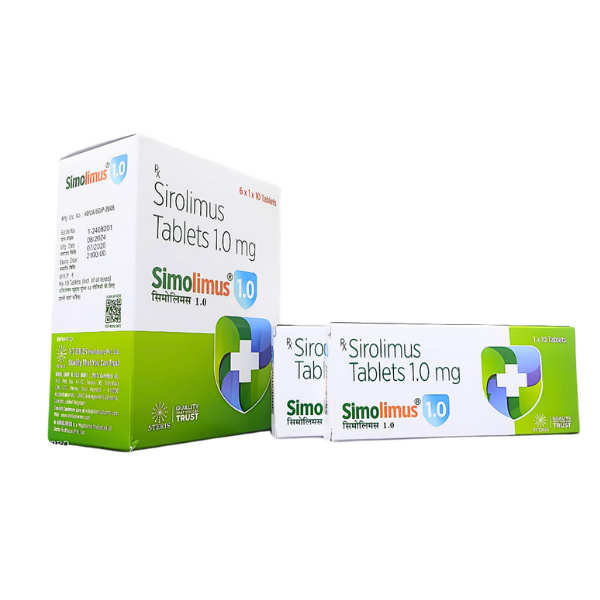
Siromus 1mg Tablet: View Uses, Side Effects, Price and more
SIMOLIMUS 1.0 is a prescription medication that contains Sirolimus, an immunosuppressant drug that is primarily used to prevent organ rejection in patients who have undergone kidney transplants. Sirolimus belongs to a class of drugs known as mTOR inhibitors (mechanistic target of rapamycin), and it works by suppressing the immune system to prevent it from attacking the newly transplanted organ.
Sirolimus has also been used in various other medical conditions and treatments, such as certain types of cancer and specific vascular conditions. This article will provide a comprehensive overview of SIMOLIMUS 1.0, including its composition, usage, dosage, side effects, and important precautions.
Composition of Sirolimus 1.0
Each tablet of SIMOLIMUS 1.0 contains:
- Sirolimus (1 mg)
Sirolimus is the active ingredient responsible for the medication\'s immunosuppressive effects. In addition to Sirolimus, the tablet contains various inactive ingredients (excipients) that help maintain the medication’s stability and effectiveness.
How Does Sirolimus Work?
Sirolimus works by inhibiting the activity of a protein known as mTOR (mechanistic target of rapamycin). This protein plays a crucial role in regulating cell growth, proliferation, and survival. By blocking mTOR, Sirolimus suppresses the activation of T-cells and B-cells, which are essential components of the immune system. As a result, it helps prevent the immune system from attacking the transplanted organ, thereby reducing the risk of organ rejection.
Indications and Usage
SIMOLIMUS 1.0 (Sirolimus) is primarily prescribed for the following conditions:
Prevention of Organ Rejection in Kidney Transplants:
- Sirolimus is most commonly used to prevent the rejection of a kidney transplant. It is typically prescribed in combination with other immunosuppressant medications, such as cyclosporine or tacrolimus, to ensure adequate immune suppression.
Liver and Heart Transplants (Off-label Use):
- While Sirolimus is not typically used for liver or heart transplants, it may be prescribed off-label for patients who experience complications with other immunosuppressive drugs.
Treatment of Certain Types of Cancer:
- Sirolimus has shown potential in the treatment of advanced renal cell carcinoma (kidney cancer) and certain other cancers, though it is often used in combination with other chemotherapy agents.
Other Medical Conditions (Off-label Use):
- Sirolimus has been explored for the treatment of various conditions like tuberous sclerosis complex (TSC), lymphangioleiomyomatosis (LAM), and some vascular conditions that involve abnormal cell growth and proliferation.
Dosage and Administration
SIMOLIMUS 1.0 is available in tablet form, and the dosage will vary based on the patient\'s medical condition, transplant type, age, weight, and other factors.
Typical Dosage for Kidney Transplant Patients:
- The initial dose for preventing organ rejection in kidney transplant patients is usually 6 mg on the first day, followed by 2 mg to 4 mg daily for maintenance.
- The dosage is often adjusted based on blood levels of Sirolimus, which should be monitored regularly to ensure the patient maintains a therapeutic range.
General Dosage Considerations:
- Adult dosage: For most transplant patients, Sirolimus is typically dosed between 1 mg to 5 mg per day, depending on the individual’s needs and response to treatment.
- Pediatric dosage: Children who have received a kidney transplant are generally started on lower doses, and the dosage is adjusted based on blood concentration.
- Dose adjustment: Dosage may need to be adjusted for those with liver problems or those on other medications that interact with Sirolimus.
Administration:
- Sirolimus should be taken exactly as prescribed by a healthcare provider. It is usually taken once a day, with or without food.
- The tablet should be swallowed whole, without crushing or chewing.
Side Effects of Sirolimus 1.0
Like all medications, SIMOLIMUS 1.0 may cause side effects. Not all patients will experience side effects, and many side effects are manageable. Below is a list of common and serious side effects that may occur.
Common Side Effects:
- Gastrointestinal issues:
- Nausea
- Vomiting
- Diarrhea
- Stomach discomfort or pain
- Headache
- Fatigue or weakness
- Skin reactions:
- Rash
- Acne
- Itching
- Mouth sores or ulcers
- Elevated blood sugar (hyperglycemia)
Serious Side Effects (Require Immediate Medical Attention):
- Infections: Sirolimus suppresses the immune system, making patients more vulnerable to infections. Serious infections, such as pneumonia, fungal infections, and viral infections, can occur.
- Liver problems: Symptoms include yellowing of the skin or eyes (jaundice), dark urine, and severe stomach pain.
- Kidney damage: Sirolimus can cause or worsen kidney problems, which may be indicated by changes in urine output, swelling in the legs or feet, or elevated blood pressure.
- Lung problems: Some patients may develop interstitial lung disease or other lung complications, which can result in difficulty breathing, coughing, or chest pain.
- High cholesterol and triglycerides: Sirolimus can lead to elevated cholesterol and triglyceride levels, increasing the risk of cardiovascular problems.
Other Potential Side Effects:
- High blood pressure (hypertension)
- Anemia (low red blood cell count)
- Increased risk of certain types of cancers (due to long-term immune suppression)
Precautions and Warnings
Before using SIMOLIMUS 1.0, it is important to consider the following:
- Allergies: Inform your doctor if you have any history of allergic reactions to Sirolimus or other immunosuppressant medications.
- Infections: Since Sirolimus suppresses the immune system, patients may be at increased risk of developing infections, including serious ones.
- Liver and Kidney Function: Sirolimus can affect liver and kidney function, so kidney and liver tests should be performed before starting the medication and periodically during treatment.
- Pregnancy and Breastfeeding: Sirolimus is classified as a pregnancy category C drug, meaning it can cause harm to an unborn baby. It should not be used during pregnancy unless absolutely necessary. Sirolimus can also pass into breast milk, so it should be avoided during breastfeeding.
- Drug Interactions: Sirolimus may interact with a variety of medications, including antifungals, antivirals, certain antibiotics, and other immunosuppressants. Be sure to inform your healthcare provider of all medications you are currently taking.
Overdose and Missed Dose
Overdose: An overdose of Sirolimus can be dangerous and lead to severe side effects, such as an increased risk of infection, kidney damage, or liver toxicity. Seek medical attention immediately if an overdose is suspected.
Missed Dose: If you miss a dose of SIMOLIMUS 1.0, take it as soon as you remember unless it is almost time for your next dose. Do not double the dose to make up for the missed one.
Storage
Store SIMOLIMUS 1.0 at room temperature, away from moisture and heat. Keep the medication out of reach of children, and dispose of any unused or expired medication as directed by your healthcare provider.
Conclusion
SIMOLIMUS 1.0 (Sirolimus 1mg) is an essential immunosuppressant medication used primarily for preventing organ rejection in kidney transplant patients. It can also be utilized for certain cancers and other off-label uses. While Sirolimus is effective at preventing organ rejection, it requires careful monitoring and adherence to prescribed dosages to avoid serious side effects.Steris Healthcare Pvt Ltd, known as Sterispharma, was founded in February 2018 by a team of experienced professionals in the pharmaceutical industry. Headquartered in Navi Mumbai, the company holds certifications from WHO, GMP, and ISO, reflecting its dedication to maintaining high standards of quality and safety. Sterispharma’s mission is to provide affordable, high-quality medications across India, strictly adhering to WHO guidelines. With the convenience of an online pharmacy, customers can easily order medicines with home delivery options. The company offers a wide range of healthcare products, catering to various medical needs, from rare disease treatments to essential healthcare products. Sterispharma\'s product range includes solutions for Cardiology, Asthma, Respiratory Issues, Nasal Conditions, Diabetes, Endocrinology, Gastroenterology, Orthopedics, Anti-infectives/Antibiotics, General Medicine, Urology, Neurology, Nephrology, Oncology, Gynecology, Pediatrics, Dental Care, and Dermatology. Medicines can be conveniently ordered via Our websites—Sterisonline, Sterisindia, and Sterispharma.
For further information
Email: info@sterispharma.com / contact@sterispharma.com
Call/WhatsApp: 8209542042 , 8824175417