
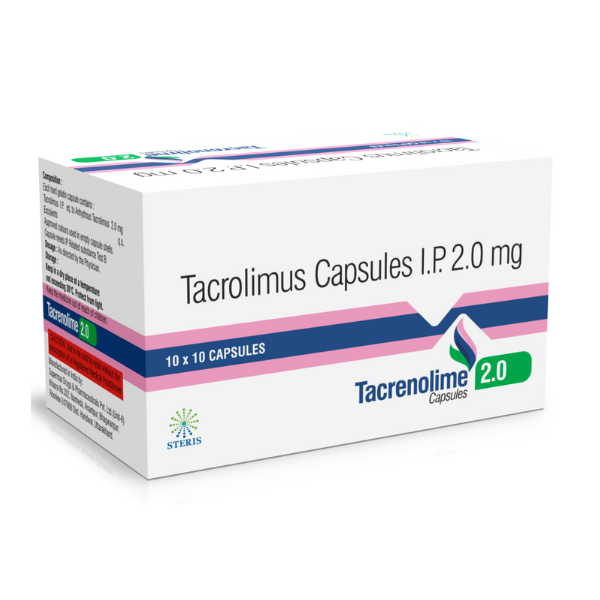
Tacrolimus: Uses, Interactions, Mechanism of Action - Steris Pharma
TACRENOLIME 2.0 is a prescription medication that contains Tacrolimus (2mg per capsule), an immunosuppressive drug. Tacrolimus is primarily used to prevent organ rejection in patients who have received kidney, liver, or heart transplants. It helps to suppress the immune system’s natural response, preventing the body from attacking the transplanted organ. TACRENOLIME 2.0 may also be used to treat certain autoimmune diseases, including atopic dermatitis and rheumatoid arthritis.
This article provides a comprehensive overview of TACRENOLIME 2.0, including its composition, usage, dosage, side effects, and important precautions.
Composition of Tacrolimus 2.0
Each capsule of TACRENOLIME 2.0 contains:
- Tacrolimus (2 mg)
Tacrolimus is the active ingredient that exerts the immunosuppressive effects needed for preventing organ rejection or treating specific immune conditions. It belongs to a class of drugs known as calcineurin inhibitors, which suppress the activation of T-cells, a crucial component of the immune system.
The capsule also contains various inactive ingredients (excipients) to maintain its stability, effectiveness, and ease of consumption.
How Does Tacrolimus Work?
Tacrolimus works by inhibiting the enzyme calcineurin, which is involved in activating T-cells. T-cells are essential to the body’s immune response, and by blocking calcineurin, Tacrolimus reduces T-cell activity, which helps prevent the immune system from attacking the transplanted organ or the body’s own tissues in cases of autoimmune diseases.
This immunosuppressive action is critical for preventing organ rejection after transplants and managing conditions like autoimmune diseases, where the immune system attacks healthy tissues.
Indications and Usage
TACRENOLIME 2.0 (Tacrolimus) is used for the following indications:
Prevention of Organ Rejection in Transplant Patients:
- Kidney Transplants: Tacrolimus is most commonly prescribed to prevent the rejection of a kidney transplant. It is often used in combination with other immunosuppressive drugs like corticosteroids or mycophenolate mofetil.
- Liver Transplants: Tacrolimus is also used in patients who have received liver transplants to reduce the risk of organ rejection.
- Heart Transplants: Similarly, Tacrolimus is used to prevent the rejection of a heart transplant, helping the body accept the new organ.
Autoimmune Diseases:
- Atopic Dermatitis (Eczema): Tacrolimus is applied topically in lower doses to treat atopic dermatitis, especially for patients who do not respond well to traditional corticosteroid treatments.
- Rheumatoid Arthritis (Off-label use): Although not FDA-approved for this indication, Tacrolimus has been used off-label to treat rheumatoid arthritis and other autoimmune conditions that involve excessive immune activation.
Dosage and Administration
The dosage of Tacrolimus 2.0 depends on the specific condition being treated, the patient’s individual needs, and response to therapy. Tacrolimus is typically taken orally in capsule form, once or twice daily.
Dosage for Transplant Patients:
- Initial Dose: For most transplant patients, the typical starting dose is 0.1 to 0.2 mg/kg per day, divided into two doses. For example, a patient weighing 70 kg may initially be prescribed 7 mg to 14 mg per day, divided into two doses.
- Maintenance Dose: After the initial phase, the dose is usually reduced to the minimum effective dose. A typical maintenance dose can range from 2 mg to 12 mg daily, depending on the patient’s response and the organ being transplanted.
- Blood Level Monitoring: The dosage is frequently adjusted based on blood levels of tacrolimus to ensure it stays within the therapeutic range. Regular blood tests are essential for monitoring the drug\'s effectiveness and minimizing side effects.
Dosage for Autoimmune Diseases (Off-label Use):
- The dosage for autoimmune conditions like atopic dermatitis or rheumatoid arthritis varies. For these conditions, Tacrolimus is usually prescribed in lower doses compared to transplant patients. The exact dose and frequency depend on the severity of the disease and the patient’s response.
Administration:
- TACRENOLIME 2.0 should be taken exactly as prescribed by the healthcare provider. It is typically taken orally with a glass of water, and the capsules should not be opened or crushed.
- The medication can be taken with or without food, but it is important to take it consistently in the same manner (i.e., with or without food) each day to maintain stable blood levels.
- Do not miss doses. If you miss a dose, take it as soon as you remember unless it is nearly time for your next dose. Do not take two doses at once.
Side Effects of Tacrolimus 2.0
Like all medications, TACRENOLIME 2.0 may cause side effects. Some side effects can be mild, while others can be more serious. It is important to be aware of potential side effects and report any unusual symptoms to your healthcare provider immediately.
Common Side Effects:
- Gastrointestinal issues:
- Nausea, vomiting, diarrhea, or abdominal pain.
- Headache or dizziness
- Fatigue or weakness
- Tremors or muscle twitching
- High blood pressure (hypertension)
- Increased blood sugar (hyperglycemia)
Serious Side Effects:
- Infections: Since Tacrolimus suppresses the immune system, patients are at higher risk for serious infections, including bacterial, viral, or fungal infections. Symptoms of infection may include fever, chills, or a sore throat.
- Kidney Damage: Tacrolimus can cause kidney toxicity, which may manifest as reduced urine output, swelling, or high blood pressure. Regular kidney function monitoring is necessary.
- Liver Damage: Tacrolimus can affect liver function, which may cause yellowing of the skin or eyes (jaundice), dark urine, or severe abdominal pain.
- Neurotoxicity: Symptoms of neurotoxicity include headaches, confusion, seizures, or visual disturbances. These side effects are rare but require immediate medical attention.
- Increased risk of cancer: Long-term use of immunosuppressive medications like Tacrolimus may increase the risk of developing certain types of cancers, particularly skin cancer and lymphoma.
Other Potential Side Effects:
- Elevated cholesterol and triglycerides
- Increased potassium levels (hyperkalemia)
- Anemia (low red blood cell count)
- Swelling in the legs, ankles, or feet
Precautions and Warnings
Before using TACRENOLIME 2.0, it is essential to take the following precautions into account:
- Allergies: Inform your doctor if you have a history of allergic reactions to Tacrolimus or other immunosuppressants.
- Infections: Tacrolimus suppresses the immune system, making you more susceptible to infections. Be cautious around individuals who are sick and report any signs of infection immediately.
- Kidney and Liver Function: Tacrolimus can affect both kidney and liver function. Regular monitoring of blood pressure, kidney function tests, and liver function tests are essential throughout the treatment.
- Pregnancy and Breastfeeding: Tacrolimus should be avoided during pregnancy unless absolutely necessary, as it can harm the developing fetus. Women who are breastfeeding should also avoid using Tacrolimus, as it can pass into breast milk.
- Drug Interactions: Tacrolimus interacts with several medications, including other immunosuppressants, antifungal agents, and certain antibiotics. Always inform your doctor of any medications you are taking.
Overdose and Missed Dose
Overdose: In case of overdose, symptoms may include excessive immunosuppression, leading to severe infections, kidney problems, or even seizures. Seek medical attention immediately if you suspect an overdose.
Missed Dose: If you miss a dose, take it as soon as you remember. If it is almost time for your next dose, skip the missed dose—do not double the dose to make up for the missed one.
Storage
Store TACRENOLIME 2.0 at room temperature, away from moisture and heat. Keep the medication out of reach of children and dispose of expired or unused medication as directed by your healthcare provider.
Conclusion
TACRENOLIME 2.0 (Tacrolimus 2mg) is an essential immunosuppressive medication used to prevent organ rejection in transplant patients and manage certain autoimmune diseases. While highly effective, Tacrolimus requires careful monitoring and management to minimize side effects and ensure it remains within the therapeutic range. Regular blood tests and medical consultations are vital to ensure the safety and effectiveness of the treatment. Steris Healthcare Pvt Ltd, known as Sterispharma, was founded in February 2018 by a team of experienced professionals in the pharmaceutical industry. Headquartered in Navi Mumbai, the company holds certifications from WHO, GMP, and ISO, reflecting its dedication to maintaining high standards of quality and safety. Sterispharma’s mission is to provide affordable, high-quality medications across India, strictly adhering to WHO guidelines. With the convenience of an online pharmacy, customers can easily order medicines with home delivery options. The company offers a wide range of healthcare products, catering to various medical needs, from rare disease treatments to essential healthcare products. Sterispharma\'s product range includes solutions for Cardiology, Asthma, Respiratory Issues, Nasal Conditions, Diabetes, Endocrinology, Gastroenterology, Orthopedics, Anti-infectives/Antibiotics, General Medicine, Urology, Neurology, Nephrology, Oncology, Gynecology, Pediatrics, Dental Care, and Dermatology. Medicines can be conveniently ordered via Our websites—Sterisonline, Sterisindia, and Sterispharma.
For further information
Email: info@sterispharma.com / contact@sterispharma.com
Call/WhatsApp: 8209542042 , 8824175417