Description
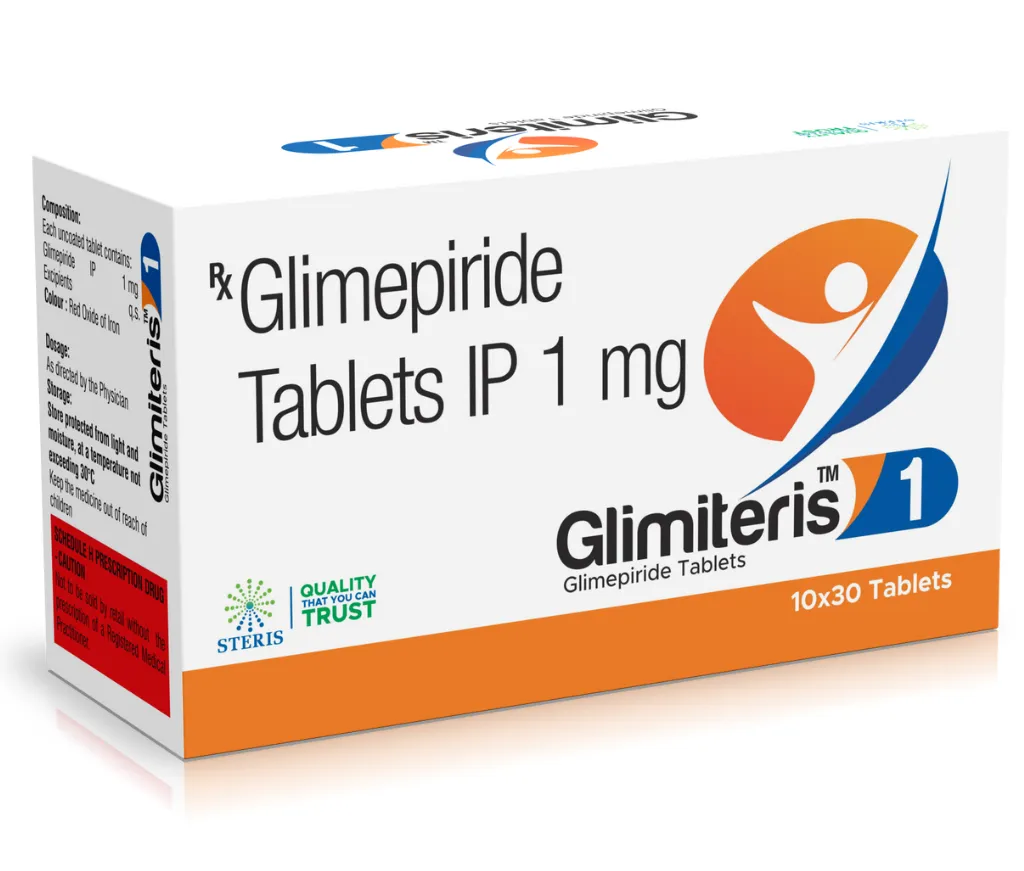
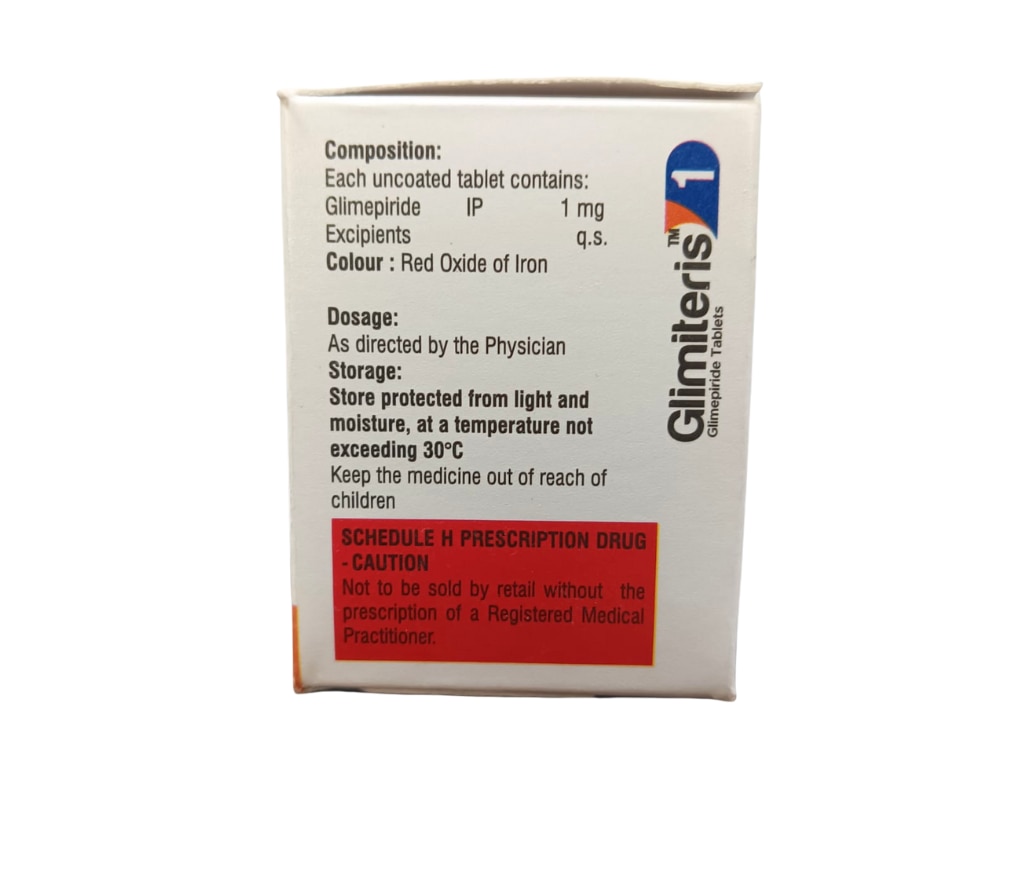
glimepiride 1 mg
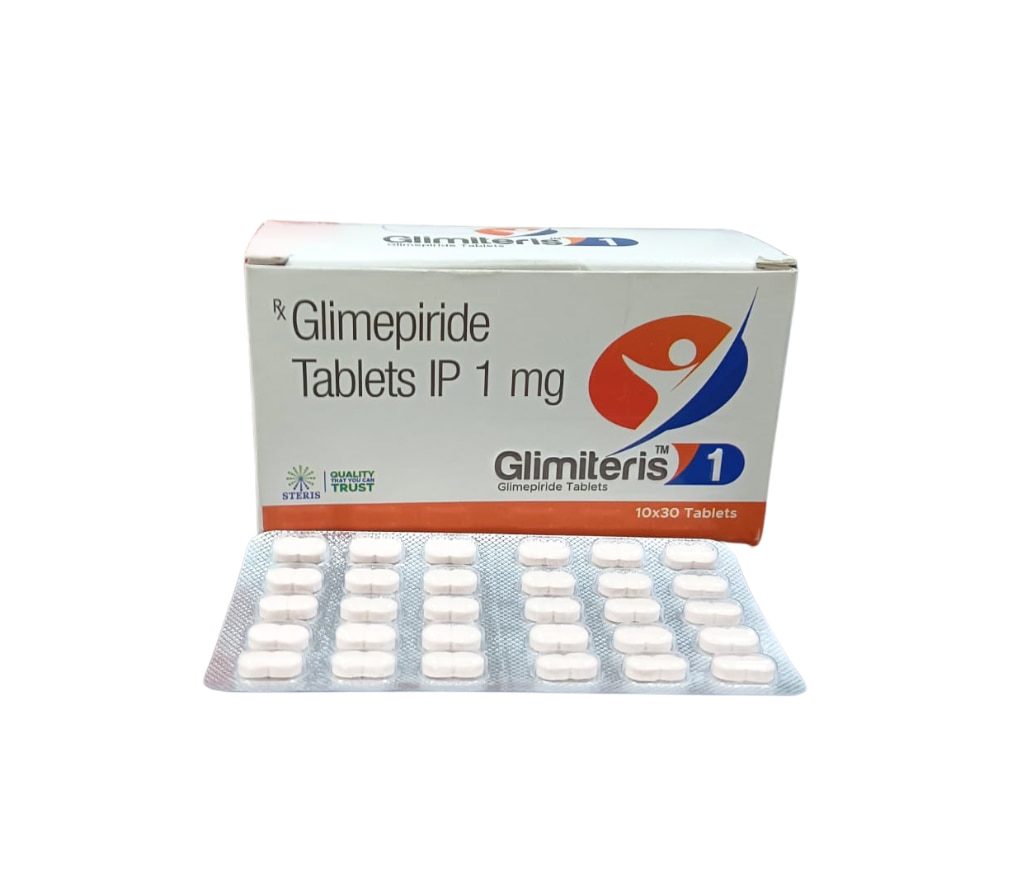
GLIMITERIS 1 is a prescription oral antidiabetic medication that contains Glimepiride 1 mg, a well-established agent used in the management of Type 2 Diabetes Mellitus. It helps control blood sugar levels in adult patients by improving insulin sensitivity and promoting natural insulin release from the pancreas.
Maintaining optimal blood glucose levels is essential in preventing long-term complications such as nerve damage, kidney dysfunction, heart disease, and vision loss. GLIMITERIS 1 plays a vital role in a comprehensive diabetes care plan that includes diet, exercise, and lifestyle modifications.
What is Glimepiride 1 mg?
Glimepiride 1 mg belongs to a class of antidiabetic drugs known as sulfonylureas. It works by stimulating the pancreas to release insulin, the hormone responsible for regulating blood glucose. Additionally, it increases the body’s sensitivity to insulin, making it more efficient in lowering blood sugar levels.
GLIMITERIS 1 is especially effective in early to moderate stages of type 2 diabetes where lifestyle interventions alone are insufficient. It is commonly used as monotherapy or in combination with other oral antidiabetic drugs or insulin for better glycemic control.
Dosage of Glimepiride 1 mg
The exact dosage of GLIMITERIS 1 depends on the patient’s blood glucose levels, response to treatment, and presence of other medical conditions. General dosage guidelines include:
Starting dose: 1 mg once daily, usually taken with breakfast or the first main meal
Dose adjustments: Gradual increments can be made based on blood sugar response, typically at intervals of 1 to 2 weeks
Maximum dose: Usually not more than 8 mg per day, divided into single or two doses if necessary
Your doctor will determine the correct dose for you, and regular blood glucose monitoring is essential for safe and effective treatment.
How to Use Glimepiride 1 mg Tablet
To ensure optimal blood sugar control with GLIMITERIS 1, follow these usage guidelines:
Take the tablet once daily, preferably with breakfast or your first substantial meal of the day
Swallow whole with water; do not crush or chew
Use the medicine at the same time every day to maintain stable blood sugar levels
Continue taking the medication as prescribed, even if your blood sugar improves—stopping suddenly may lead to uncontrolled hyperglycemia
Combine with healthy eating, regular physical activity, and regular monitoring as part of your overall diabetes management plan
Never change the dose or schedule without consulting your doctor.
Side Effects When Using Glimepiride 1 mg
Like all medications, GLIMITERIS 1 may cause side effects in some individuals. The most commonly observed side effect is hypoglycemia (low blood sugar), especially if meals are skipped or in case of overexertion.
Common Side Effects:
Low blood sugar (symptoms include sweating, hunger, dizziness, tremors, and confusion)
Nausea or stomach discomfort
Headache
Weight gain (mild to moderate)
Weakness or fatigue
Rare Side Effects:
Allergic reactions such as rash, itching, or swelling
Liver enzyme abnormalities
Visual disturbances (usually temporary at the start of treatment)
To reduce the risk of hypoglycemia, patients are advised to follow meal plans strictly and carry a sugar source (like glucose tablets or candy) when on the go.
Precautions When Using Glimepiride 1 mg
Before using GLIMITERIS 1, it’s important to discuss your medical history and current health status with your doctor. Important precautions include:
Liver or kidney disorders: Dose adjustment may be required
Elderly patients: May be more sensitive to the effects of low blood sugar
Alcohol consumption: Should be avoided or limited as it increases the risk of hypoglycemia
Pregnancy and breastfeeding: Glimepiride should be avoided unless clearly prescribed. Insulin is often preferred during pregnancy
Driving or using machinery: Caution is advised as low blood sugar can impair concentration and reaction time
Inform your healthcare provider about all current medications or supplements, as glimepiride may interact with other drugs like beta-blockers, NSAIDs, or anticoagulants