Introduction to Dapagliflozin 5 mg and 10 mg
Managing Type 2 Diabetes Mellitus requires a comprehensive approach that combines appropriate medication, healthy lifestyle choices, regular monitoring, and professional medical guidance. With advancements in diabetes treatment, Sodium-Glucose Cotransporter-2 (SGLT2) inhibitors have become an important therapeutic option for eligible patients.
Dapagliflozin 5 mg and Dapagliflozin 10 mg are oral prescription medication strengths belonging to the SGLT2 inhibitor class. These medicines work through the kidneys to help eliminate excess glucose from the body through urine.
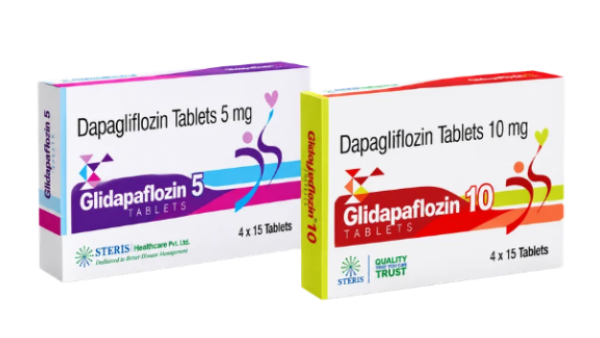
Steris Pharma presents two product names for these strengths:
GLIDAPAFLOZIN 5 – Dapagliflozin 5 mg Tablets.
GLIDAPAFLOZIN 10 – Dapagliflozin 10 mg Tablets.
These formulations are intended for use under appropriate medical supervision. The selection of strength depends on the patient's medical condition, treatment goals, kidney function, and the prescribing healthcare professional's recommendation.
What Is Dapagliflozin?
Dapagliflozin is an SGLT2 inhibitor primarily used in the management of Type 2 Diabetes Mellitus. It works by blocking the sodium-glucose cotransporter-2 protein in the kidneys.
Under normal circumstances, the kidneys filter glucose from the blood and reabsorb most of it back into circulation. Dapagliflozin reduces this reabsorption, allowing more glucose to leave the body through urine.
How Does Dapagliflozin Work?
The mechanism of action of dapagliflozin involves:
SGLT2 inhibition: It blocks the SGLT2 protein responsible for glucose reabsorption in the kidneys.
Increased glucose excretion: More glucose is eliminated through urine.
Blood glucose management: Reduced glucose reabsorption helps lower blood glucose levels.
Insulin-independent action: Its glucose-lowering mechanism does not directly depend on insulin secretion.
This mechanism makes dapagliflozin a distinct therapeutic option compared with several other oral antidiabetic medications.
GLIDAPAFLOZIN 5 – Dapagliflozin 5 mg Tablets
GLIDAPAFLOZIN 5 contains Dapagliflozin 5 mg and is designed for patients for whom this strength is prescribed by a qualified healthcare professional.
Dapagliflozin 5 mg is an established starting dosage for improving glycemic control in eligible adults with Type 2 Diabetes Mellitus, according to applicable prescribing information.
Key Features of GLIDAPAFLOZIN 5
Contains Dapagliflozin 5 mg.
Belongs to the SGLT2 inhibitor class.
Works through the kidneys to increase urinary glucose excretion.
Offers an oral treatment option for eligible adults with Type 2 Diabetes Mellitus.
May be considered as part of an individualized diabetes management plan.
Who May Be Prescribed Dapagliflozin 5 mg?
Healthcare professionals may consider dapagliflozin 5 mg for eligible adults with Type 2 Diabetes Mellitus when additional glycemic control is required alongside diet and exercise.
The suitability of treatment depends on kidney function, hydration status, other medications, medical history, and individual treatment objectives.
Important: GLIDAPAFLOZIN 5 should not be started, stopped, or adjusted without medical advice.
GLIDAPAFLOZIN 10 – Dapagliflozin 10 mg Tablets
GLIDAPAFLOZIN 10 contains Dapagliflozin 10 mg and represents another available strength of this SGLT2 inhibitor.
Dapagliflozin 10 mg is used in several approved treatment settings, depending on the applicable product label and local regulatory authorization.
In eligible patients, dapagliflozin 10 mg may be prescribed for Type 2 Diabetes Mellitus and certain heart failure or chronic kidney disease indications, where approved.
Key Features of GLIDAPAFLOZIN 10
Contains Dapagliflozin 10 mg.
Belongs to the SGLT2 inhibitor therapeutic class.
Supports glucose elimination through the kidneys.
Provides an established oral dosage strength.
May be prescribed for specific diabetes, heart failure, and kidney disease treatment indications, subject to local approvals.
Why Is Dapagliflozin 10 mg Prescribed?
For glycemic control, a healthcare professional may increase dapagliflozin from 5 mg to 10 mg once daily when additional glucose-lowering control is needed and the patient is suitable for the higher strength.
For certain heart failure and chronic kidney disease indications, 10 mg once daily is the recommended dosage in applicable prescribing information.
The 10 mg strength is not automatically appropriate for every patient. Individual clinical assessment is essential.
Dapagliflozin 5 mg vs Dapagliflozin 10 mg: Understanding the Difference
Both strengths contain the same active pharmaceutical ingredient, but their prescribed dosage and treatment applications may differ.
The choice between these strengths must be based on the patient's clinical requirements rather than personal preference.
Potential Therapeutic Benefits of Dapagliflozin
Dapagliflozin has several clinically established therapeutic applications.
1. Blood Glucose Management
Dapagliflozin helps reduce blood glucose by increasing glucose excretion through urine. It can be used alongside diet and exercise in eligible adults with Type 2 Diabetes Mellitus.
2. Heart Failure Management
In approved treatment settings, dapagliflozin 10 mg is used to reduce the risk of cardiovascular death and worsening heart failure outcomes in eligible patients.
3. Chronic Kidney Disease Management
Dapagliflozin 10 mg also has an established role in certain adults with chronic kidney disease, helping reduce the risk of important kidney and cardiovascular outcomes.
These additional indications make dapagliflozin an important medication beyond glucose management alone. However, the approved indications and eligibility requirements should always be verified against the applicable local prescribing information.
Important Safety Information and Precautions
Although dapagliflozin offers important therapeutic benefits, it requires appropriate medical supervision.
Patients and healthcare professionals should consider the following precautions:
Kidney function: Assess renal function before starting treatment and monitor as clinically appropriate.
Dehydration: Dapagliflozin can increase urination and may contribute to dehydration or reduced blood volume.
Urinary and genital infections: Increased glucose in urine may increase the risk of genital fungal infections and certain urinary tract infections.
Diabetic ketoacidosis: Ketoacidosis is a serious potential complication. It may occur even when blood glucose is not markedly elevated.
Low blood sugar: Hypoglycemia risk may increase when dapagliflozin is combined with insulin or insulin secretagogues.
Pregnancy and breastfeeding: Treatment suitability requires medical assessment.
Surgery and prolonged fasting: Dapagliflozin may need to be temporarily withheld before certain procedures to reduce ketoacidosis risk.
Seek immediate medical attention for symptoms such as nausea, vomiting, abdominal pain, unusual tiredness, or difficulty breathing, particularly when ketoacidosis is suspected.
Dapagliflozin is not recommended for improving glycemic control in patients with Type 1 Diabetes Mellitus. It is also not a treatment for diabetic ketoacidosis.
How Should Dapagliflozin Tablets Be Taken?
Dapagliflozin is generally administered orally once daily, with or without food.
However, the prescribed strength and duration depend on the patient's medical condition and applicable prescribing guidelines.
Patients should:
Follow the prescribed dosage.
Take the medication consistently.
Maintain adequate hydration as advised by their healthcare professional.
Continue recommended dietary and lifestyle measures.
Attend regular blood glucose and kidney function assessments.
Avoid changing the dosage independently.
Never substitute GLIDAPAFLOZIN 5 with GLIDAPAFLOZIN 10 without consulting the prescribing doctor.
Why Consider GLIDAPAFLOZIN 5 and GLIDAPAFLOZIN 10 from Steris Pharma?
Steris Pharma offers product-focused pharmaceutical information for healthcare professionals, distributors, and interested business partners.
The GLIDAPAFLOZIN product range includes:
GLIDAPAFLOZIN 5
Product strength: Dapagliflozin 5 mg.
Therapeutic category: SGLT2 inhibitor.
Dosage form: Oral tablet.
GLIDAPAFLOZIN 10
Product strength: Dapagliflozin 10 mg.
Therapeutic category: SGLT2 inhibitor.
Dosage form: Oral tablet.
For further information about product availability, product specifications, commercial enquiries, and applicable documentation, contact Steris Pharma directly.
Product availability, manufacturing details, certifications, and regulatory status should be confirmed with the company before making procurement decisions.
Frequently Asked Questions
1. What is Dapagliflozin 5 mg used for?
Dapagliflozin 5 mg is used as an adjunct to diet and exercise to improve blood glucose control in eligible adults with Type 2 Diabetes Mellitus.
2. What is GLIDAPAFLOZIN 5?
GLIDAPAFLOZIN 5 is the product name provided for Dapagliflozin 5 mg tablets by Steris Pharma.
3. What is GLIDAPAFLOZIN 10?
GLIDAPAFLOZIN 10 is the product name provided for Dapagliflozin 10 mg tablets by Steris Pharma.
4. What is the difference between Dapagliflozin 5 mg and 10 mg?
The primary difference is the quantity of active ingredient per tablet. Dapagliflozin 5 mg is an established starting dosage for glycemic control in eligible adults, while 10 mg may be prescribed when additional glycemic control is required or for certain other approved indications.
5. Can Dapagliflozin 5 mg be increased to 10 mg?
Yes, a healthcare professional may increase the dosage from 5 mg to 10 mg once daily when additional glycemic control is needed and the patient is suitable for the higher dose.
6. Does Dapagliflozin help protect the kidneys?
Dapagliflozin has demonstrated benefits in reducing the risk of important kidney disease progression outcomes in eligible patients with chronic kidney disease. Its use requires assessment of kidney function and clinical suitability.
7. Can Dapagliflozin be taken without food?
Dapagliflozin can generally be taken with or without food, according to the applicable prescribing information.
8. Is Dapagliflozin a prescription medicine?
Yes. Dapagliflozin is a prescription medicine and should only be used under the supervision of a qualified healthcare professional.
Conclusion
Dapagliflozin 5 mg and 10 mg are important SGLT2 inhibitor strengths used in modern diabetes management and, where approved, selected heart failure and chronic kidney disease treatment settings.
GLIDAPAFLOZIN 5 (Dapagliflozin 5 mg) and GLIDAPAFLOZIN 10 Dapagliflozin 10 mg represent two product strengths within the Steris Pharma product portfolio.
Understanding the mechanism of action, dosage differences, therapeutic applications, and safety precautions is essential when considering dapagliflozin-based treatment.
For product-related enquiries, availability, and further information, connect with Steris Pharma using the contact details below.
Contact Steris Pharma – Product Enquiries and Business Information
For Further More Information:
Email: contact@sterispharma.com
info@sterispharma.com
Call Now: +91 8824175417
+91 9982524671
Keywords