
Introduction
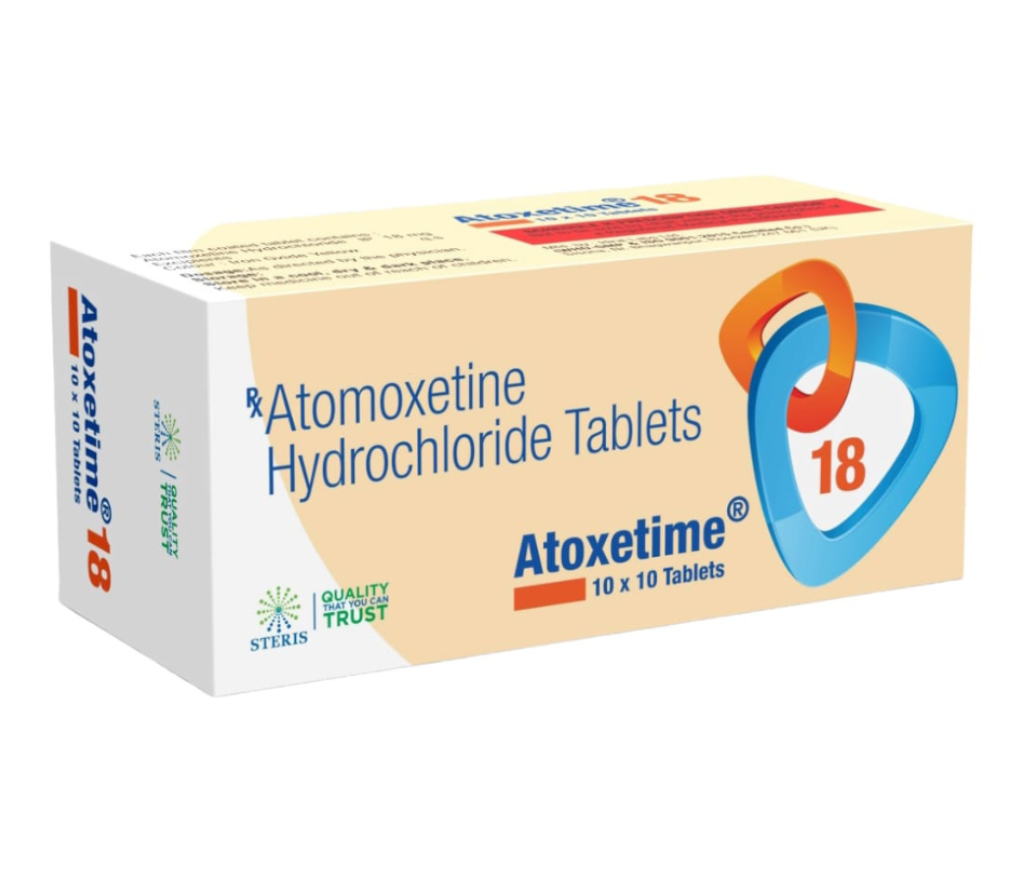
Atomoxetine tablets are a non-stimulant medication designed to treat ADHD by improving attention and reducing impulsivity and hyperactivity. Unlike stimulant drugs, atomoxetine works through a selective mechanism involving neurotransmitters, providing an alternative for patients who may not tolerate stimulants well
Mechanism of Action
Atomoxetine mechanism of action is based on its role as a selective norepinephrine reuptake inhibitor (NRI). It selectively inhibits the presynaptic norepinephrine transporter (NET), preventing the reuptake of norepinephrine (NE) in the brain, especially in the prefrontal cortex (PFC), a region critical for attention and executive function. By increasing extracellular norepinephrine and dopamine levels in the PFC, atomoxetine enhances cognitive processes such as attention, inhibitory control, and working memory, which are often impaired in ADHD. This selective enhancement distinguishes it from stimulants that affect dopamine broadly, thus reducing risks of abuse and motor side effects.
Uses and Indications
Atomoxetine tablets are primarily indicated for the treatment of ADHD in children, adolescents, and adults. It is prescribed when stimulant medications are contraindicated or not well tolerated. Due to its unique mechanism, it also benefits patients with comorbid conditions such as anxiety or tic disorders. Furthermore, atomoxetine may improve executive functions and social relationships through sustained treatment.
Efficacy and Clinical Evidence
Clinical trials have demonstrated that atomoxetine effectively reduces core ADHD symptoms including inattention, hyperactivity, and impulsivity across various age groups. Studies using functional brain imaging highlight improved activation in brain areas related to attention and inhibitory control. It has a favorable safety profile with a low potential for abuse, making it suitable for long-term management. Its efficacy is comparable to stimulants in some tests, with a slower onset of effect but longer duration.
Side Effects and Safety Profile
Common side effects include gastrointestinal disturbances (nausea, dry mouth), insomnia, dizziness, and increased heart rate or blood pressure due to noradrenergic activity. Unlike stimulants, atomoxetine has a low abuse potential and does not cause significant dopamine increase in reward-related brain regions, minimizing risks of addiction or motor side effects. It is generally well tolerated but requires monitoring for rare side effects like liver injury.
Contraindications and Precautions
Contraindications include hypersensitivity to atomoxetine, concurrent use with monoamine oxidase inhibitors (MAOIs), and caution in patients with cardiovascular disease due to its effects on blood pressure and heart rate. Dosage adjustments may be needed for patients with liver impairment or certain genetic metabolic variants (CYP2D6 poor metabolizers).
Drug Interactions
Atomoxetine is metabolized predominantly by CYP2D6; inhibitors of this enzyme (such as fluoxetine or paroxetine) can increase atomoxetine levels, necessitating dosage adjustments. It should not be combined with MAOIs or other drugs that can raise norepinephrine levels to avoid hypertensive crises.
Warnings and Regulatory Status
Atomoxetine carries warnings regarding suicidal ideation in children and adolescents, requiring close monitoring during initial treatment phases. It is approved by major regulatory agencies (FDA, EMA) as a prescription-only medicine for ADHD.
Patient Advice and Tips
Patients should take atomoxetine exactly as prescribed, usually once or twice daily with or without food. It may take several weeks to observe full therapeutic benefits. Regular follow-up is essential to monitor response, side effects, and cardiovascular status. Patients should avoid abrupt discontinuation and inform healthcare providers about other medications or medical conditions.
Availability
Atomoxetine tablets are available worldwide under various brand names and in multiple dosages to suit individual treatment needs. It is often prescribed by pediatricians, psychiatrists, and neurologists specializing in ADHD care.
Frequently Asked Questions :
1. How does atomoxetine work?
Atomoxetine works by selectively inhibiting norepinephrine reuptake in the brain, increasing norepinephrine and dopamine in the prefrontal cortex, which improves attention and reduces ADHD symptoms.
2. What is atomoxetine?
Atomoxetine is a selective norepinephrine reuptake inhibitor used as a non-stimulant medication to treat ADHD.
3. Why choose atomoxetine over stimulants?
It has a lower risk of abuse, fewer stimulant-related side effects, and is suitable for patients with certain comorbidities or those who do not tolerate stimulants.
4. How long does it take to work?
Therapeutic effects can take several weeks to become noticeable, with sustained symptom improvement over time.
5. Why choose Steris Healthcare Pvt Ltd?
Steris Healthcare Pvt Ltd offers high-quality pharmaceutical products with rigorous quality control, trusted manufacturing practices, and wide availability, ensuring that patients receive effective and safe medications like atomoxetine tablets.
Why Choose Steris Healthcare Pvt Ltd?
WHO-GMP certified facilities
Proven therapeutic efficacy and clinical trust
Quality assurance with every batch
Wide distribution network pan India
Ethical business practices with doctor and patient-centric support