
Introduction
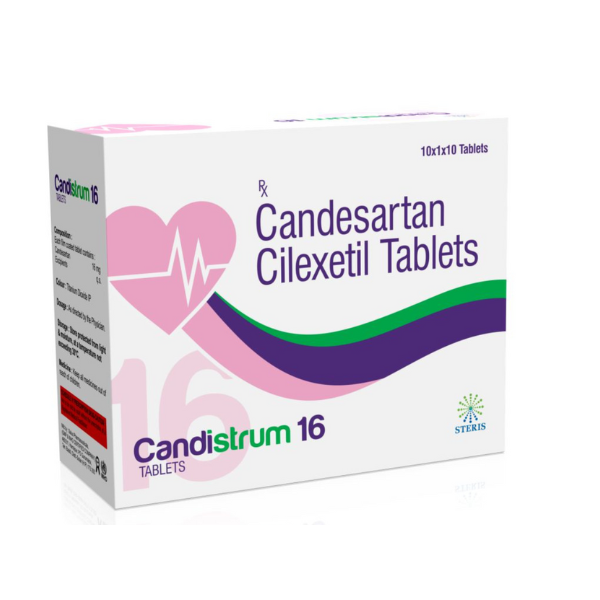
CANDISTRUM 16 contains candesartan 16 mg, a medication from the angiotensin receptor blocker (ARB) class, widely used to manage hypertension and certain cardiovascular conditions. This candesartan tablet helps relax blood vessels and reduce blood pressure by blocking the effects of angiotensin II.
Mechanism of Action
Candesartan, an ARB, selectively blocks the binding of angiotensin II to the angiotensin type-1 (AT1) receptors found in vascular smooth muscle and the adrenal gland. Blocking these receptors inhibits effects like vasoconstriction and aldosterone secretion caused by angiotensin II, resulting in:
Relaxation of blood vessels (vasodilation)
Reduced sodium and water retention
Lower blood pressure and decreased workload on the heart
Unlike ACE inhibitors, candesartan does not affect bradykinin metabolism, reducing the incidence of related side effects such as cough.
Uses and Indications
The primary candesartan tablet uses include:
Treatment of hypertension (high blood pressure)
Management of heart failure to reduce the risk of hospitalization and death
Prevention of stroke in patients with hypertension and left ventricular hypertrophy
Kidney protection in conditions like diabetic nephropathy (off-label or adjunct use)
Dosage and Administration
The standard dose of candesartan 16 mg is typically once daily, but initial dosing may start lower (e.g., 8 mg) based on patient tolerance and condition severity.
Dosage can be adjusted up to 32 mg daily depending on response.
Administer orally with or without food at the same time each day for best results.
Regular blood pressure monitoring and kidney function tests are recommended during therapy.
Efficacy and Clinical Evidence
Clinical trials show that candesartan effectively lowers blood pressure in patients with hypertension, comparable or superior to other ARBs and ACE inhibitors, with a favorable side effect profile.
It reduces cardiovascular morbidity and mortality in heart failure patients by improving cardiac function and decreasing fluid overload.
Studies have demonstrated its efficacy in reducing stroke risk in hypertensive patients with cardiac conditions.
Low incidence of cough and angioedema compared to ACE inhibitors enhances patient adherence.
Side Effects and Safety Profile
Common side effects of candesartan tablet include:
Dizziness or lightheadedness, especially after the first dose
Headache
Fatigue
Gastrointestinal symptoms like nausea
Less common but important side effects:
Hyperkalemia (increased potassium levels)
Hypotension (low blood pressure)
Kidney function impairment
Allergic reactions (rare)
Cough and angioedema are less frequent than with ACE inhibitors since candesartan does not increase bradykinin.
Contraindications and Precautions
Hypersensitivity to candesartan or tablet components
Pregnancy and breastfeeding (contraindicated due to risk to fetus)
Severe renal impairment or bilateral renal artery stenosis
Hyperkalemia or baseline high potassium levels
Use caution in patients with volume depletion or hypotension
Drug Interactions
Concomitant use with potassium-sparing diuretics or potassium supplements can increase hyperkalemia risk.
NSAIDs may reduce antihypertensive efficacy and impair renal function.
Lithium toxicity risk may increase when combined with candesartan.
Close monitoring required when used with other antihypertensive agents to avoid hypotension.
Warnings and Regulatory Status
Regular monitoring of blood pressure, renal function, and electrolytes is essential.
Patients should avoid abrupt discontinuation without medical advice.
Approved and regulated by global health authorities for hypertension and heart failure.
Use with caution in elderly due to increased sensitivity to hypotension.
Patient Advice and Tips
Take candesartan 16 mg consistently, at the same time daily.
Avoid activities requiring alertness until you know how the drug affects you due to possible dizziness.
Maintain adequate hydration but avoid excessive salt substitutes containing potassium.
Report symptoms like swelling, difficulty breathing, or palpitations immediately.
Store tablets in a cool, dry place away from direct sunlight and moisture.
Availability
CANDISTRUM 16 is available as oral candesartan tablets (16 mg strength), widely distributed in pharmacies. Manufactured by Steris Healthcare, ensuring high-quality standards and reliable supply.
Frequently Asked Questions
1. What are side effects of candesartan?
Common side effects include dizziness, headache, fatigue, and gastrointestinal discomfort. Serious effects like hyperkalemia and kidney impairment are rare but require monitoring.
2. How should I take candesartan tablets?
Take once daily, with or without food, at the same time every day. Follow your doctor's dosing instructions carefully.
3. Who should avoid taking candesartan?
Pregnant or breastfeeding women, patients with severe kidney problems, or those with known allergies to candesartan should avoid this medication.
4. Can candesartan be used for heart failure?
Yes, candesartan is indicated to reduce hospitalization and mortality risk in certain heart failure patients.
5. Why choose Steris Healthcare for candesartan tablets?
Steris Healthcare ensures stringent quality controls, regulatory compliance, and consistent product availability, providing trusted candesartan tablets for effective hypertension and heart failure management.
Conclusion
CANDISTRUM 16, containing candesartan 16 mg, is a highly effective ARB medication used for treating hypertension and heart failure. Its selective blockade of angiotensin II receptors leads to improved blood pressure control and cardiovascular outcomes with a favorable safety profile. Proper adherence, regular monitoring, and choosing quality brands like Steris Healthcare optimize the benefits and minimize risks during treatment.