
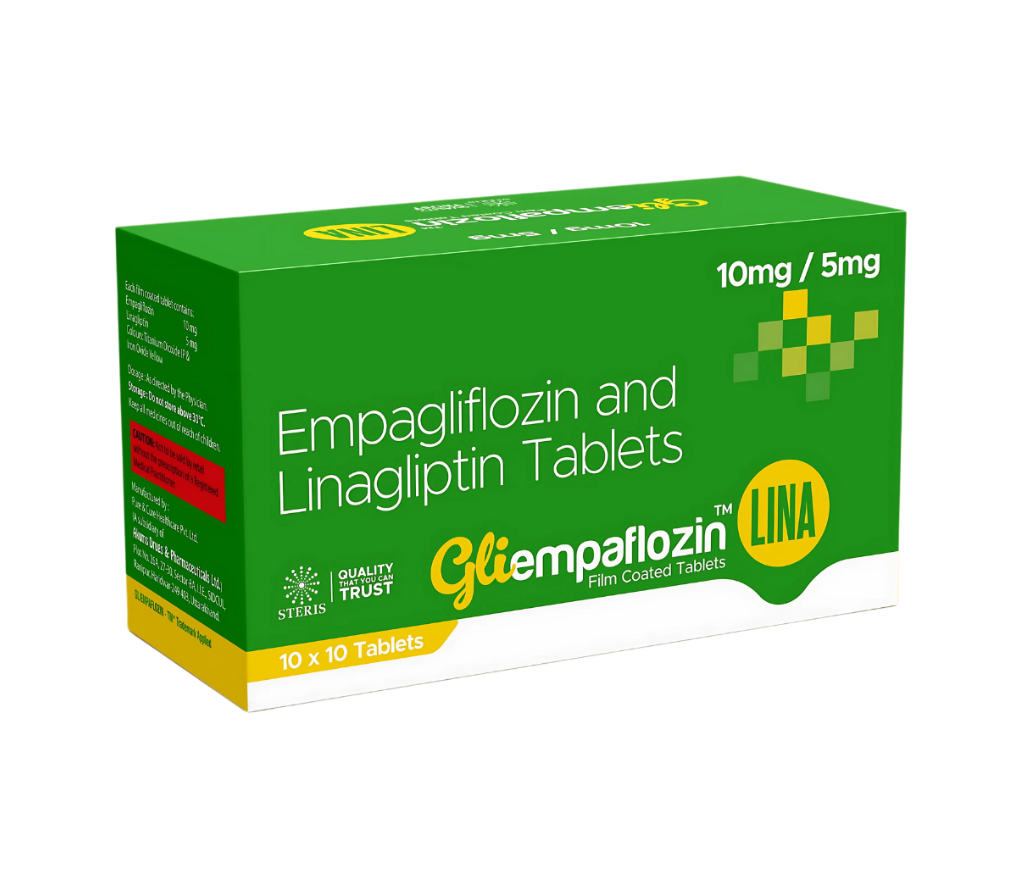
Empagliflozin and Linagliptin tablets are a modern prescription combination medicine used to help adults with Type 2 diabetes mellitus achieve better blood sugar control. This dual-action therapy combines Empagliflozin, an SGLT2 inhibitor, with Linagliptin, a DPP-4 inhibitor, to manage blood glucose through complementary mechanisms. Together, they help reduce fasting and post-meal blood sugar levels, improve HbA1c, and support long-term diabetes management when combined with a healthy diet and regular exercise.
If you're searching for Empagliflozin and Linagliptin tablets, this detailed guide explains everything you need to know—including uses, benefits, mechanism of action, dosage, side effects, precautions, buying considerations, and answers to the most searched Google and voice search questions.
What Are Empagliflozin and Linagliptin Tablets?
Empagliflozin and Linagliptin tablets combine two well-established oral antidiabetic medicines that work in different ways to lower blood glucose.
Composition
- Empagliflozin – Sodium-Glucose Co-Transporter-2 (SGLT2) Inhibitor
- Linagliptin – Dipeptidyl Peptidase-4 (DPP-4) Inhibitor
This combination is prescribed for adults with Type 2 diabetes mellitus whose blood sugar is not adequately controlled by diet, exercise, or single-drug therapy.
Empagliflozin and Linagliptin Tablets Uses
Doctors prescribe this combination for several diabetes-related conditions, including:
- Treatment of Type 2 diabetes mellitus
- Improving glycemic control
- Lowering HbA1c
- Reducing fasting blood glucose
- Controlling post-meal blood sugar spikes
- Supporting long-term diabetes management
- Patients requiring combination therapy
- Adults inadequately controlled on a single oral antidiabetic medicine
- Helping reduce the risk of diabetes-related complications when used as part of a comprehensive treatment plan
How Do Empagliflozin and Linagliptin Tablets Work?
The combination works through two different but complementary mechanisms.
Empagliflozin
Empagliflozin blocks the SGLT2 proteins in the kidneys. These proteins normally reabsorb glucose back into the bloodstream. By blocking them, excess glucose is eliminated through urine, reducing blood sugar levels.
Benefits include:
- Lower fasting blood sugar
- Lower post-meal blood sugar
- Reduction in HbA1c
- Mild weight reduction in some patients
- Lower blood pressure in certain individuals
- Cardiovascular and kidney benefits in appropriate patients
Linagliptin
Linagliptin inhibits the DPP-4 enzyme, increasing natural incretin hormones such as GLP-1 and GIP.
These hormones:
- Increase insulin release when blood sugar rises
- Reduce glucagon production
- Decrease liver glucose production
- Improve post-meal blood sugar control
Why Are Empagliflozin and Linagliptin Tablets Important?
Type 2 diabetes is a progressive condition that can damage the:
- Heart
- Kidneys
- Eyes
- Nerves
- Blood vessels
Maintaining good blood sugar control reduces the risk of these long-term complications.
Empagliflozin and Linagliptin tablets are important because they:
- Target multiple pathways of diabetes
- Offer dual-action glucose control
- Help achieve HbA1c targets
- Simplify treatment by combining two medicines in one tablet
- Support better treatment adherence
Key Benefits of Empagliflozin and Linagliptin Tablets
This combination provides several clinically recognized benefits.
Effective Blood Sugar Control
The dual mechanism helps reduce both fasting and post-meal glucose levels.
Lower HbA1c
Regular use alongside lifestyle changes helps improve long-term glucose control.
Convenient Combination Therapy
One tablet may replace two separate medicines, improving convenience and adherence.
Lower Risk of Hypoglycemia
When used without insulin or sulfonylureas, the risk of low blood sugar is generally lower compared with some older diabetes medicines.
Heart and Kidney Support
Empagliflozin has demonstrated cardiovascular and renal benefits in selected adults with Type 2 diabetes.
Weight-Friendly Option
Some patients may experience modest weight loss because excess glucose is removed through urine.
Who Should Use Empagliflozin and Linagliptin Tablets?
These tablets may be suitable for:
-
Adults with Type 2 diabetes
- Patients requiring improved glycemic control
- Individuals with elevated HbA1c
- Patients needing combination oral therapy
- Adults advised by their endocrinologist or physician
Dosage Guidelines
Take this medicine exactly as prescribed.
General recommendations include:
- Usually taken once daily.
- Can be taken with or without food.
- Swallow whole with water.
- Take it at the same time every day.
- Continue your diabetic diet and exercise program.
- Do not stop treatment without consulting your doctor.
If you miss a dose, take it when you remember unless it is close to your next scheduled dose.
Do not take two doses together.
Side Effects
Like every medicine, this combination may cause side effects.
Common Side Effects
- Frequent urination
- Increased thirst
- Urinary tract infection
- Genital fungal infection
- Headache
- Nasal congestion
- Mild dizziness
- Joint pain
- Sore throat
- Increased urination
Serious Side Effects
Seek immediate medical care if you develop:
- Severe allergic reaction
- Swelling of the face
- Difficulty breathing
- Severe dehydration
- Persistent vomiting
- Symptoms of ketoacidosis
- Severe urinary infection
- Kidney problems
- Pancreatitis
- Very low blood pressure
Precautions Before Taking Empagliflozin and Linagliptin Tablets
Tell your doctor if you have:
- Kidney disease
- Liver disease
- Heart disease
- Low blood pressure
- Pancreatitis
- Recurrent urinary infections
- Frequent genital fungal infections
- Pregnancy
- Breastfeeding
Drug Interactions
Inform your doctor if you take:
- Insulin
- Sulfonylureas
- Diuretics
- Blood pressure medicines
- Digoxin
- Rifampicin
- Herbal medicines
- Over-the-counter supplements
Lifestyle Tips for Better Diabetes Control
Medicine works best when combined with healthy habits.
- Eat a balanced diabetic diet.
- Exercise regularly.
- Maintain a healthy weight.
- Monitor blood sugar.
- Check HbA1c every few months.
- Stay hydrated.
- Quit smoking.
- Limit alcohol.
- Attend routine medical follow-ups.
Storage Instructions
Store the tablets:
- At room temperature.
- Away from sunlight.
- Away from moisture.
- Keep in original packaging.
- Keep out of children's reach.
- Do not use after expiry.
Buying Guide
Before purchasing:
- Buy only from licensed pharmacies.
- Ensure the medicine matches your prescribed strength.
- Verify the expiry date.
- Check packaging integrity.
- Purchase only with a valid prescription where required.
- Follow your doctor's instructions regarding dosage and follow-up.
Frequently Asked Questions
1. Is Linagliptin safe for my kidneys?
Linagliptin is generally considered suitable for many people with Type 2 diabetes, including those with reduced kidney function, because it is primarily eliminated through non-renal pathways. However, kidney health should still be monitored, and your doctor will determine whether this medicine is appropriate for your specific condition.
2. When should I take Linagliptin—morning or night?
Linagliptin can usually be taken once daily at any convenient time, either in the morning or at night. The most important factor is taking it at the same time every day to maintain consistent blood sugar control. Always follow your healthcare provider's instructions.
3. Is Linagliptin a safe medication?
Yes, Linagliptin is generally considered safe and effective for adults with Type 2 diabetes when prescribed by a healthcare professional. Like all medicines, it may cause side effects in some people, so regular follow-up and monitoring are recommended.
4. Are Linagliptin and Metformin the same?
No. Linagliptin and Metformin belong to different classes of diabetes medicines and work in different ways.
- Linagliptin is a DPP-4 inhibitor that increases incretin hormones to improve insulin release and reduce glucagon production.
- Metformin reduces glucose production by the liver and improves insulin sensitivity.
Doctors may prescribe them together because their mechanisms complement each other.
5. What are Empagliflozin and Linagliptin tablets used for?
They are prescribed to improve blood sugar control in adults with Type 2 diabetes mellitus alongside diet and exercise.
6. How do Empagliflozin and Linagliptin tablets work?
Empagliflozin removes excess glucose through urine, while Linagliptin increases incretin hormone activity to enhance insulin release and reduce glucose production by the liver.
7. Can these tablets cure diabetes?
No. They help manage blood sugar but do not cure Type 2 diabetes.
8. Can I take these tablets every day?
Yes, but only as directed by your doctor. Do not stop or change your dose without medical advice.
9. Do these tablets cause low blood sugar?
The risk of hypoglycemia is generally low when used alone but may increase if combined with insulin or sulfonylureas.
10. Can these tablets help with weight loss?
Empagliflozin may contribute to modest weight loss in some individuals by promoting glucose excretion in the urine, though results vary from person to person.
11. Are these tablets safe for older adults?
Many older adults can use this combination safely under medical supervision. Your doctor may monitor kidney function, hydration status, and other health conditions during treatment.
12. Can I take Empagliflozin and Linagliptin tablets with Metformin?
Yes. This combination is often prescribed with Metformin when additional blood sugar control is needed. Your doctor will determine the most appropriate treatment regimen based on your individual needs.
Conclusion
Empagliflozin and Linagliptin tablets provide an effective dual-action approach to the management of Type 2 diabetes mellitus by combining the glucose-lowering benefits of an SGLT2 inhibitor with the incretin-enhancing effects of a DPP-4 inhibitor. This combination helps reduce fasting and post-meal blood sugar levels, improve HbA1c, and may offer additional cardiovascular and kidney benefits in suitable patients. When used alongside a healthy diet, regular exercise, and routine medical monitoring, these tablets can play an important role in long-term diabetes management. Always take the medication exactly as prescribed by your healthcare provider and attend regular follow-up appointments to achieve the best possible outcomes.