
Introduction
When it comes to managing Type 2 Diabetes Mellitus, one of the most widely prescribed and effective medicines is the Glimepiride and Metformin Hydrochloride Tablets. These tablets combine two powerful antidiabetic agents, making them a preferred choice for doctors as well as patients who need effective blood sugar control.
This article will provide a detailed overview of glimepiride and metformin hydrochloride, their uses, benefits, dosage, side effects, precautions, and why this combination is highly recommended for diabetic care.
What is Glimepiride and Metformin Hydrochloride?
Glimepiride: Belongs to the class of sulfonylureas. It works by stimulating the pancreas to release more insulin, thereby reducing blood glucose levels.
Metformin Hydrochloride: Belongs to the biguanide class. It works by decreasing glucose production in the liver, improving insulin sensitivity, and helping the body use insulin more efficiently.
When combined in a single formulation,glimepiride and metformin hydrochloride provide dual action – increasing insulin secretion and reducing glucose production – making them more effective than either drug alone.
Glimepiride and Metformin Hydrochloride Tablets Uses
The glimepiride and metformin hydrochloride tablets uses are mainly focused on:
Treatment of Type 2 Diabetes Mellitus – Helps in lowering and maintaining blood sugar levels.
Improved Glycemic Control – Effective in patients whose blood sugar is not controlled with diet and exercise alone.
Reduced Risk of Diabetic Complications – Helps in preventing long-term complications like kidney damage, nerve problems, heart diseases, and eye issues.
Weight Management Support – Metformin in the combination helps in weight stabilization, which is beneficial for overweight diabetic patients.
Insulin Sensitization – Improves the body’s ability to respond to insulin.
How Glimepiride and Metformin Hydrochloride Works
The combination works through two complementary mechanisms:
Glimepiride increases insulin release from pancreatic beta cells.
Metformin Hydrochloride reduces hepatic glucose production and improves peripheral glucose uptake.
Together,glimepiride and metformin hydrochloride tablets achieve better and sustained blood glucose control.
Dosage and Administration
Dosage depends on the severity of diabetes, age, body weight, and doctor’s prescription.
Usually taken once or twice daily with meals to reduce gastrointestinal side effects.
Should not be taken on an empty stomach as metformin may cause gastric irritation.
Regular blood sugar monitoring is essential while taking this medication.
Possible Side Effects
Like all medicines, glimepiride and metformin hydrochloride tablets may cause some side effects, which include:
Hypoglycemia (low blood sugar) – sweating, dizziness, shakiness.
Nausea, Vomiting, or Diarrhea – usually caused by metformin.
Stomach Discomfort or Indigestion.
Weight Gain – may occur due to glimepiride.
Lactic Acidosis (rare but serious) – caused by metformin accumulation in the body.
If any side effects persist or worsen, patients must consult their healthcare provider immediately.
Precautions to Consider
Not recommended in Type 1 Diabetes.
Avoid in patients with kidney or liver disease.
Should not be used during pregnancy or breastfeeding unless prescribed by a doctor.
Avoid alcohol while on treatment as it may increase the risk of lactic acidosis.
Regular blood sugar tests and HbA1c monitoring are essential.
Drug Interactions
The effectiveness of glimepiride and metformin hydrochloride tablets may be affected if taken with:
Beta-blockers
Corticosteroids
Diuretics
Thyroid medicines
Other antidiabetic drugs or insulin
Always consult a doctor before combining with other medications.
Why Choose Glimepiride and Metformin Hydrochloride Tablets?
Dual Mechanism – Provides better sugar control compared to single-drug therapy.
Proven Efficacy – Extensively studied and widely prescribed worldwide.
Cost-Effective – Affordable treatment for long-term diabetes management.
Convenience – Combination therapy reduces the number of tablets patients need to take daily.
Frequently Asked Questions
Q1: Metformin hydrochloride prolonged release and glimepiride tablets I.P. – when to take?
They are usually taken with meals (breakfast or dinner) as prescribed by your doctor. This reduces side effects and improves sugar control.
Q2: When to take glimepiride and metformin tablets?
Take them with food, preferably at the same time every day. Do not skip meals.
Q3: Are glimepiride and metformin safe for long-term use?
Yes, they are commonly prescribed for long-term management of Type 2 Diabetes, provided patients are regularly monitored.
Q4: Can glimepiride and metformin be taken with other diabetes medicines?
Yes, but only under medical advice. Sometimes they are combined with other drugs like DPP-4 inhibitors or insulin.
Q5: What happens if I miss a dose?
Take it as soon as you remember, but skip it if it’s almost time for your next dose. Do not double the dose.
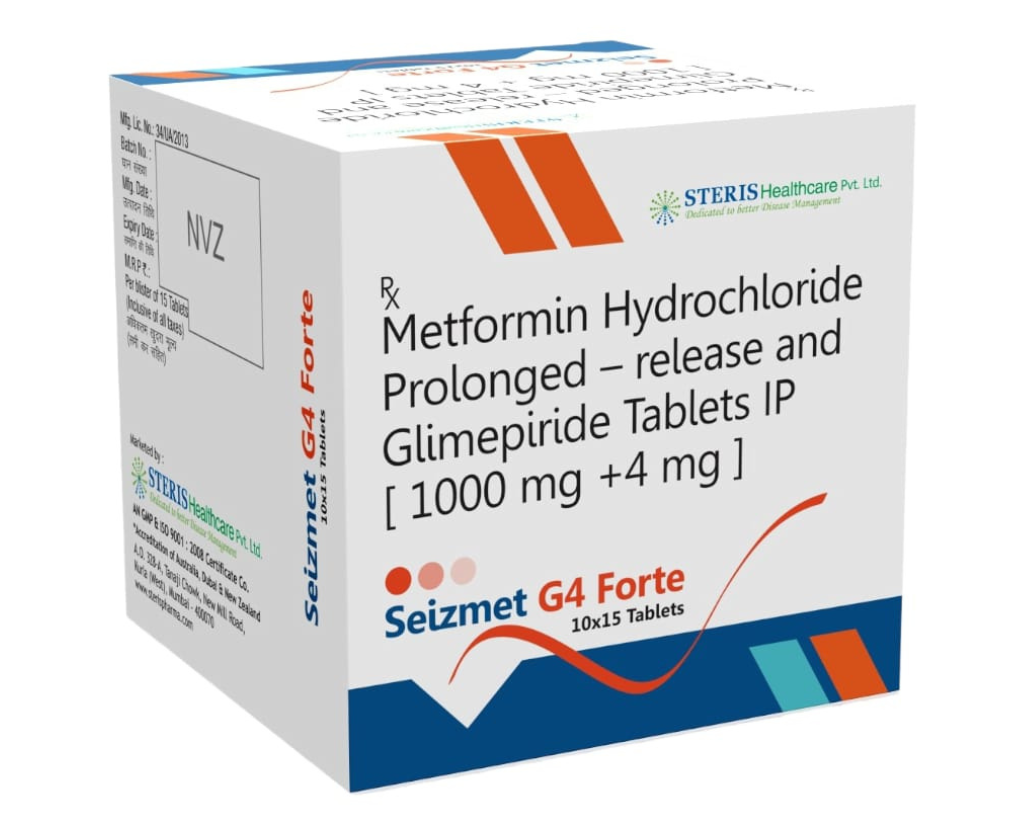
Q6: Do I still need diet and exercise while on SEIZMET G4 FORTE?
Yes, diet and exercise are essential parts of diabetes control. Medicine works best when combined with lifestyle changes.
Conclusion
The glimepiride and metformin hydrochloride tablets are a trusted and highly effective option for patients with Type 2 Diabetes Mellitus. With their dual action of improving insulin secretion and reducing glucose production, they ensure better control over blood sugar levels and reduce the risk of complications.
If you are a diabetic patient, consult your doctor to see if SEIZMET G4 FORTE are suitable for your treatment plan. Regular monitoring, a healthy diet, and an active lifestyle along with this medicine can help you achieve long-term diabetes control.