

Type 2 diabetes mellitus has emerged as a major public health concern in India due to changing lifestyles, sedentary habits, unhealthy diets, and rising obesity levels. Persistent high blood sugar levels can lead to serious complications such as heart disease, kidney failure, nerve damage, and vision problems if not managed properly. Early diagnosis and consistent treatment are crucial for maintaining long-term health and quality of life.
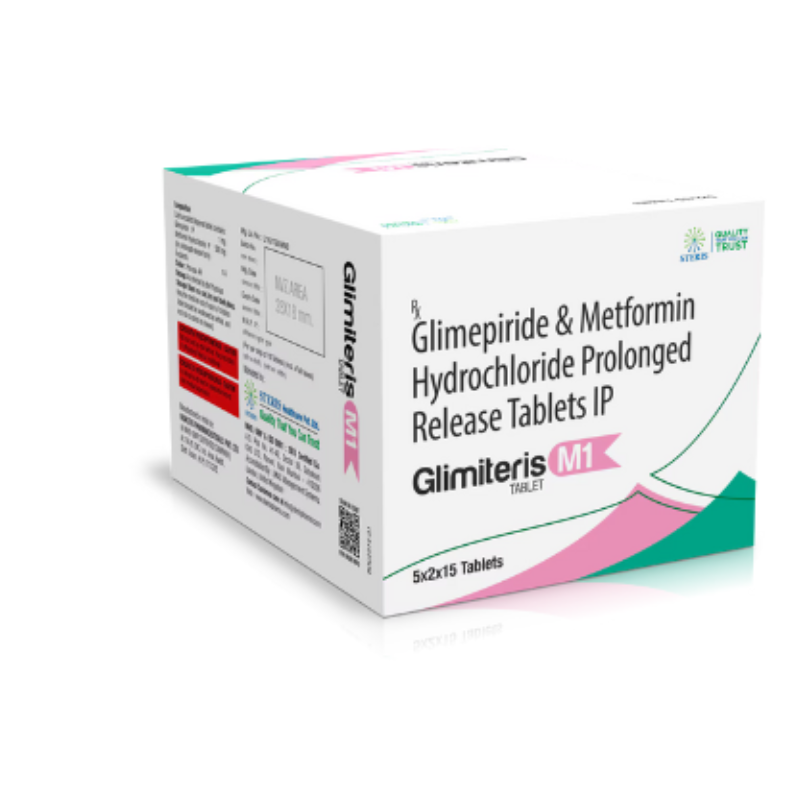
GLIMITERIS M1 is a combination oral antidiabetic medication containing Glimepiride and Metformin Hydrochloride Prolonged Release. This dual-action formulation is designed to provide effective and sustained blood sugar control in patients with type 2 diabetes who do not achieve adequate glycaemic control with single-drug therapy alone.
Glimepiride works by stimulating insulin release from the pancreas, while Metformin Prolonged Release improves insulin sensitivity and reduces glucose production in the liver. Together, they offer complementary mechanisms of action, ensuring better blood sugar regulation with improved tolerability and patient compliance.
Uses
GLIMITERIS M1 is primarily prescribed for the management of type 2 diabetes mellitus in adults, especially when diet, exercise, or monotherapy is insufficient to control blood glucose levels.
Key uses include:
Type 2 Diabetes Mellitus: Helps control fasting and post-meal blood sugar levels.
Poor Glycaemic Control: Suitable for patients who do not respond adequately to metformin or sulfonylurea alone.
Insulin Resistance: Metformin component improves insulin sensitivity at the cellular level.
Combination Therapy: Can be used as part of a broader diabetes management plan along with lifestyle modifications.
Prevention of Long-Term Complications: Effective blood sugar control helps reduce the risk of diabetic complications affecting the heart, kidneys, nerves, and eyes.
GLIMITERIS M1 supports comprehensive diabetes care when used regularly under medical supervision.
Benefits
GLIMITERIS M1 offers multiple clinical and patient-friendly benefits, making it a reliable choice for long-term diabetes management:
1. Dual Mechanism of Action
The combination of Glimepiride and Metformin PR targets blood sugar from different pathways—enhancing insulin secretion and improving insulin sensitivity.
2. Improved Glycaemic Control
Helps maintain stable blood glucose levels throughout the day, reducing fluctuations in fasting and postprandial sugar levels.
3. Prolonged Release Advantage
The prolonged-release metformin ensures gradual drug release, leading to consistent glucose control and reduced gastrointestinal side effects.
4. Reduced Risk of Weight Gain
Metformin is weight-neutral and may prevent the weight gain commonly associated with some antidiabetic medicines.
5. Better Patient Compliance
Once-daily or simplified dosing improves treatment adherence, especially in long-term therapy.
6. Cardiometabolic Benefits
Metformin contributes to improved lipid profiles and may lower cardiovascular risks associated with diabetes.
7. Suitable for Long-Term Use
With a well-established safety profile, GLIMITERIS M1 is suitable for prolonged treatment under regular medical monitoring.
Dosage
The dosage of GLIMITERIS M1 should be individualized by a healthcare professional based on blood glucose levels, age, kidney function, and overall health status.
General Dosage Guidelines:
Usually taken once daily, preferably with or after meals to reduce the risk of stomach upset.
The tablet should be swallowed whole with water and must not be crushed, chewed, or broken due to its prolonged-release formulation.
Dose adjustments may be required based on blood sugar response and tolerance.
Important Instructions:
Follow a balanced diet and regular exercise plan alongside medication.
Take the medicine at the same time every day for optimal results.
Do not skip doses or stop the medicine without consulting your doctor.
Regular monitoring of blood glucose and HbA1c levels is essential to assess treatment effectiveness.
Side Effects
GLIMITERIS M1 is generally well tolerated, but some patients may experience side effects, especially during the initial phase of treatment.
Common Side Effects:
Nausea
Diarrhea
Abdominal discomfort
Headache
Dizziness
Occasional Side Effects:
Hypoglycemia (low blood sugar), particularly if meals are skipped
Weight changes
Metallic taste in the mouth
Rare but Serious Side Effects:
Lactic acidosis (associated with metformin): Symptoms include muscle pain, extreme weakness, breathing difficulty, or unusual drowsiness.
Allergic reactions such as skin rash or itching.
Patients should seek immediate medical attention if severe or persistent side effects occur.
Precautions and Warning
Before using GLIMITERIS M1, certain precautions must be considered to ensure safe and effective therapy:
Kidney Disease: Use with caution; not recommended in severe renal impairment.
Liver Disorders: Patients with liver disease should use this medicine only under medical advice.
Hypoglycemia Risk: Skipping meals or excessive physical activity can increase the risk of low blood sugar.
Alcohol Consumption: Excessive alcohol intake should be avoided as it increases the risk of lactic acidosis.
Pregnancy and Breastfeeding: Use only if clearly prescribed by a doctor.
Elderly Patients: Require close monitoring due to increased sensitivity and kidney function changes.
Surgery or Diagnostic Procedures: Inform your doctor before any surgical or contrast imaging procedures.
GLIMITERIS M1 is not indicated for type 1 diabetes or diabetic ketoacidosis.
Conclusion
GLIMITERIS M1, containing Glimepiride and Metformin Hydrochloride Prolonged Release, is a well-balanced and effective treatment option for managing type 2 diabetes mellitus. Its dual-action approach ensures improved glycaemic control by addressing both insulin secretion and insulin resistance, while the prolonged-release formulation enhances tolerability and patient compliance.
By helping maintain stable blood sugar levels, reducing the risk of diabetes-related complications, and supporting long-term metabolic health, GLIMITERIS M1 plays a vital role in modern diabetes management. When combined with a healthy lifestyle, regular monitoring, and medical guidance, it enables patients to lead a healthier and more active life.