
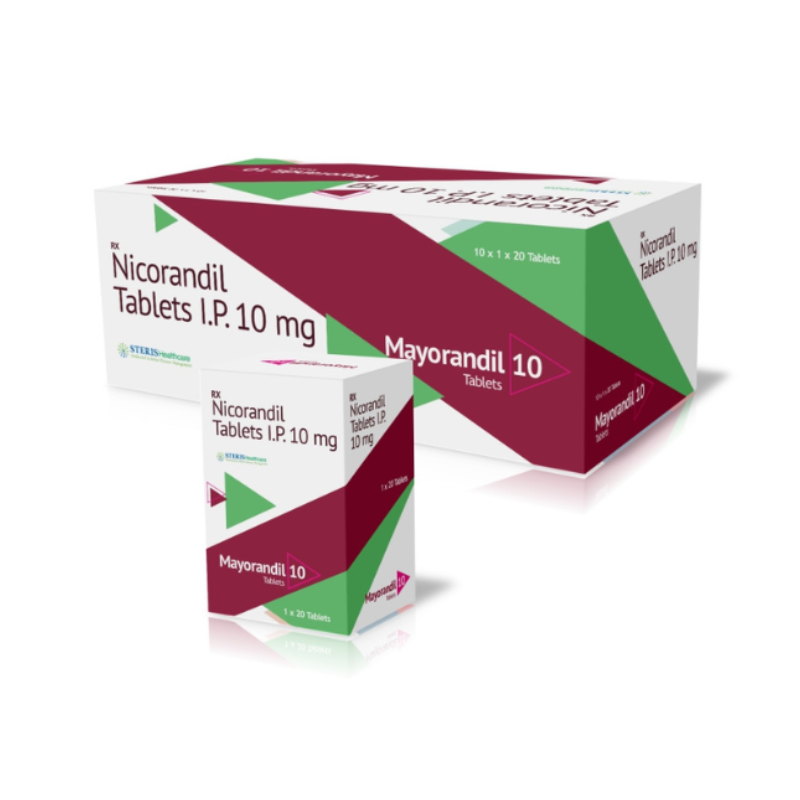
MAYORANDIL 10 is a prescription medication containing Nicorandil 10 mg, a potent vasodilator used primarily for the management of angina pectoris (chest pain caused by reduced blood flow to the heart). Nicorandil works through a dual mechanism: it relaxes and widens the coronary arteries while also acting as a potassium channel activator, which helps improve blood flow and reduce the heart’s workload.
Angina is a common cardiovascular condition characterized by chest discomfort, pressure, or tightness, often triggered by physical exertion or emotional stress. By improving oxygen delivery to the heart muscles, MAYORANDIL 10 helps prevent angina attacks, relieve symptoms, and improve overall heart function. Its once-daily oral administration ensures convenience and better adherence for patients managing chronic heart conditions.
Uses
MAYORANDIL 10 Nicorandil 10 mg is primarily indicated for the management of cardiovascular conditions, particularly angina. Its key therapeutic uses include:
Prevention and treatment of stable angina pectoris
Management of chronic ischemic heart disease
Reduction of chest pain during physical activity or emotional stress
Adjunct therapy for patients who do not respond adequately to conventional anti-anginal medications such as nitrates or beta-blockers
Improvement of coronary blood flow, which helps prevent myocardial ischemia
Supportive therapy in patients with heart disease who require improved oxygen supply to the heart
By targeting both arterial dilation and potassium channels, MAYORANDIL 10 provides a unique and effective approach for the long-term management of angina.
Benefits
MAYORANDIL 10 offers multiple benefits due to the pharmacological action of Nicorandil 10 mg. Regular use under medical supervision provides the following advantages:
Effective relief from angina symptoms, including chest pain, pressure, and tightness
Prevention of angina attacks during physical exertion or stress
Improved coronary blood flow, ensuring better oxygen supply to heart muscles
Reduction in heart workload, which supports overall cardiovascular health
Dual mechanism of action combining nitrate-like vasodilation and potassium channel activation
Well-tolerated with minimal adverse cardiovascular effects
Enhances exercise tolerance, allowing patients to perform daily activities with less discomfort
Long-term heart protection, reducing the risk of complications associated with chronic ischemia
MAYORANDIL 10 not only addresses the immediate symptoms of angina but also contributes to long-term cardiovascular health and improved quality of life for patients with ischemic heart disease.
Dosage
The dosage of MAYORANDIL 10 should always be taken strictly as prescribed by a healthcare professional. Dosage may vary depending on the patient’s condition, age, and response to treatment.
General Guidelines:
Recommended dose for adults: Usually 10 mg twice daily, though dosing may be adjusted based on clinical response
Administration: Take orally with a glass of water, preferably at the same times each day
Combination therapy: Can be used with other anti-anginal drugs under medical supervision
Elderly patients: Dose may require careful adjustment due to sensitivity and potential side effects
Missed dose: If a dose is missed, take it as soon as remembered, but do not double the dose
Patients are advised not to adjust the dose themselves, as overuse can lead to hypotension (low blood pressure) or other complications. Regular monitoring by a healthcare professional ensures optimal efficacy and safety.
Side Effects
MAYORANDIL 10 is generally well tolerated, but some patients may experience mild to moderate side effects. Common side effects include:
Headache or migraine-like pain
Flushing or redness of the face
Dizziness or lightheadedness
Nausea or gastrointestinal discomfort
Low blood pressure (hypotension)
Palpitations or increased heart rate (rare)
Serious side effects (rare but require immediate medical attention):
Severe hypotension leading to fainting or dizziness
Ulceration of mucous membranes or skin (nicorandil-induced ulceration)
Allergic reactions such as rash, itching, or swelling
Chest pain worsening or signs of heart attack
Patients experiencing severe or persistent symptoms should consult their doctor immediately. Regular follow-up ensures dose adjustments if side effects occur.
Precautions and Warning
Before taking MAYORANDIL 10, patients should observe the following precautions to ensure safe and effective use:
Inform your doctor about any heart conditions, kidney or liver disorders, low blood pressure, or history of ulcers
Use caution if taking other medications that may affect blood pressure or heart function
Avoid sudden standing up after sitting or lying down, as it may cause dizziness due to blood pressure changes
Pregnant or breastfeeding women should use MAYORANDIL 10 only under strict medical supervision
Avoid alcohol consumption, as it may increase the risk of low blood pressure or dizziness
Monitor for ulcerations, unexplained sores, or persistent mouth or skin lesions
Store in a cool, dry place away from sunlight, and keep out of reach of children
Elderly patients require careful monitoring due to increased sensitivity to hypotension
Adhering to these precautions minimizes risks and ensures the maximum therapeutic benefit of MAYORANDIL 10.
Conclusion
MAYORANDIL 10, containing Nicorandil 10 mg, is a highly effective and convenient medication for the management of angina pectoris and ischemic heart disease. Its dual mechanism of action – vasodilation and potassium channel activation – not only provides relief from angina symptoms but also improves coronary blood flow, reduces heart workload, and enhances exercise tolerance.
Regular use under medical supervision, along with adherence to the prescribed dosage and precautions, allows patients to prevent angina attacks, improve cardiovascular health, and maintain a better quality of life. With its proven efficacy, tolerability, and patient-friendly dosing, MAYORANDIL 10 is a trusted choice for long-term management of angina and associated cardiovascular conditions.