

Digestive disorders such as acidity, acid reflux, indigestion, bloating, and delayed gastric emptying have become increasingly common due to irregular eating habits, stress, spicy diets, and sedentary lifestyles. These conditions not only cause physical discomfort but can also affect sleep quality, work productivity, and overall wellbeing.
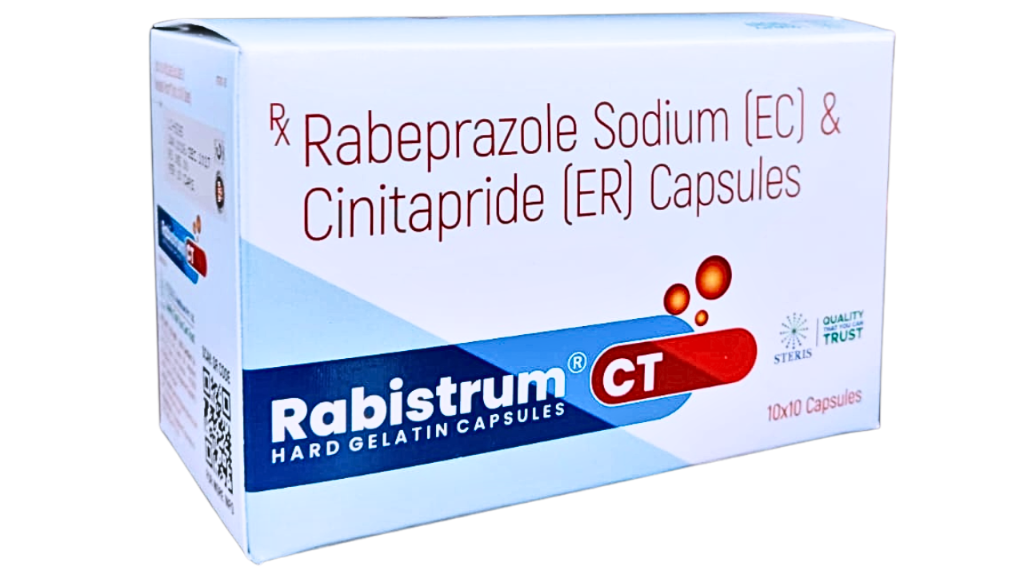
RABISTRUM CT is a clinically effective combination medicine containing Rabeprazole Sodium (Enteric Coated) 20 mg and Cinitapride (Extended Release) 3 mg. This dual-action formulation is designed to provide long-lasting relief from acid-related disorders while improving gastrointestinal motility. By reducing excessive stomach acid and promoting smooth movement of food through the digestive tract, RABISTRUM CT offers comprehensive management of upper gastrointestinal symptoms.
This medicine is commonly prescribed by healthcare professionals across India for patients who experience persistent acidity along with symptoms like bloating, nausea, or a feeling of fullness after meals.
Uses
RABISTRUM CT Capsules are used for the treatment and management of several acid-peptic and motility-related gastrointestinal conditions, including:
Gastroesophageal Reflux Disease (GERD)
Chronic acidity and heartburn
Functional dyspepsia (indigestion)
Delayed gastric emptying
Acid reflux associated with bloating and nausea
Stomach discomfort due to excess acid production
Upper abdominal pain linked to acid-related disorders
The combination of Rabeprazole and Cinitapride makes RABISTRUM CT particularly useful in patients who do not respond adequately to acid-reducing medicines alone.
Benefits
RABISTRUM CT offers multiple therapeutic benefits due to its unique dual mechanism of action:
1. Effective Acid Control
Rabeprazole Sodium is a proton pump inhibitor (PPI) that reduces excess stomach acid by blocking acid-producing enzymes. This helps heal acid-related damage to the stomach and esophagus.
2. Improved Gastric Motility
Cinitapride is a prokinetic agent that enhances gastrointestinal movement, allowing food to pass smoothly through the stomach and intestines. This reduces bloating, nausea, and early satiety.
3. Long-Lasting Symptom Relief
The enteric-coated and extended-release formulation ensures sustained action throughout the day, providing prolonged relief from acidity and discomfort.
4. Better Digestion and Comfort
By addressing both acid secretion and motility issues, RABISTRUM CT improves overall digestive efficiency and post-meal comfort.
5. Improved Quality of Life
Regular use as prescribed can help patients eat better, sleep comfortably, and carry out daily activities without frequent digestive distress.
Dosage
The dosage of RABISTRUM CT should always be determined by a qualified healthcare professional based on the patient’s condition and response to treatment.
Typically, one capsule once daily is prescribed.
It is usually taken before meals, preferably in the morning.
The capsule should be swallowed whole with water and should not be crushed or chewed.
Duration of treatment may vary depending on symptom severity and clinical response.
Patients are advised to follow their doctor’s instructions carefully and avoid self-medication.
Side Effects
RABISTRUM CT is generally well tolerated when used as directed. However, some patients may experience mild and temporary side effects such as:
Headache
Dizziness
Nausea or vomiting
Abdominal discomfort
Diarrhea or constipation
Dry mouth
Mild bloating
These side effects usually resolve on their own as the body adjusts to the medication. If symptoms persist or worsen, medical advice should be sought promptly.
Precautions and Warning
Before starting RABISTRUM CT, certain precautions should be considered to ensure safe and effective use:
Inform your doctor about any existing liver, kidney, or heart conditions.
Use with caution in elderly patients, as they may be more sensitive to gastrointestinal medicines.
Not recommended during pregnancy or breastfeeding unless clearly advised by a healthcare professional.
Avoid alcohol consumption, as it can worsen acidity and reduce treatment effectiveness.
Long-term use should be monitored by a doctor to avoid potential nutrient deficiencies.
Inform your physician about all other medications being taken to prevent possible drug interactions.