
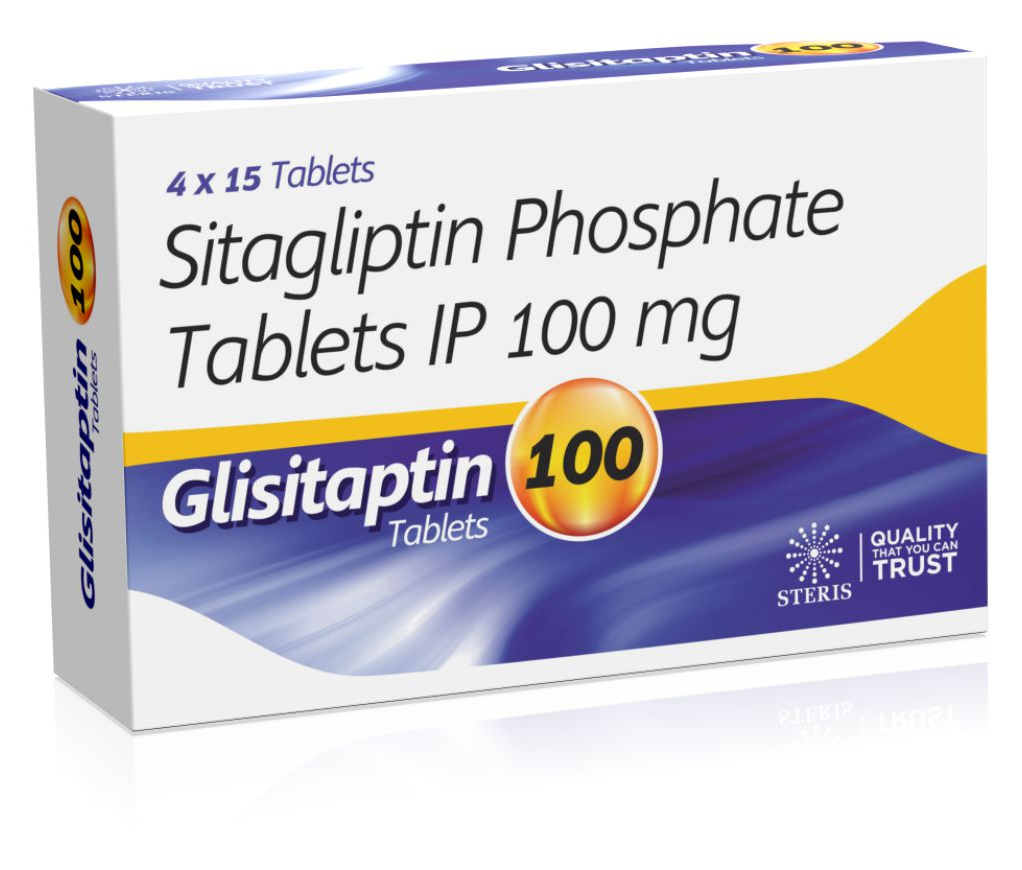
GLISITAPTIN 100 is a prescription oral anti-diabetic medication used for the effective management of Type 2 Diabetes Mellitus. It contains Sitagliptin Phosphate 100 mg, a well-established drug from the class of DPP-4 (dipeptidyl peptidase-4) inhibitors. This medicine works by enhancing the body’s natural ability to regulate blood sugar levels, particularly after meals.
Type 2 diabetes is a chronic metabolic condition marked by insulin resistance and reduced insulin secretion. Over time, uncontrolled blood sugar can lead to serious complications affecting the heart, kidneys, nerves, and eyes. GLISITAPTIN 100 helps manage blood glucose levels by increasing incretin hormone activity, which stimulates insulin release and reduces excess glucose production in the liver.
Designed for once-daily dosing, GLISITAPTIN 100 offers convenience, effectiveness, and a low risk of hypoglycemia when used appropriately. When combined with lifestyle modifications such as a balanced diet, regular exercise, and routine monitoring, it plays a vital role in long-term diabetes management.
Uses
The primary use of GLISITAPTIN 100 is the treatment of Type 2 Diabetes Mellitus in adults who are unable to achieve adequate glycemic control through diet and exercise alone.
Key uses include:
Control of fasting and post-prandial (after meal) blood glucose levels
Reduction of HbA1c levels for long-term blood sugar management
Use as monotherapy or in combination with other anti-diabetic medicines
Support for patients with insulin resistance
Prevention of long-term diabetes-related complications such as neuropathy, nephropathy, and cardiovascular disorders
GLISITAPTIN 100 is not indicated for Type 1 Diabetes Mellitus or for the treatment of diabetic ketoacidosis.
Benefits
GLISITAPTIN 100 offers multiple therapeutic benefits due to its targeted and glucose-dependent mechanism of action:
1. Glucose-Dependent Insulin Release
Sitagliptin enhances insulin secretion only when blood sugar levels are elevated, helping prevent unnecessary insulin release.
2. Effective Blood Sugar Control
The medicine helps regulate both fasting and post-meal blood glucose levels, ensuring stable glycemic control throughout the day.
3. Low Risk of Hypoglycemia
Unlike sulfonylureas, sitagliptin has a lower risk of causing low blood sugar when used alone.
4. Weight-Neutral Therapy
GLISITAPTIN 100 does not typically cause weight gain, making it suitable for overweight or obese patients.
5. Improved Beta-Cell Function
By preserving pancreatic beta-cell activity, sitagliptin supports long-term insulin production.
6. Once-Daily Convenience
A simple once-daily dosing schedule improves patient compliance and long-term treatment adherence.
Dosage
The dosage of GLISITAPTIN 100 should always be prescribed by a qualified healthcare professional based on individual patient needs.
General dosage guidelines include:
Standard dose: 100 mg once daily
Can be taken with or without food
Tablets should be swallowed whole with water
Dose adjustment may be required in patients with renal impairment
Regular blood glucose and HbA1c monitoring is recommended
Patients should not change the dose or stop the medication without consulting their doctor, as this may lead to poor glycemic control.
Side Effects
Like all medicines, GLISITAPTIN 100 may cause side effects, although many patients tolerate it well.
Common side effects include:
Headache
Nasopharyngitis (common cold-like symptoms)
Upper respiratory tract infections
Mild gastrointestinal discomfort
Less common but serious side effects may include:
Pancreatitis
Allergic reactions such as rash, itching, or swelling
Severe joint pain
Hypersensitivity reactions
If patients experience severe abdominal pain, persistent vomiting, or signs of an allergic reaction, they should seek immediate medical attention.
Precautions and Warning
Before using GLISITAPTIN 100, patients should be aware of the following precautions and warnings:
Kidney Function: Dose adjustment may be required in patients with moderate to severe renal impairment
Liver Disease: Use cautiously in patients with liver disorders
Pregnancy and Breastfeeding: Should be used only if clearly prescribed by a healthcare professionalPancreatitis History: Patients with a history of pancreatitis should inform their doctor
Drug Interactions: Inform your physician about all other medicines or supplements being taken
Warnings:
Not suitable for Type 1 diabetes
Not intended for emergency treatment of diabetic ketoacidosis
Discontinue use and seek medical help if symptoms of pancreatitis occur
Conclusion
GLISITAPTIN 100 is a reliable and effective oral anti-diabetic medication formulated with sitagliptin phosphate 100 mg for the management of Type 2 Diabetes Mellitus. Its glucose-dependent mechanism of action ensures efficient blood sugar control while minimizing the risk of hypoglycemia and weight gain.
With benefits such as once-daily dosing, good tolerability, and compatibility with other anti-diabetic therapies, GLISITAPTIN 100 is a preferred choice for long-term diabetes care. When used under proper medical supervision and combined with a healthy lifestyle, it helps patients achieve stable blood glucose levels, reduce HbA1c, and lower the risk of diabetes-related complications.
For individuals seeking an effective, convenient, and well-tolerated solution for managing Type 2 diabetes, GLISITAPTIN 100 represents a trusted and clinically proven option.