
Managing immune responses is critical for patients who undergo organ transplantation or suffer from autoimmune conditions. The body’s natural defense mechanism can sometimes mistakenly attack healthy tissues or reject transplanted organs, leading to severe complications. Effective immunosuppressive therapy is essential to prevent organ rejection, maintain immune balance, and support long-term health.
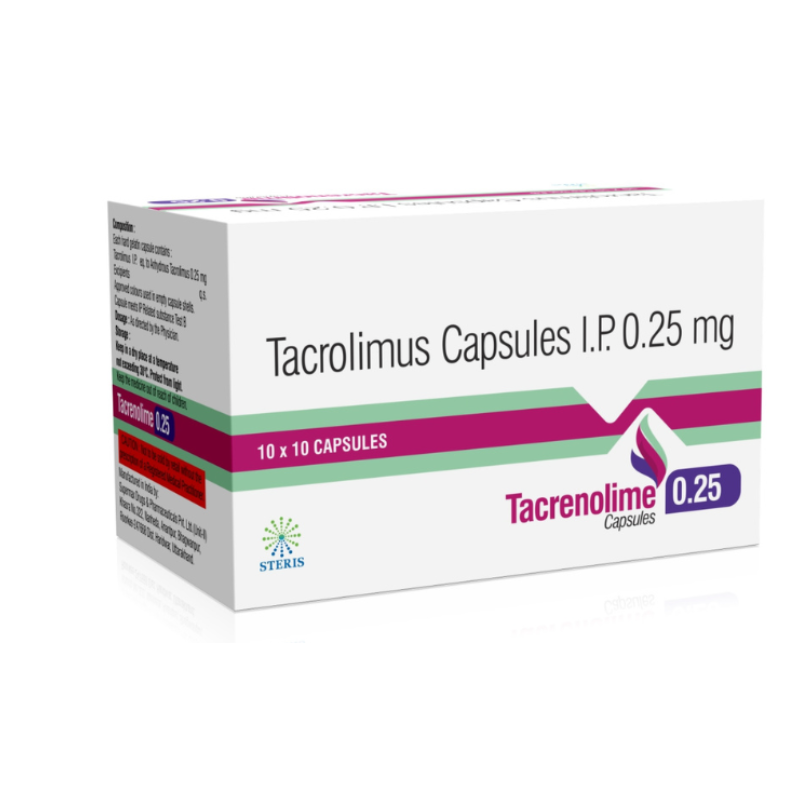
TACRENOLIME 0.25, containing Tacrolimus 0.25 mg, is a potent immunosuppressant widely prescribed for preventing organ rejection after kidney, liver, or heart transplantation. Tacrolimus selectively inhibits the immune system’s overactive response, helping the body accept transplanted organs while reducing the risk of autoimmune flare-ups. With precise dosing and proven efficacy, TACRENOLIME 0.25 has become a trusted solution in transplant medicine and immunomodulatory therapy.
Uses
TACRENOLIME 0.25 Tacrolimus 0.25 mg is prescribed for several important medical conditions:
Prevention of organ rejection following kidney, liver, or heart transplantation
Treatment of certain autoimmune disorders where the immune system attacks healthy tissues
Management of inflammatory skin conditions such as severe eczema (off-label use in specific cases)
Adjunct therapy in combination with corticosteroids or other immunosuppressants for better transplant outcomes
Its primary role is to maintain the delicate balance between suppressing harmful immune activity while preserving necessary immune defense.
Benefits
1. Prevents Organ Rejection
Tacrolimus inhibits immune cells responsible for attacking transplanted organs, reducing the risk of acute or chronic organ rejection.
2. Supports Long-Term Transplant Success
By maintaining immune tolerance, TACRENOLIME 0.25 enhances graft survival rates and improves patient outcomes.
3. Reduces Need for High-Dose Steroids
Tacrolimus allows for lower doses of corticosteroids, minimizing steroid-related side effects such as weight gain, diabetes, and bone loss.
4. Improves Autoimmune Control
For patients with autoimmune conditions, Tacrolimus helps reduce tissue inflammation and prevent disease flare-ups.
5. Clinically Proven Efficacy
Tacrolimus has decades of clinical use and is a standard component in modern immunosuppressive regimens.
6. Convenient Low-Dose Option
The 0.25 mg formulation allows precise dose adjustments for patients, reducing the risk of over-suppression and adverse effects.
7. Enhances Overall Quality of Life
By effectively preventing rejection and controlling immune-related complications, patients can lead more stable and active lives post-transplant.
Dosage
The dosage of TACRENOLIME 0.25 should always be individualized by a healthcare professional, as it depends on:
The type of organ transplanted kidney, liver, heart
Patient weight and age
Concomitant medications and liver/kidney function
Immune response and transplant status
General guidelines include:
Typical starting dose: individualized by a transplant physician
Administration: taken orally, usually twice daily, at consistent timesMonitoring: blood levels of Tacrolimus are regularly checked to ensure therapeutic efficacy and safety
Patients must not adjust the dose without consulting their doctor, as under- or over-dosing can lead to organ rejection or toxicity.
Side Effects
TACRENOLIME 0.25 is generally well tolerated when used under supervision. However, some patients may experience mild to moderate side effects:
Common Side Effects
Headache
Tremors or shakiness
Mild gastrointestinal disturbances such as nausea or diarrhea
Increased susceptibility to minor infections
Serious Side Effects
Kidney dysfunction (monitoring required)
High blood pressure
Elevated blood sugar levels
Neurotoxicity (rare, may include confusion or seizures)
Severe infections due to immunosuppression
Patients should immediately report any unusual symptoms such as persistent fever, jaundice, reduced urine output, or neurological changes to their healthcare provider.
Precautions and Warning
Before using TACRENOLIME 0.25, it is essential to consider the following precautions:
Inform your doctor about kidney or liver problems, diabetes, high blood pressure, or previous infections
Avoid grapefruit or grapefruit juice, which can interfere with Tacrolimus metabolism
Patients must follow strict hygiene practices to reduce infection risk due to immunosuppression
Pregnant and breastfeeding women should only use Tacrolimus if prescribed by a specialist
Regular monitoring of blood pressure, kidney function, liver function, and blood sugar is required
Do not discontinue or adjust dosage without medical supervision
Keep the medication in a cool, dry place away from sunlight and out of reach of children
Proper adherence and medical follow-up are critical to ensure the safety and effectiveness of TACRENOLIME 0.25 therapy.
Conclusion
TACRENOLIME 0.25 Tacrolimus 0.25 mg is a highly effective immunosuppressant that plays a vital role in preventing organ rejection and controlling autoimmune responses. By selectively modulating immune activity, it helps protect transplanted organs, supports long-term graft survival, and reduces the need for high-dose corticosteroids.
With its precise low-dose formulation, TACRENOLIME 0.25 allows healthcare providers to customize therapy for individual patient needs, minimizing side effects while ensuring effective immunosuppression.
For patients undergoing organ transplantation or those managing autoimmune conditions, TACRENOLIME 0.25 offers a clinically proven, safe, and reliable solution to maintain immune balance, improve treatment outcomes, and enhance quality of life.